Anthropic Engineer Debates Markdown Versus HTML for Agents
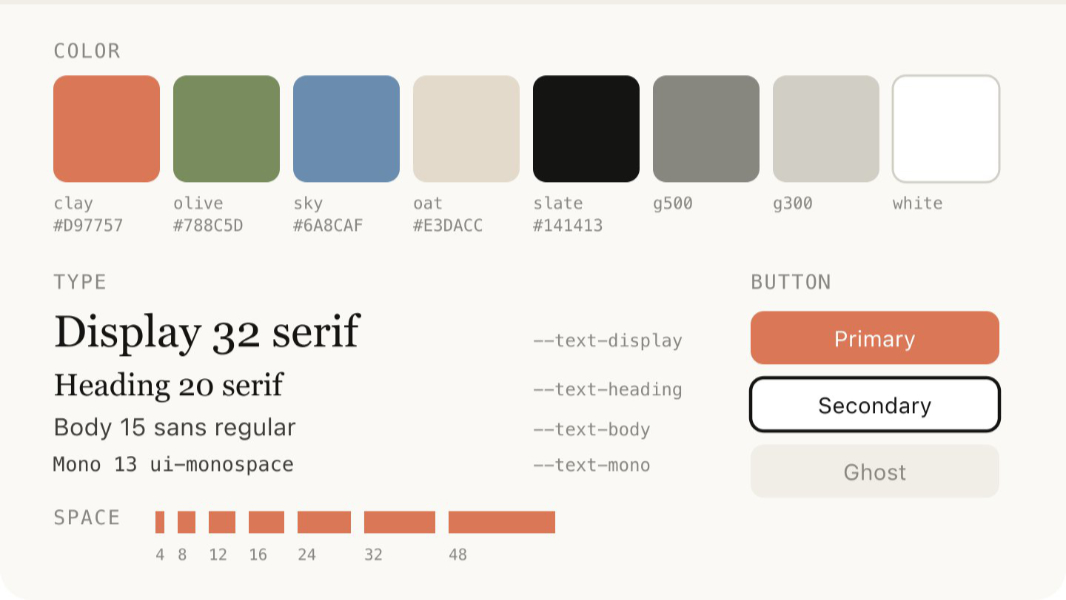
UXHack Mixology reports that a recent discussion, sparked by posts on X by Thariq Shihipar and commentary from developers such as Simon Willison, argues for returning from Markdown to HTML for AI agent output. UXHack's newsletter frames the case as Claude/Anthropic-related debate, noting advocates emphasize HTML's ability to produce richer rendered artifacts - color-coded diffs, tabs, inline SVGs and compact mini-dashboards - while critics point to higher token costs and version-control friction. The piece frames the trade-off as one between information design and token efficiency rather than a settled technical choice. UXHack cites social posts and weblog commentary as the basis for the discussion.
What happened
UXHack Mixology reports that social discussion, notably posts on X by Thariq Shihipar and commentary from Simon Willison, has pushed a debate about using HTML instead of Markdown for AI agent outputs. Per UXHack, proponents argue that Claude/Anthopic-adjacent agent workflows benefit from rendered HTML features such as color-coded diffs, tabs for alternate flows, and inline SVG diagrams, enabling denser visual summaries compared with long Markdown files. UXHack also reports critics raising concerns about higher token costs and version-control complexity.
Editorial analysis - technical context
Companies and teams producing agent-driven outputs face trade-offs between lightweight text formats and richer rendered interfaces. Markdown offers portability, low token usage, and simple diffs. HTML provides finer visual affordances and layout control but increases serialization size, raises sanitization and security considerations, and requires rendering stacks across clients. Libraries and rendering stacks (editor components, sanitizers, diff viewers) determine the practical overhead of choosing one format over the other.
Industry context
Observed patterns in similar transitions: when practitioners need richer previews or review UIs, adoption moves toward structured formats that support metadata and layout. Those moves typically surface engineering work: renderer parity across platforms, content sanitization, canonical diffs for code review, and integration points for design systems and accessibility.
What to watch
- •Adoption signals from major models, UI toolkits, or platform APIs adding first-class HTML rendering or structured-output modes.
- •Emerging tooling for safe HTML serialization, compact binary formats, or layerable markup that balance tokens and renderability.
- •Discussions around standardizing agent output schemas for interop between models, editors, and CI systems.
Key Points
- 1Debate centers on trade-off: HTML gives richer visual previews, while Markdown remains token-efficient and portable.
- 2Industry moves to richer agent UIs typically require renderer parity, sanitization, and tooling to manage larger structured outputs.
- 3Practitioners will watch platform-level support and tooling for safe, compact structured outputs before shifting defaults.
Scoring Rationale
The story highlights a practical UX and engineering trade-off affecting agent output formats, relevant to practitioners building review UIs and agent workflows. It is not a research breakthrough or platform change, so its impact is moderate.
Sources
Public references used for this report.
Practice interview problems based on real data
1,625 SQL & Python problems across 15 industry datasets — the exact type of data you work with.
Try 250 free problems