Army Partners with Private Firms to Build Data Centers
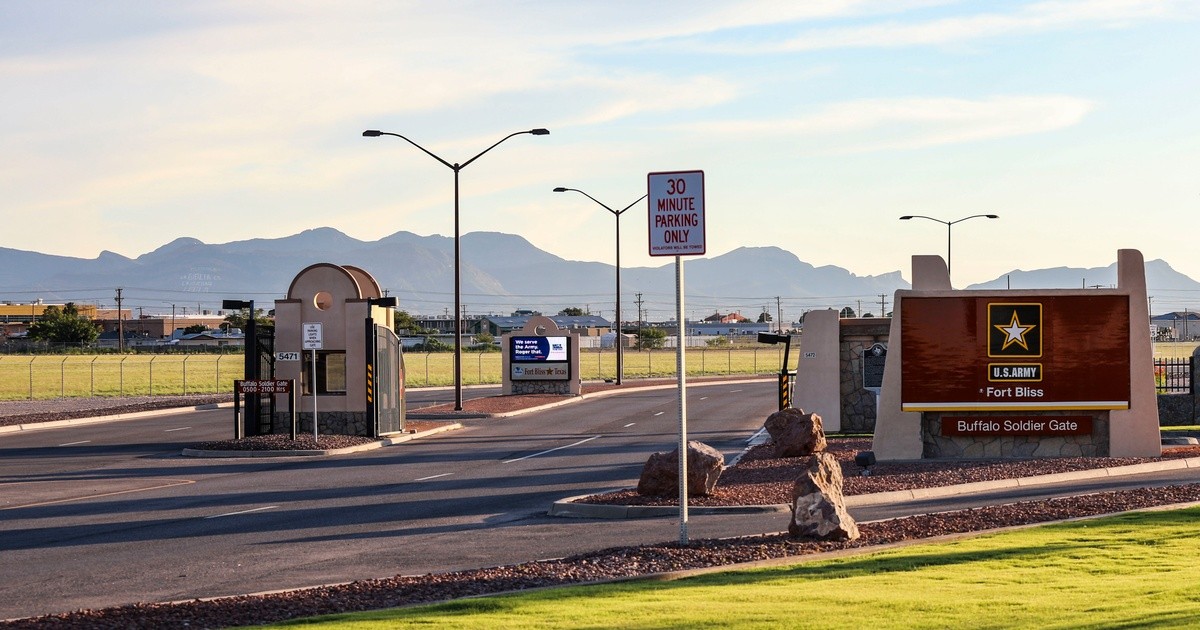
Truthout reports that in late March 2026 the U.S. Army selected companies to build and operate two hyperscaled data centers, one at Fort Bliss, Texas, and one at Dugway Proving Ground, Utah. An Army spokesperson told Truthout the service has entered an "exclusive negotiation period" with the developers to settle "specific lease economics" for what the spokesperson described as "long term, 50-year" leases. The spokesperson said the Army will accept "in-kind consideration," receiving services or improvements in lieu of cash rent, and confirmed the sites "are indeed commercial data centers" that will be allowed to sell excess capacity. Truthout frames the buildout as occurring alongside the Pentagon's increased adoption of AI, which is driving rising demand for computation.
Technical details
Editorial analysis - technical context
The Truthout piece does not list the developer names, specific hardware, or on-premises architectures. Public reporting of similar hyperscale projects typically centers on investor-backed, commercially operated facilities that provision dense GPU clusters and bespoke networking for high-throughput AI workloads. For practitioners, the most relevant technical unknowns are compute density (GPUs per rack), cooling and power arrangements, connectivity to classified networks, and whether the facilities will offer dedicated secure enclaves versus colocated commercial capacity.
Context and significance
Truthout frames the deals as part of two converging trends: heavy Wall Street financing of data centers and the U.S. military's growing use of AI. Public-works leases that exchange long-term facility access or capability for in-kind services can broaden available compute for defense applications while also creating commercial supply in the same sites. For the broader compute market, partnerships that free military demand into privately financed builds can affect capacity planning, regional colocation prices, and the pool of commercially available AI compute capacity.
What to watch
Editorial analysis
Observers should track which developers and financiers are announced, the contractual perimeter for classified versus unclassified workloads, and any future disclosures about installed GPU/accelerator types and networking. Also monitor whether lease terms, when finalized, include guaranteed dedicated compute allocations, facility-level air-gap provisions, or resale restrictions on commercial capacity. These details determine how useful the facilities will be for large-scale model training, inference at the edge, or classified experimentation.
Reporting limitations
What happened
Truthout reports that in late March 2026 the U.S. Army selected private companies to build and operate two hyperscaled data centers, sited at Fort Bliss, Texas, and Dugway Proving Ground, Utah. According to an Army spokesperson quoted by Truthout, the Army has entered an "exclusive negotiation period" with the companies to negotiate "specific lease economics" and the proposed leases are "long term, 50-year" arrangements. The spokesperson told Truthout that the Army will accept "in-kind consideration," meaning it will receive services or improvements in lieu of cash rent, and confirmed the projects "are indeed commercial data centers" that may sell surplus computing capacity commercially.
Truthout is the sole published source in this packet and the Army spokesperson quoted by Truthout provided the key details cited above. The developer identities, exact financing partners, and specific technical specifications were not disclosed in the Truthout article.
Key Points
- 1The U.S. Army has negotiated private builds for two hyperscale data centers at Fort Bliss and Dugway, reported as subject to "long term, 50-year" leases.
- 2The Army plans to accept "in-kind consideration" rather than cash rent, per an Army spokesperson quoted by Truthout, allowing the developer to recoup investment commercially.
- 3Industry observers should watch announced developers, compute allocations, and security boundaries, since those details determine the utility for large-scale AI workloads.
Scoring Rationale
This story is notable for AI practitioners because it concerns new hyperscale capacity tied to defense demand, which can influence regional compute availability and commercial capacity. Missing technical and vendor details limit immediate operational impact, keeping the score in the mid range.
Practice interview problems based on real data
1,625 SQL & Python problems across 15 industry datasets — the exact type of data you work with.
Try 250 free problems