AI chatbots reshape dating app interactions
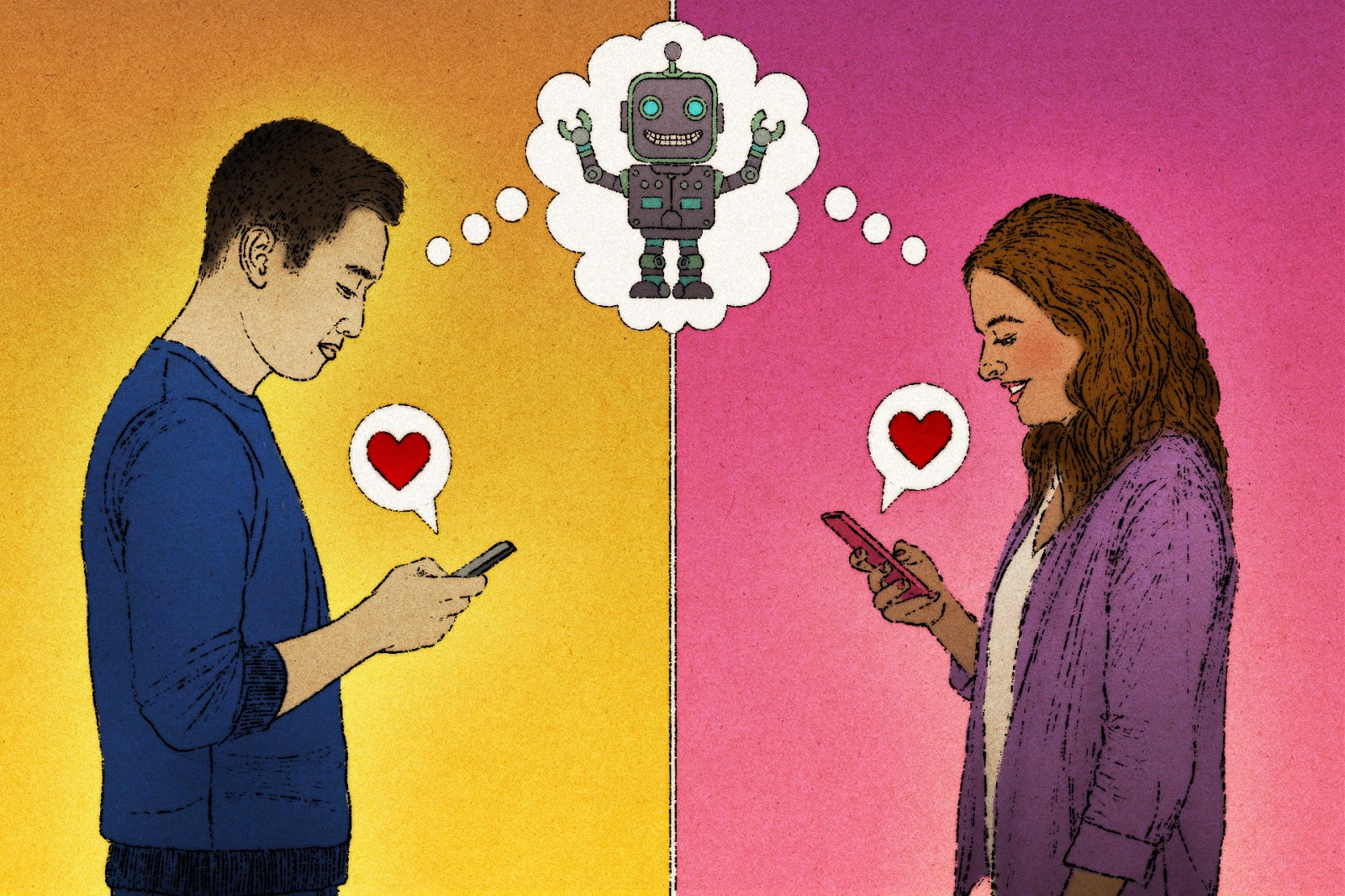
Reporting by the Associated Press traces a growing use of AI chatbots in online dating. AP profiles Marie Lansley, who told the reporter she consults ChatGPT and Claude to draft opening messages and interpret replies, saying "AI is great at making dating more efficient. But the chemistry, that's always going to be analog." AP reporting notes users also turn to Grok and Gemini, and that some dating apps and AI companies promote chatbot-driven, personality-laden advice on TikTok. Dating coach Carey Gaynes is quoted calling "Claude is the new Cyrano," warning users that they may be "using a voice that isn't yours." The article documents usage patterns and public reactions rather than company roadmaps or regulatory moves.
Editorial analysis - technical context
Industry-pattern observations: consumers are applying general-purpose conversational models to social tasks that require nuance in tone, context, and consent. Large conversational models such as ChatGPT, Claude, Grok, and Gemini excel at producing fluent, context-aware text and can be instructed to mimic specific tones or personalities. That capability makes them convenient tools for drafting opening lines, rewriting bios, or suggesting replies on short-turn platforms like dating apps. From a practitioner perspective, core technical affordances at play are controllable tone, prompt engineering for persona, and model sampling/temperature settings that influence creativity versus safety.
Industry context
Industry observers note several recurring tensions when consumer chatbots enter interpersonal spaces. First, authenticity and consent: third-party messaging written by an AI raises questions about how much interlocutors understand about authorship. Second, moderation and safety: platforms face new moderation vectors when AI-written messages may facilitate harassment, impersonation, or coordinated deception. Third, privacy and data exposure: using chatbots to rephrase private conversations can surface sensitive data to model providers or intermediaries. These are generic patterns drawn from recent coverage of AI-driven consumer features and are not claims about any particular company's internal policies.
What to watch
Industry-pattern observations: practitioners and observers will likely track a small set of indicators over the next months.
- •Whether major dating platforms update terms of service or add explicit UX affordances that label AI-assisted messages.
- •Changes in moderation tooling to detect synthetic or AI-assisted messaging and mitigate misuse.
- •Product marketing moves by model providers and app developers, including more TikTok-style how-to content or integrated in-app composition features.
Practical takeaways for practitioners
Industry-pattern observations: designers and ML engineers working on consumer messaging features should consider signals and controls for provenance, user consent, and moderation. Solutions commonly discussed in the field include in-app labels for AI-assisted text, rate limits to prevent mass messaging, and client-side prompt tooling that avoids sending raw private text to third-party APIs. These are general mitigation approaches observed across analogous consumer AI deployments and do not presuppose any action by the companies discussed in the AP reporting.
Limitations of the reporting
What happened
Reporting by the Associated Press, republished by the San Francisco Chronicle and SFGATE, documents increasing use of AI chatbots in online dating. The piece profiles Marie Lansley, who told AP she consults ChatGPT and Claude for help starting conversations on dating apps and for interpreting messages. Lansley is quoted: "I am open to AI finding me the love of my life, but I'm also not fully convinced that it can," and added, "AI is great at making dating more efficient. But the chemistry, that's always going to be analog." AP also reports that users make use of Grok and Gemini and that dating apps and AI companies have posted content on TikTok showcasing chatbot-generated, personality-laden relationship advice. The article includes a quoted dating coach, Carey Gaynes: "Claude is the new Cyrano," and Gaynes warns, "You're using a voice that isn't yours."
the AP article collects user anecdotes, coach commentary, and observed promotional content; it does not publish company roadmaps, internal policy documents, or regulatory filings. The reporting therefore documents usage trends and public reaction rather than company intentions or specific technical integrations.
Key Points
- 1Users increasingly use chatbots to draft messages and interpret replies, improving efficiency but raising authenticity concerns.
- 2Industry observers flag moderation, privacy, and consent as recurring issues when models write interpersonal messages.
- 3Product teams should watch for platform labels, moderation tooling, and in-app composition features as likely next moves.
Scoring Rationale
The story documents a visible consumer application of large language models with practical UX, moderation, and privacy implications for ML practitioners. It is societally interesting but not a frontier technical advance, so it scores as a mid-level industry application.
Sources
Public references used for this report.
Practice interview problems based on real data
1,625 SQL & Python problems across 15 industry datasets — the exact type of data you work with.
Try 250 free problems