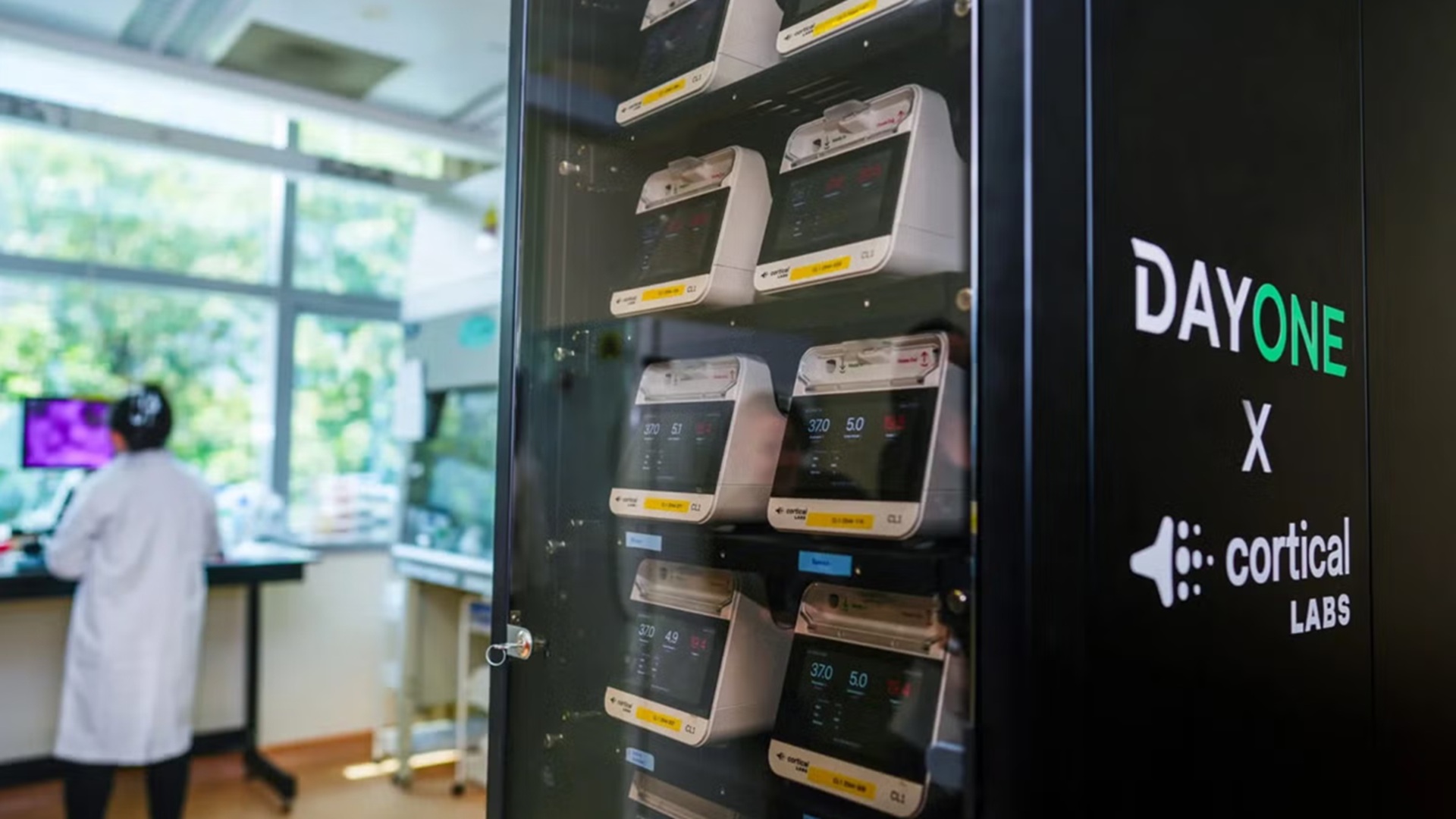
1Password Integrates With Snowflake for Agent Governance
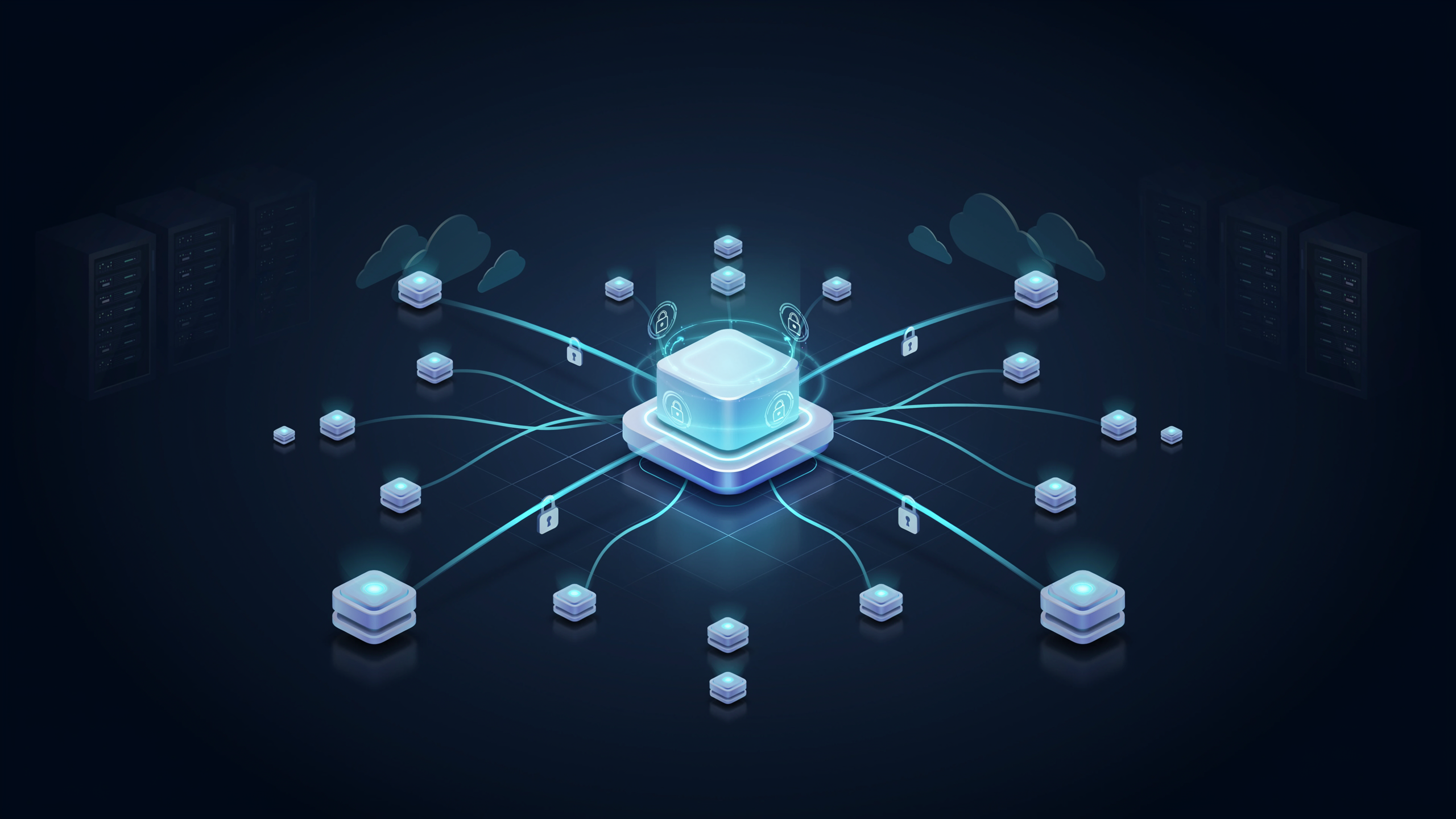
1Password joined Snowflake's Cortex AI Gateway integrations on July 28 to help enterprises govern third-party AI agents accessing business systems. The 1Password announcement describes support for securely connecting, governing, and auditing agents across platforms, while Snowflake's gateway centralizes agent access policies, authentication, permissions, activity logs, and token-cost tracking.
1Password joined Snowflake's new Cortex AI Gateway integration ecosystem on July 28, targeting identity and access risks created when third-party AI agents connect to enterprise systems. The 1Password announcement describes the integration as a way for enterprises to securely connect, govern, and audit agents across business platforms.
Snowflake introduced Cortex AI Gateway as a centralized layer for connecting, governing, and monitoring AI agents that access models, tools, Model Context Protocol (MCP) servers, and internal systems, according to SiliconANGLE. VentureBeat reports that the initial security integrations include 1Password and other security vendors.
A control layer for cross-platform agents
According to SiliconANGLE, the gateway supports Snowflake-built agents, including CoWork and CoCo, as well as third-party agents developed on platforms such as Claude Code and Cursor. It supports more than 100 MCP servers and centralizes policies, authentication, and permissions for access to models, data, applications, and tools.
Snowflake's Mayank Upadhyay, chief security and trust officer, told VentureBeat that conventional enterprise security models assumed human actors operating at human speed. He said autonomous agents can combine access across systems and exercise permissions that were not originally intended to be used together.
The gateway also records agent activity end to end, including the agent, tools, systems, and sequence of actions involved, SiliconANGLE reports. It tracks token consumption by model, team, and workload, attributes costs to agents, and offers spending-limit controls. SiliconANGLE reports that the gateway builds on Snowflake's acquisition of Natoma Labs, an MCP-governance startup.
Identity governance enters agent workflows
The 1Password integration places a credential and identity-security vendor in Snowflake's broader agent-governance layer. The reported scope is focused on third-party agent connectivity, governance, and auditability rather than on a newly disclosed model or agent framework.
For ML platform and security teams, the announcement reflects a broader enterprise pattern: once agents invoke tools across multiple systems, access controls need to cover nonhuman identities, delegated permissions, and action-level audit trails. MCP expands interoperability between models and tools, but its use can also concentrate risk where an agent's credentials, tool permissions, and external connections are not centrally visible.
Snowflake framed the gateway as an alternative to closed agent ecosystems. In a statement reported by SiliconANGLE, Upadhyay said, "Enterprise AI is moving from data interoperability to agent interoperability, and security has to be at the center of that shift."
Key Points
- 11Password joined Snowflake's Cortex AI Gateway ecosystem, extending governance and audit coverage to third-party agents accessing enterprise systems.
- 2Snowflake centralizes policies, authentication, activity logging, and token-cost monitoring for agents using models, tools, applications, and MCP servers.
- 3Comparable enterprise agent deployments increasingly require nonhuman identity controls and action-level audit trails across tool and data boundaries.
Scoring Rationale
The integration addresses a growing security concern for enterprise teams deploying agents across data, tool, and identity boundaries. It is a notable governance-platform development, though it is not a new model, protocol, or broadly quantified security incident.
Sources
Public references used for this report.
Practice interview problems based on real data
1,625 SQL & Python problems across 15 industry datasets — the exact type of data you work with.
Try 250 free problems