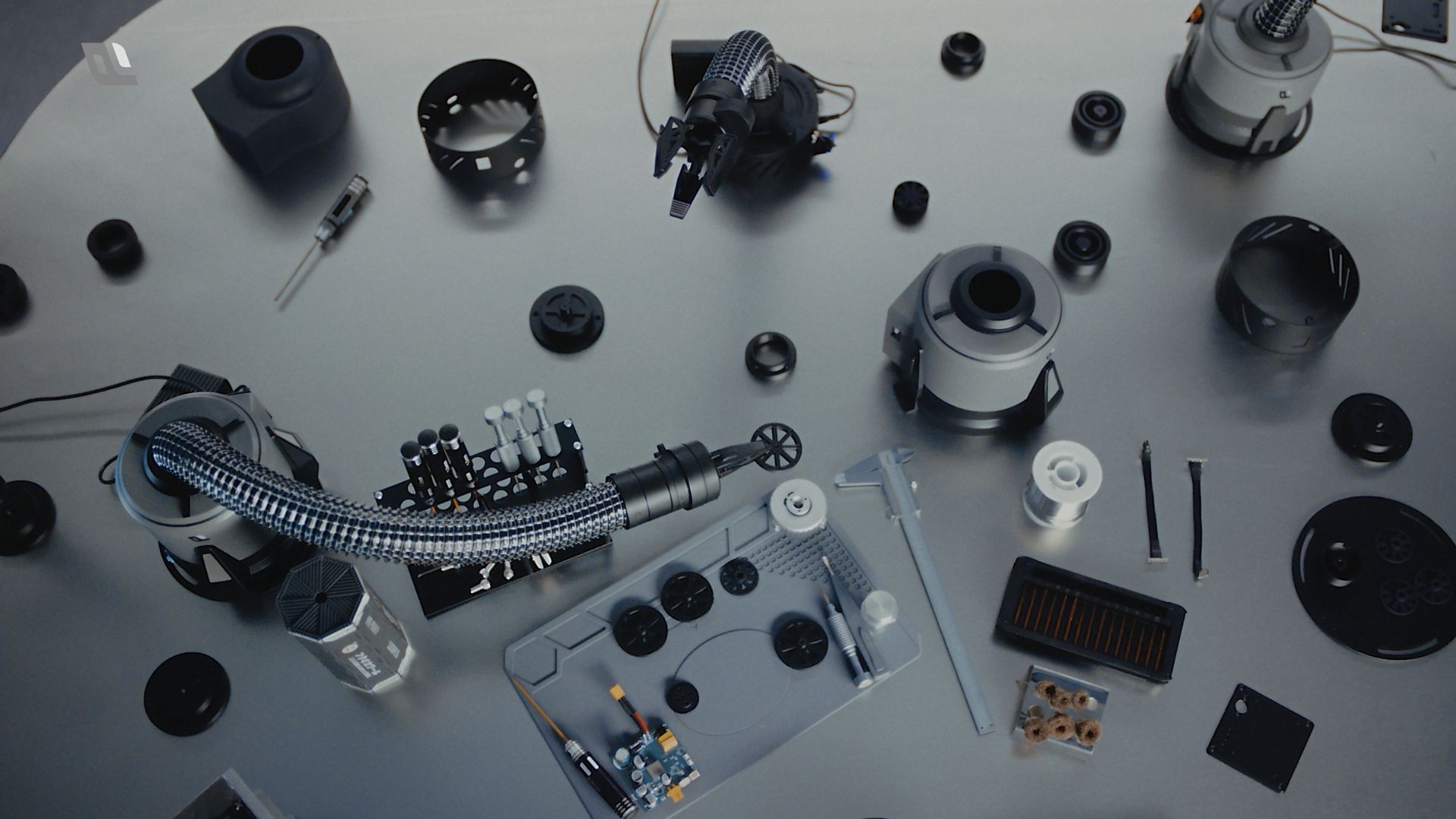
Wearable Devices Restore Users' Body Agency

Published March 31, 2026, the article profiles designers, researchers, and companies developing wearable assistive devices that restore body agency. It details examples such as Sole 1's Nitinol-actuated sock, Open Bionics' sub-300g Hero ARM, Augmental's MouthPad, OnCue keyboard, and University of Tokyo's Syrinx voice brace. These projects emphasize discreet, body-centric interfaces that translate remaining motor signals into movement and communication.
Key Points
- 1Showcases Sole 1 sock using Nitinol actuators and sensors to silently correct foot-drop during gait
- 2Highlights Syrinx and MouthPad personalizing voice and tongue interfaces to restore natural communication
- 3Implies designers should prioritize body-centric, discreet interfaces for higher adoption and daily usability
Scoring Rationale
Timely overview of credible, real-world assistive projects from companies and a university team; scores well for scope and credibility but offers limited technical depth, keeping the score in the 'notable' range.
Practice interview problems based on real data
1,625 SQL & Python problems across 15 industry datasets — the exact type of data you work with.
Try 250 free problems