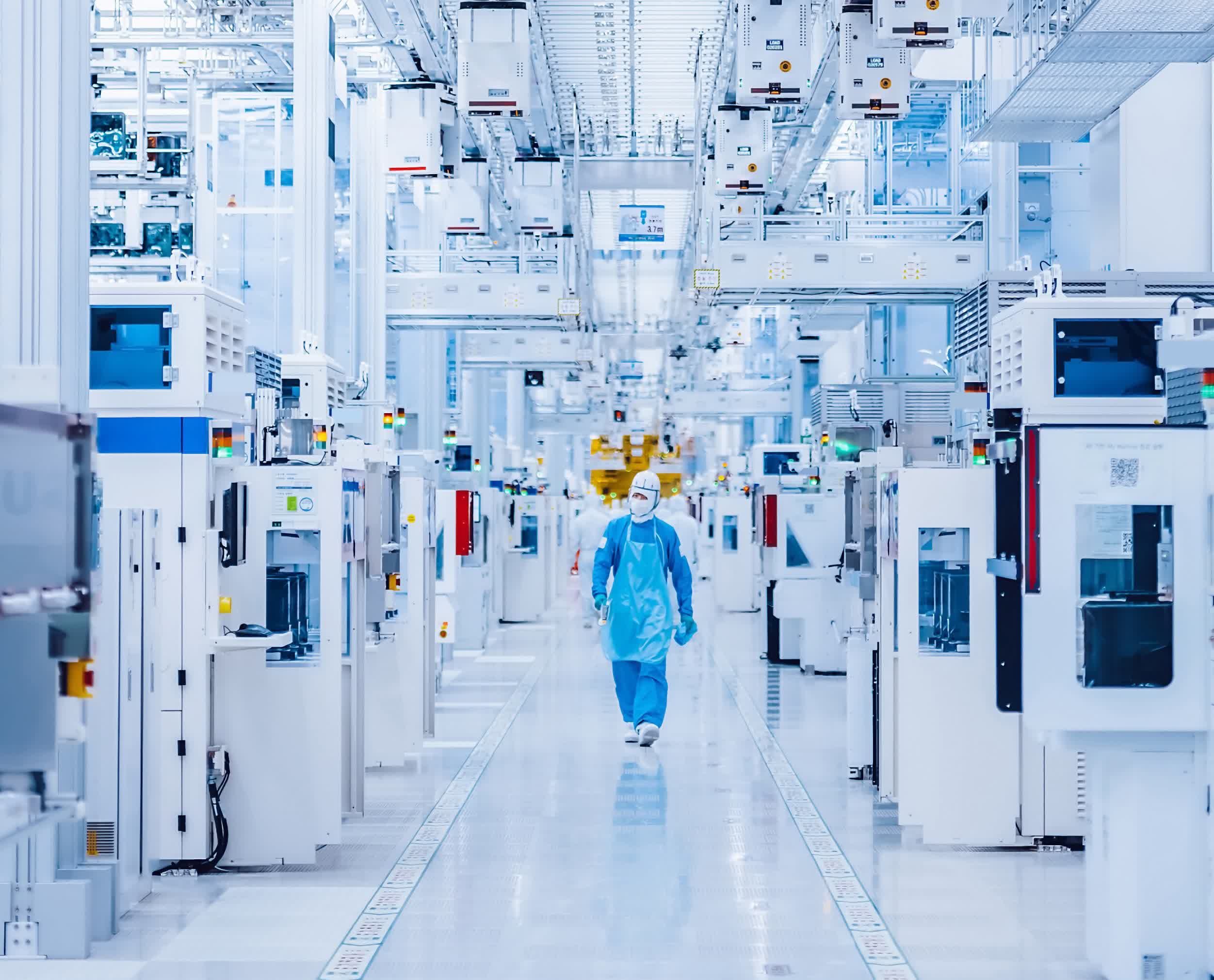
Washington AI Honors spotlights elites as public soured on data centers
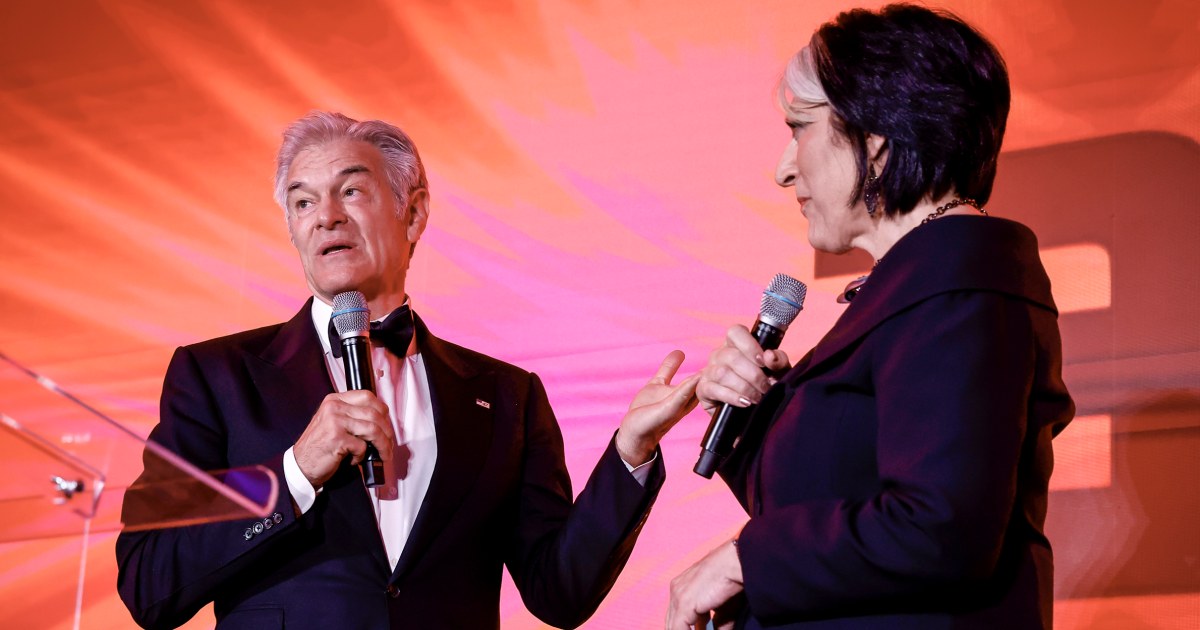
NBC News reports that the Washington AI Network's second-annual Washington AI Honors gala, held June 3, 2026 at the Waldorf Astoria, gathered political and tech elites even as the group's own new polling, conducted with Morning Consult, found AI lost every head-to-head trust matchup against other American institutions. Energy Secretary Chris Wright told NBC News that AI is "a transformative technology," while the same survey found 70% of roughly 1,500 Americans surveyed are concerned about AI's impact on the 2026 elections. Awardee Kevin O'Leary, who is building a contested Utah data center, told NBC News the AI industry is "behind the eight ball" on public messaging. The event was sponsored by Anthropic, Microsoft, and Meta.
The gala's own commissioned data is more newsworthy than the party: Washington AI Network's new poll, conducted with Morning Consult, found AI lost every head-to-head trust matchup against other American institutions, including Congress, a concrete signal for anyone responsible for AI product messaging or policy engagement, released the same night industry sponsors celebrated the technology's progress.
What happened
NBC News reports that the second-annual Washington AI Honors black-tie gala, organized by the Washington AI Network and sponsored by Anthropic, Microsoft, and Meta, brought billionaires, elected officials, industry insiders, lobbyists, and administration figures to the Waldorf Astoria in Washington, D.C. on June 3, 2026. Energy Secretary Chris Wright told NBC News, "AI is a transformative technology that's going to enable so many advancements, from healthcare to engineering to energy production to security," adding he understood public concerns but expected outcomes to be "overwhelmingly positive." The gala honored investor Kevin O'Leary, Omidyar Network CEO Michele Jawando, Sens. Mike Rounds and Mark Warner, Nvidia co-founder Chris Malachowsky, UC Berkeley's Katherine Yelich, and Maj. Gen. Patrick Ellis.
Industry context
NBC News reports that new polling commissioned by the Washington AI Network with Morning Consult found AI lost every head-to-head trust matchup against other American institutions, and that 70% of the roughly 1,500 U.S. adults surveyed are concerned about AI's impact on the 2026 elections, including deepfakes and AI-targeted campaign ads. That follows an earlier NBC News poll finding a majority of Americans think AI's risks outweigh its benefits, ranking only the Democratic Party and Iran less favorably than AI.
For practitioners
For teams responsible for AI product messaging, policy engagement, or community relations around infrastructure buildouts, the trust data is a concrete signal. O'Leary, who is developing a large, locally contested data center in Utah, told NBC News, "I feel as an industry we're behind the eight ball on messaging." Distinct friction points are emerging: data-center pushback centers on land use, power demand, and electricity rates, while chatbot-related concern centers on misinformation and labor-market disruption, separate constituencies that likely need separate messaging rather than one generic optimism narrative.
What to watch
Watch for the next Washington AI Network/Morning Consult trust-polling wave, state and local data-center permitting fights (O'Leary's Utah project is a live test case), and whether industry messaging shifts from broad optimism toward addressing the specific concerns, data-center energy and rate impacts, and election-related deepfakes and ad targeting, this poll identifies.
Key Points
- 1Washington AI Network's own new poll found AI lost every head-to-head trust matchup against U.S. institutions like Congress.
- 270% of about 1,500 Americans surveyed are concerned about AI's impact on the 2026 elections, per the same commissioned poll.
- 3Data-center pushback and chatbot-related distrust are distinct concerns, suggesting practitioners need separate messaging for each audience.
Scoring Rationale
New commissioned polling shows AI trailing every other American institution on trust and majority election-related concern, a concrete, corroborated public-opinion data point with direct relevance to AI policy engagement and messaging, slightly above a routine industry-event writeup.
Sources
Public references used for this report.
Practice interview problems based on real data
1,625 SQL & Python problems across 15 industry datasets — the exact type of data you work with.
Try 250 free problems