Samsung and Broadcom Sign $200 Billion AI Chip MOU
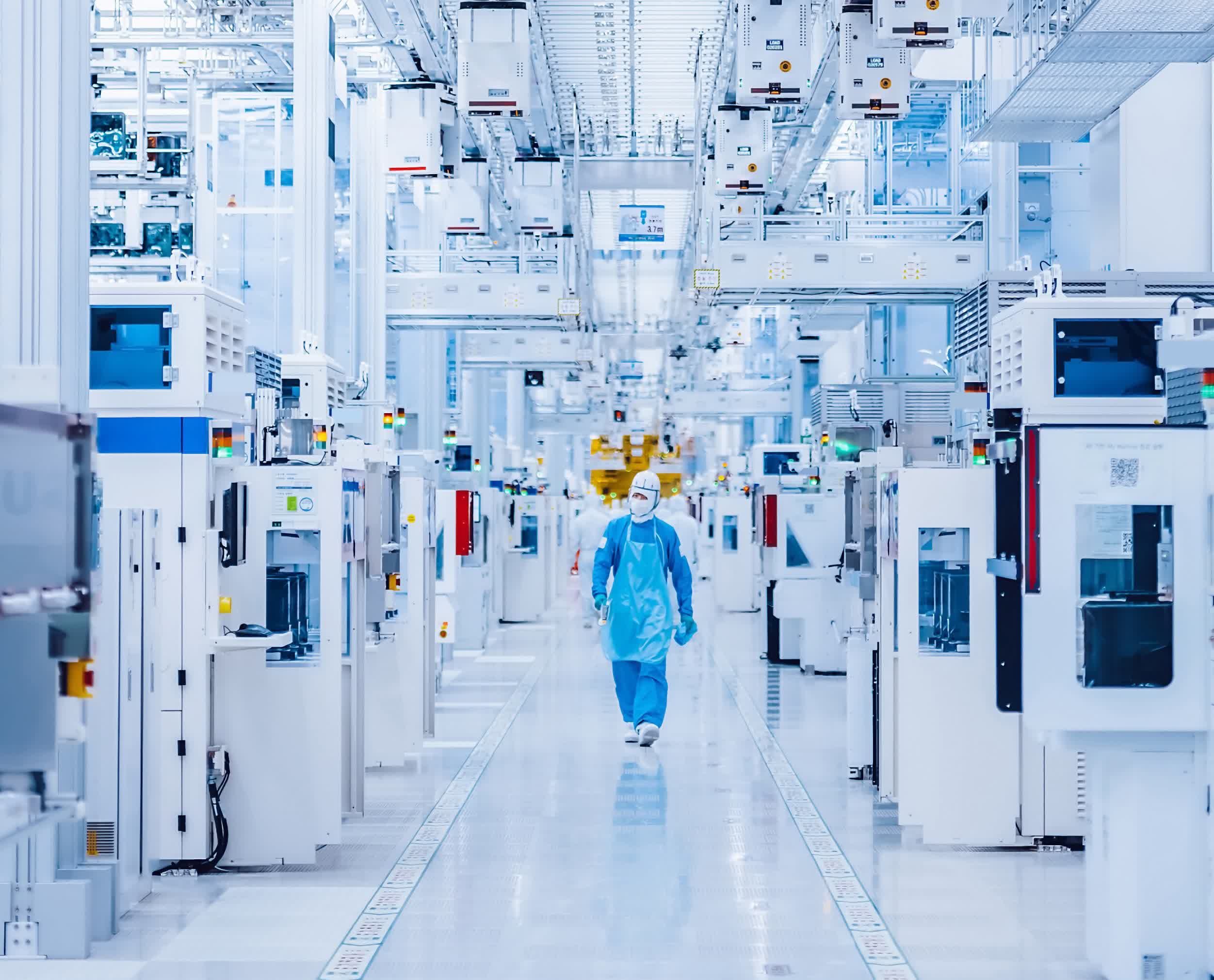
Samsung Electronics and Broadcom signed a memorandum of understanding on July 25 to expand collaboration across high-bandwidth memory, foundry manufacturing and advanced packaging. The companies estimate the planned activity at more than $200 billion over five years through 2030. The announcement is an MOU, not a disclosed binding $200 billion purchase contract, and it provides no volumes or delivery milestones.
Samsung Electronics and Broadcom announced on July 25 that they signed a memorandum of understanding to expand work across memory, foundry manufacturing and advanced packaging for AI infrastructure. The companies estimate the planned collaboration at more than $200 billion over five years through 2030.
That number needs careful framing. Samsung's announcement calls the document an MOU and says the companies "expect" the collaboration to reach that scale. South Korea's official policy briefing also describes it as a memorandum covering advanced-memory supply and foundry cooperation. The public materials do not disclose a binding $200 billion purchase obligation.
What the MOU covers
Samsung and Broadcom plan to pursue high-bandwidth memory supply for Broadcom's next-generation AI accelerators. On the foundry side, the companies say they will work on Broadcom products using Samsung's 2-nanometer and below processes, including wireless-broadband communications chips.
The announcement also covers advanced packaging. Samsung names 2.3D and 2.5D integration built around its 2-nanometer process, but it does not publish product specifications, performance targets or a delivery roadmap for those packages.
Reuters reports that the arrangement could strengthen utilization at Samsung's advanced foundry facilities as it competes for custom AI-chip work. That is an industry implication, not a disclosed production guarantee.
Why the integration matters
AI accelerators increasingly depend on coordinated choices across compute dies, high-bandwidth memory, packaging and high-speed networking. Bringing those pieces into one supplier relationship can reduce interface and qualification work, although the announcement does not say which Broadcom accelerators will use each Samsung technology.
For hardware teams, the practical signal is the scope: the companies are discussing memory and logic manufacturing together rather than as isolated purchases. LDS interpretation: that can make package-level bandwidth, power and thermal constraints part of the supplier agreement earlier in a product cycle. The MOU does not provide enough detail to evaluate the resulting performance or economics.
What remains undisclosed
Samsung and Broadcom did not publish chip volumes, pricing, capacity reservations, payment terms, customer commitments or annual milestones. They also did not say when the first products under the expanded collaboration will enter production.
The $200 billion figure therefore should not be read as recognized revenue, committed capital spending or a completed order. It is the companies' estimate for collaboration across memory and foundry through 2030. Future product announcements, supply agreements or financial disclosures would be needed to show how much of that estimate becomes contracted business.
Key Points
- 1Samsung and Broadcom signed an MOU covering HBM, 2-nanometer-and-below foundry work and advanced packaging for AI infrastructure.
- 2The companies estimate collaboration above $200 billion through 2030, but disclosed no binding purchase amount, volumes or delivery milestones.
- 3The technical scope connects accelerator design, memory, logic manufacturing and packaging, while product-level specifications remain unpublished.
Scoring Rationale
The MOU has unusually large stated scope and links a major custom-chip designer with Samsung's HBM, advanced foundry and packaging capabilities. Its immediate certainty is lower than a binding supply contract because volumes, payment terms and production milestones remain undisclosed.
Sources
Primary source and supporting public references used for this report.
Practice with real Ad Tech data
90 SQL & Python problems · 15 industry datasets
250 free problems · No credit card
See all Ad Tech problems