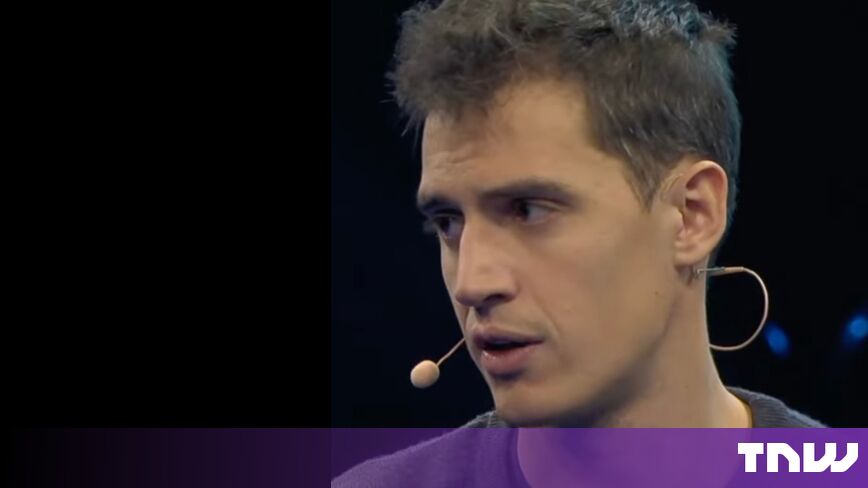
Vatican Hosts Anthropic Co-Founder for AI Encyclical Launch

Pope Leo XIV will present his first encyclical on artificial intelligence, titled "Magnifica Humanitas," at the Vatican on May 25, the Vatican and multiple outlets report (Bloomberg; PBS/AP). The Vatican said the document will address "the protection of the human person in the age of artificial intelligence" (PBS/AP; Euronews). Anthropic co-founder Christopher Olah is slated to join the event, according to Bloomberg, PBS/AP and Fortune. The Vatican approved a new internal AI commission on May 16, the Vatican announced and Fortune reported. Reporting from PBS/AP and Euronews notes that the appearance comes amid a public dispute between Anthropic and the U.S. government, after the Trump administration in February ordered U.S. agencies to stop using Anthropic technology and imposed restrictions that Anthropic is contesting in court.
What happened
Pope Leo XIV will present his first papal encyclical on artificial intelligence, titled "Magnifica Humanitas," at the Vatican on May 25, the Vatican said and Bloomberg reported. The Vatican described the document as addressing "the protection of the human person in the age of artificial intelligence," according to PBS/AP and Euronews. Christopher Olah, co-founder of Anthropic, is listed among lay speakers at the launch, per Bloomberg, PBS/AP and Fortune. The Vatican also approved a new internal AI commission on May 16, a move reported by Fortune and Euronews that the Holy See says will coordinate AI-related work across multiple Vatican bodies.
Technical details
Editorial analysis - technical context
Anthropic is publicly known for framing its work around safety and risk mitigation, a characterization found in PBS/AP and Euronews reporting. The company produces the Claude family of models, and public coverage frames Anthropic as one of the firms emphasizing interpretability and deployment constraints. The presence of a prominent machine learning researcher on a papal stage highlights the Vatican choosing technical expertise for a policy-focused document, rather than exclusively theological or pastoral voices.
Context and significance
Multiple outlets place the Vatican event against a backdrop of heightened friction between Anthropic and the U.S. government. PBS/AP and Euronews report that the Trump administration in February ordered U.S. agencies to stop using Anthropic technology and imposed other sanctions; Anthropic is reported to be pursuing legal action contesting aspects of that government response. Public reporting frames the encyclical and the new Vatican commission as part of a broader set of nonstate and multilateral actors engaging in AI governance debates, alongside national regulators and industry self-regulation efforts.
Reported controversies
The New York Post reports that Christopher Olah has described himself as an "atheist" and recounts critical blog posts he has written about religion. That characterization appears in tabloid reporting; major outlets covering the encyclical launch (Bloomberg, PBS/AP, Euronews, Fortune) note Olah as a technical speaker but do not foreground his personal beliefs.
What to watch
Industry context
Observers following AI governance should track how the encyclical frames ethical tradeoffs such as human dignity, labor, and military uses of AI, and whether the Vatican issues operational recommendations for institutions. Monitor statements from the Vatican commission once it publishes guidance, and watch for any formal responses from U.S. agencies or lawmakers given the prior February restrictions reported by PBS/AP and Euronews. Also watch for whether Anthropic or other firms publish accompanying technical notes or safety commitments around the launch.
Editorial analysis
For practitioners, the episode exemplifies growing overlap between technical experts and nontechnical norm setters. Companies that emphasize safety are increasingly invited into political and ethical fora, which can raise legal and reputational knot-tying when firms are simultaneously contesting government actions. Industry observers will likely interpret the Vatican event as part of a diversified governance ecosystem where religious institutions, courts, regulators, and firms all shape norms around AI use.
Key Points
- 1Pope Leo XIV will release an AI encyclical, "Magnifica Humanitas," on May 25, with Anthropic co-founder Christopher Olah attending.
- 2The Vatican created a new internal AI commission on May 16 to coordinate AI policy and activities across Holy See bodies.
- 3Reporting frames the launch amid a public dispute between Anthropic and the U.S. government after February restrictions and ensuing legal action.
Scoring Rationale
This is a notable governance story linking a major moral institution with a prominent AI company, relevant to practitioners tracking policy and public legitimacy. It does not change model or tool availability but matters for regulatory and reputational dynamics.
Sources
Public references used for this report.
View 6 more sources
- Pope Leo launches an AI commission ahead of papal letter release with Anthropic cofounderfortune.com
- Pope and Anthropic co-founder to launch AI papal letter at Vaticaneuronews.com
- Pope Leo to issue text on human dignity and AI with Anthropic co-foundertheguardian.com
- Pope Leo XIV’s First AI Encyclical Will Feature Anthropic Co-Foundereweek.com
- What is Anthropic? A look at the company joining Pope Leo for AI encyclical releaseosvnews.com
- Why is AI company Anthropic helping launch Pope Leo XIV's encyclical?ncronline.org
Practice interview problems based on real data
1,625 SQL & Python problems across 15 industry datasets — the exact type of data you work with.
Try 250 free problems