UW Nobel Winner Addresses Graduates Amid AI Backlash
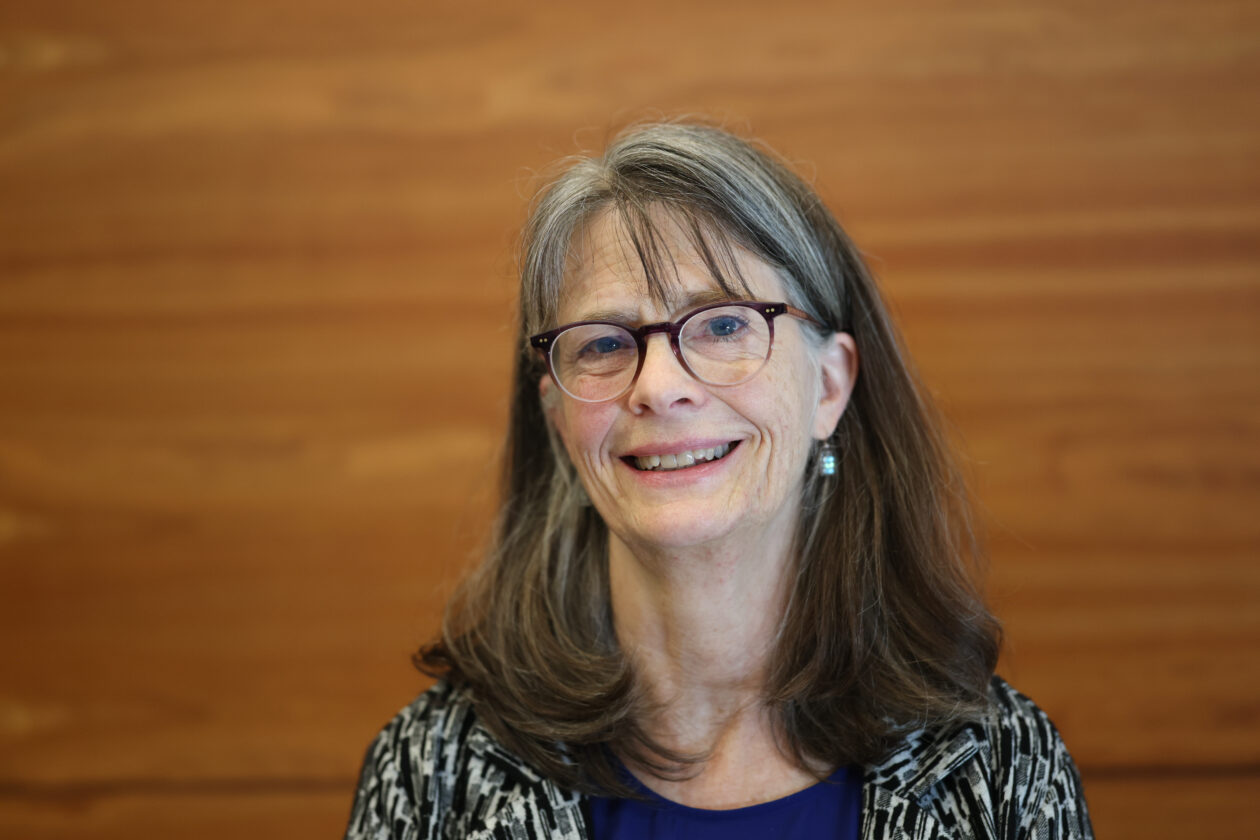
Mary E. Brunkow, a UW alumna and co-recipient of the 2025 Nobel Prize in Physiology or Medicine, will deliver the keynote address at the University of Washington's 151st Commencement on June 13 (UW news release, May 12, 2026). Brunkow shared the prize with Frederick J. Ramsdell and Shimon Sakaguchi for discoveries related to peripheral immune tolerance; she works at Seattle's Institute for Systems Biology, where machine learning and AI-driven methods have been part of the research toolkit for years (GeekWire, June 12, 2026). Her selection comes as commencement speakers nationwide face student protests over AI: former Google CEO Eric Schmidt was booed at the University of Arizona, and music executive Scott Borchetta told protesting students at Middle Tennessee State University, 'Deal with it. Like I said, it's a tool' (GeekWire). Brunkow takes a different tone, telling GeekWire: 'AI is touching everything that people are doing; a lot of times, it's presented in stark or ominous terms. I can understand the backlash.'
What happened
Mary E. Brunkow, UW alumna and co-recipient of the 2025 Nobel Prize in Physiology or Medicine, will give the keynote address at the University of Washington's 151st Commencement on Saturday, June 13, at Alaska Airlines Field at Husky Stadium (UW news release, May 12, 2026). Brunkow shared the prize with Frederick J. Ramsdell and Shimon Sakaguchi for "groundbreaking discoveries concerning peripheral immune tolerance that prevents the immune system from harming the body" (UW news release). Their work identified a mutation in the Foxp3 gene, research that underpins current approaches to therapies for cancers, autoimmune diseases, and transplant rejection. Brunkow earned her undergraduate degree in molecular and cellular biology at the UW in 1983 and her PhD from Princeton in 1991; she is currently a distinguished investigator at Seattle's Institute for Systems Biology, where machine learning and AI-driven approaches have been part of the research toolkit for years (GeekWire, June 12, 2026).
AI backlash context
Brunkow's appointment comes amid a wave of student pushback against commencement speakers who have promoted AI in commercial terms. At the University of Arizona, former Google CEO Eric Schmidt was repeatedly booed after telling graduates the question was not whether AI would shape the future, but whether they would help shape it. At Middle Tennessee State University, music executive Scott Borchetta told students that AI was rewriting production and responded to pushback with: "Deal with it. Like I said, it's a tool" (GeekWire). Coverage by GeekWire frames this pattern as students objecting less to AI itself than to executives whose financial stakes in AI are visible.
Brunkow's approach
In an interview with GeekWire, Brunkow acknowledged the frustration directly: "AI is touching everything that people are doing; a lot of times, it's presented in stark or ominous terms. I can understand the backlash." She situates the moment within a longer history of transformative technologies: "This isn't the first time that there's been a revolutionary new technology or new way of thinking, and the human race is pretty good at adapting and using those new things." She raised a critical epistemological point relevant to practitioners: "If you're going to throw something into your analysis that you don't have a complete understanding of how it works, then how are you going to judge the results that come out in the end?" On AI's role in discovery, she added: "You're still going to need the subject matter experts. A human brain is still going to be needed to ask the right questions and then to look at results, so you know how to ask the next right question."
Why it matters
The pattern documented by GeekWire reflects broader tension between AI's commercial framing and its role in research. For data scientists and practitioners, Brunkow's perspective - grounded in decades of computational biology rather than venture-backed forecasting - offers a different register for public-facing communication about AI-assisted work.
Key Points
- 12025 Nobel laureate Mary Brunkow headlines UW commencement as student protests against AI-promoting speakers spread across US campuses.
- 2Brunkow, a peripheral immune tolerance researcher at Seattle's Institute for Systems Biology, says she understands and acknowledges the AI backlash.
- 3She argues AI accelerates discovery without replacing judgment: 'You're still going to need the subject matter experts,' Brunkow told GeekWire.
Scoring Rationale
A well-sourced cultural story about AI-backlash at graduation ceremonies, anchored by verified direct quotes from Nobel laureate Mary Brunkow. Relevant to AI/ML practitioners who engage with public audiences, but the story is primarily societal and reputational rather than technical or product-related, placing it in the solid-but-not-notable range.
Sources
Public references used for this report.
Practice interview problems based on real data
1,625 SQL & Python problems across 15 industry datasets — the exact type of data you work with.
Try 250 free problems