US Treasury Meets Bank CEOs Over Mythos Cyber Risks

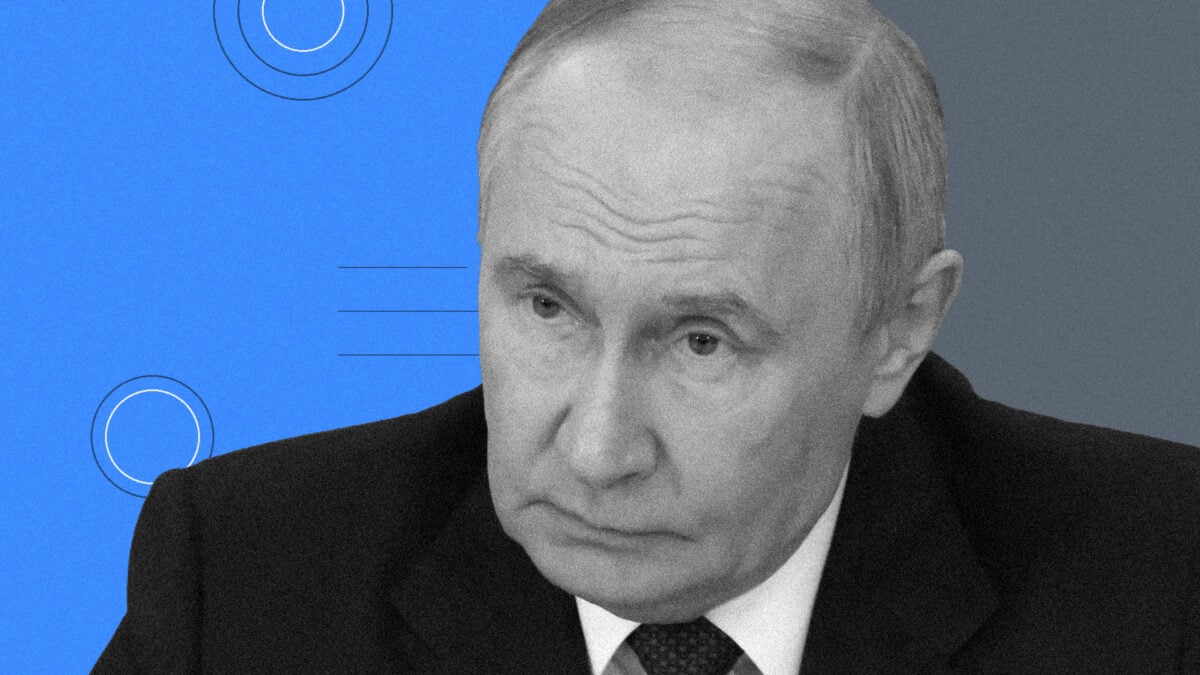
Federal Reserve Chair Jerome Powell and Treasury Secretary Scott Bessent met with major U.S. bank CEOs to discuss cybersecurity risks from Anthropic's new model Mythos, CNBC and CBS News report. CNBC reported the meeting was convened while bank executives were in Washington for a Financial Services Forum board meeting; JPMorgan CEO Jamie Dimon was invited but could not attend, per both outlets. CBS News reports Anthropic said it will not widely release Mythos and announced a defensive effort, Project Glasswing, with several tech firms. A Treasury Department spokesman told CBS News the agency is urging financial institutions to prepare for new AI-driven security threats. The Federal Reserve declined to comment to CNBC and the Treasury Department did not respond to CNBC's request, CNBC reports.
What happened
Federal Reserve Chair Jerome Powell and Treasury Secretary Scott Bessent met with major U.S. bank CEOs to discuss cybersecurity risks tied to Anthropic's new model, Mythos, according to reporting by CNBC and CBS News. CNBC reported the meeting was called while bank executives were in Washington for a Financial Services Forum board meeting and that JPMorgan CEO Jamie Dimon was invited but could not attend. CNBC also cited Bloomberg for an attendee list that included CEOs from Bank of America, Citigroup, Goldman Sachs, Wells Fargo, and Truist. CNBC reports the Federal Reserve declined to comment and the Treasury did not respond to CNBC's request.
Technical details
CBS News reports that Anthropic said it will not widely release Mythos because its advanced capabilities have uncovered vulnerabilities in major operating systems and web browsers. Per CBS, Anthropic announced a defensive collaboration called Project Glasswing with several major tech companies, including Amazon, Apple, and Nvidia, to apply Mythos for cybersecurity. CBS reports Anthropic said such capabilities could proliferate beyond actors committed to deploying them safely and that the fallout, for economies, public safety, and national security, could be severe.
Industry context
Context and significance
What to watch
Editorial analysis
Reporting frames the meeting as an example of regulators elevating operational risk concerns about advanced generative models for critical infrastructure sectors. Industry observers note that close coordination between central bankers, finance regulators, and private-sector security teams typically follows identification of tools that could be repurposed for offensive cyber activity.
For financial-services practitioners, the public reporting of this meeting raises the profile of AI-related cyber risk at the board and regulator level, which can accelerate demand for vendor risk assessments, adversarial testing, and threat-hunting capabilities. For security teams, Anthropic's limited release and Project Glasswing underline a pattern where model developers and large tech firms try to balance capability rollout with defensive use cases.
Observers will track whether regulators issue formal guidance or stress tests that reference generative-AI-driven attack vectors, how banks change vendor due diligence for AI suppliers, and whether other model developers adopt defense-first release controls similar to those Anthropic described to CBS News.
Key Points
- 1Regulators convened bank CEOs after Mythos's debut, showing AI-driven cyber risk has reached senior financial oversight, per CNBC and CBS News.
- 2Anthropic told CBS News it will not widely release Mythos and launched Project Glasswing with major tech firms to apply the model defensively.
- 3Editorial analysis: Industry observers say such regulator-industry engagement tends to accelerate security audits, red-teaming, and vendor scrutiny across financial institutions.
Scoring Rationale
The story is notable because senior regulators engaged directly with bank CEOs about a high-capability generative model, elevating AI-driven cyber risk to a systemic concern. The sources are a few weeks old, reducing immediacy and lowering the score.
Sources
Public references used for this report.
Practice interview problems based on real data
1,625 SQL & Python problems across 15 industry datasets — the exact type of data you work with.
Try 250 free problems