
AI Agents Expose Accountability Gaps in Open Banking
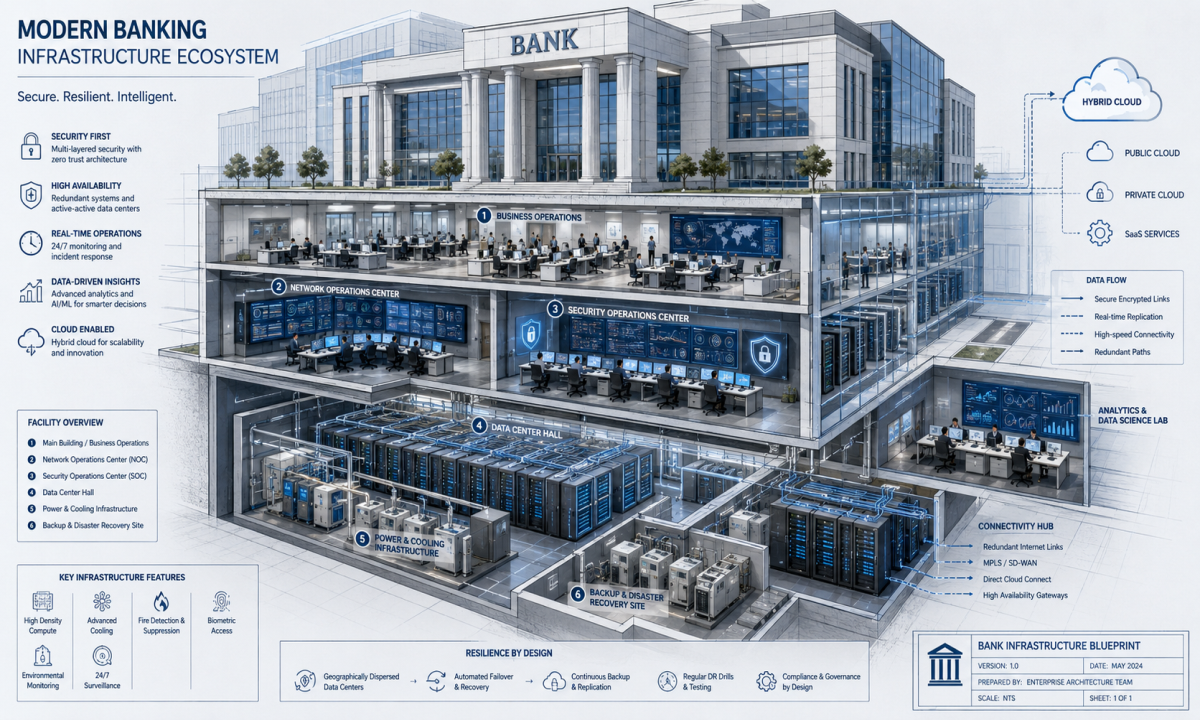
PYMNTS reports that Fiserv launched AgentOS, an operating system intended to let financial institutions run AI agents across core banking, payments and servicing from a single governed environment. PYMNTS reports six banks helped build the platform, two are in beta, and additional collaborators joined the effort. Reported pilots include a commercial loan onboarding agent and a daily operational-analysis agent that compressed report generation from ten minutes to seconds, per PYMNTS. PYMNTS also reports the platform includes kill switches, human-in-the-loop controls and audit trails designed for bank-grade regulatory requirements. PYMNTS reports the Financial Data Exchange (FDX) is convening work on AI agents, and that FDX represents about 200 organizations with more than 114 million connected accounts. These developments crystallize an enforcement and governance challenge industrywide as autonomous agents begin exercising broad access to consumer financial data.
What happened
PYMNTS reports that Fiserv introduced AgentOS, an operating system designed to let banks run AI agents across core banking, payments and servicing from a single governed environment. PYMNTS reports that six banks helped build the platform, two banks are in beta, and additional collaborators joined the effort. PYMNTS reports pilots include a commercial loan onboarding agent and a daily operational-analysis agent that reduced report generation from ten minutes to seconds. PYMNTS reports that the vendor describes built-in controls including kill switches, human-in-the-loop controls and audit trails intended to meet bank-grade regulatory requirements. PYMNTS reports the Financial Data Exchange (FDX) is convening an initiative about autonomous AI agents, and that FDX represents roughly 200 organizations with more than 114 million connected accounts.
Editorial analysis - technical context
The combination of open-banking APIs and agentic automation raises several recurring technical challenges for practitioners. Industry-pattern observations: distributed agent deployments increase the surface area for access control, requiring stronger API authentication, fine-grained consent models, request provenance and audited decision trails. Observers also note that integrating human-in-the-loop controls at scale commonly needs synchronous fallbacks, latency budgeting and robust exception routing to avoid operational deadlocks.
Industry context
Industry-pattern observations: Large incumbents and standards bodies are converging on governance primitives because banks operate under strict compliance regimes and high audit expectations. The PYMNTS reporting on built-in kill switches and audit trails aligns with broader sector efforts to couple innovation with traceability, but standards adoption and interoperability across vendors remain unresolved in public coverage.
What to watch
For practitioners and risk teams, reported indicators to monitor include adoption rates across institutions, how third-party systems interoperate with vendor governance hooks, the evolution of FDX guidance on agent responsibilities, and real-world incidents that test auditability. Industry-pattern observations: regulators and standards groups typically accelerate requirements after early incidents, so tracking FDX outputs and bank pilots will show where technical controls must harden.
Bottom line
PYMNTS reporting frames this moment as an accountability test for open banking as autonomous agents gain operational reach. The story advances a practical agenda for engineers and compliance teams: instrument access, log intent, and design human handoffs around critical financial decisions.
Key Points
- 1Open-banking APIs plus autonomous AI agents create accountability gaps, increasing demand for governance, audit trails and human-in-loop controls.
- 2Major core-banking vendors enabling agent orchestration shift the engineering challenge from isolated pilots to cross-system interoperability and auditability.
- 3Standards bodies and early bank pilots will determine which governance primitives scale, shaping compliance and vendor integration work for practitioners.
Scoring Rationale
A major vendor enabling agent orchestration across banks is a notable product development with practical implications for engineers, compliance teams and platform architects. The story matters because it raises governance, interoperability and auditability challenges that practitioners must solve.
Practice with real FinTech & Trading data
90 SQL & Python problems · 15 industry datasets
250 free problems · No credit card
See all FinTech & Trading problems
