Industry Newsadditive manufacturingnaval maintenancenavseadistributed manufacturing
U.S. Navy Integrates Additive Manufacturing Into Fleet
8.0
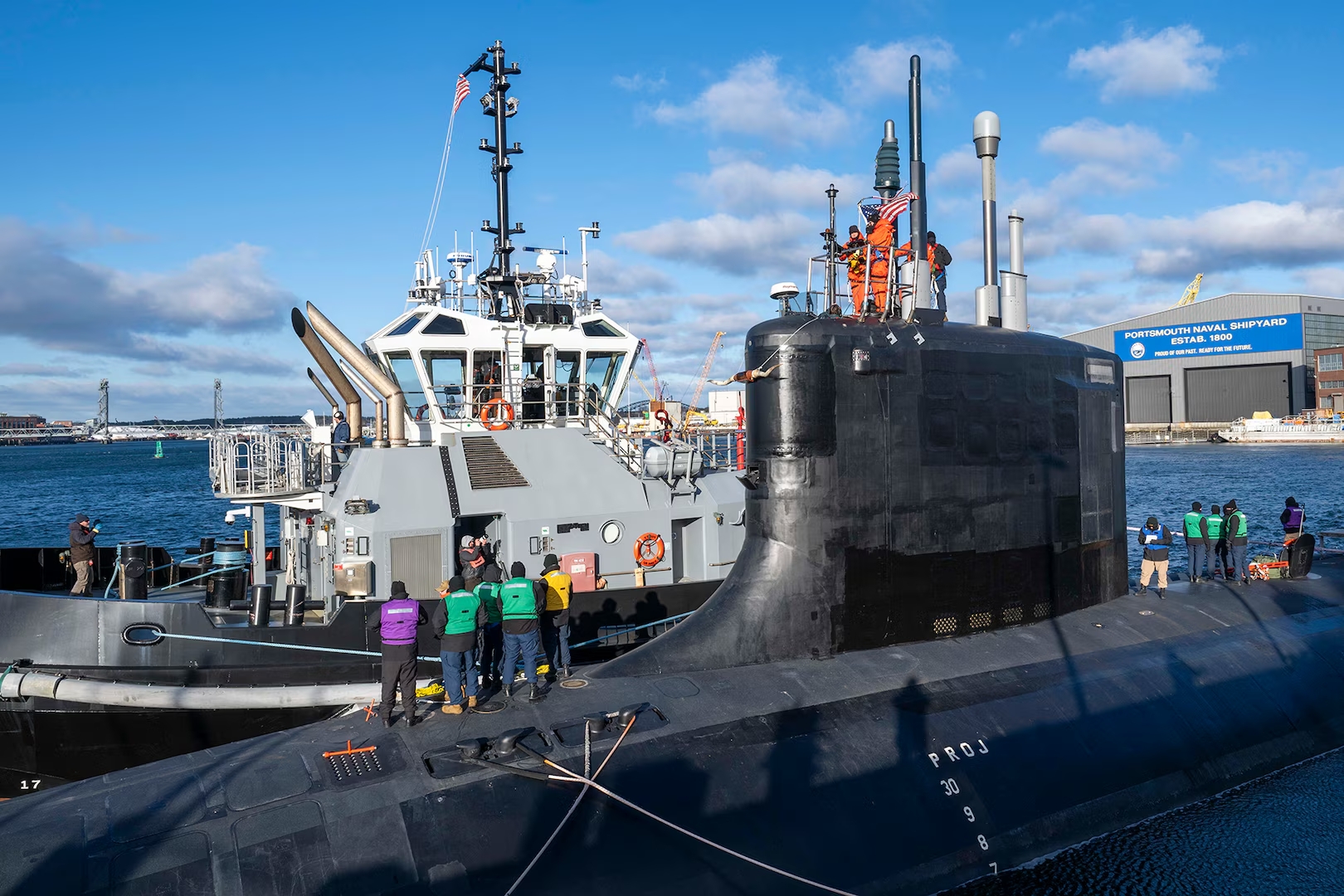
In 2025 the U.S. Navy transformed additive manufacturing from experimental to operational, deploying metal and polymer 3D-printed parts across carriers and Virginia-class submarines. By cutting production lead times by roughly 70%, reducing testing requirements over 60%, and adopting MIL-PRF-32802/32803/32804 standards, NAVSEA and industry partners accelerated certification and strengthened distributed manufacturing for improved fleet readiness.
Key Points
- 1Deploys metal and polymer AM parts across carriers and submarines, cutting lead times roughly 70%
- 2Establishes MIL-PRF-32802/32803/32804 standards and cuts testing over 60%, lowering qualification costs millions
- 3Enables distributed, allied manufacturing for real-time fleet readiness, reducing downtime and logistical bottlenecks
Scoring Rationale
Official NAVSEA adoption and measurable production reductions drive a high score, limited by defense-sector scope.
Practice with real Ad Tech data
90 SQL & Python problems · 15 industry datasets
Used by DS/ML engineers at top companies
Active Search Campaigns by BudgetEasyHigh CPC Clicks & Poor Landing PagesMediumCampaign ROAS by Attribution ModelHard
250 free problems · No credit card
See all Ad Tech problems