TSMC Posts May Revenue Jump on AI Demand
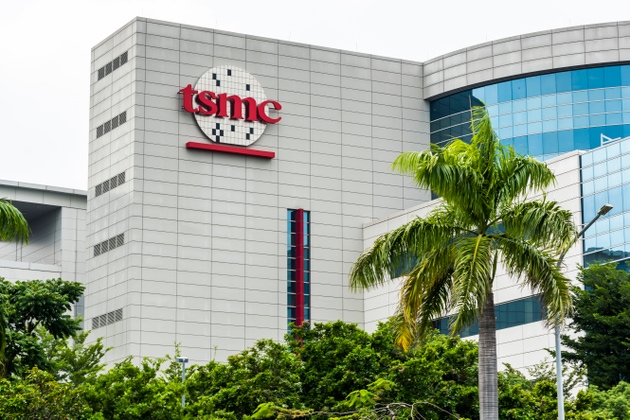
For anyone budgeting silicon lead times, TSMC's May numbers are a hard data point that AI-driven demand is still running hot at the foundry that gates the entire advanced-node supply chain. In its official monthly release TSMC reported May 2026 revenue of NT$416.98 billion, up 1.5% from April and 30.1% year over year, bringing cumulative 2026 revenue to NT$1.96 trillion. At its Hsinchu shareholder meeting, CEO C.C. Wei said customers remain upbeat on AI and that TSMC is "working very hard" to meet demand, while flagging rising component costs and saying the company would "like" to raise prices, Reuters reports. The load-bearing signals for practitioners are Wei's pricing intent and his warning that satisfying US demand with US-based production will take a "very long time," both of which point to tighter capacity and firmer wafer pricing ahead.
Why procurement teams should care
TSMC is the single foundry that gates advanced-node supply for essentially every high-performance AI chip, so a 30.1% year-over-year monthly revenue jump is not just a stock story, it is a capacity signal. Sustained demand at this level keeps leading-edge utilization above normal planning levels, which historically lengthens lead times and pressures allocation for AI-focused customers. Teams managing tapeout schedules or silicon procurement should read the print as continued tightness, and prioritize critical workloads accordingly.
The numbers
In its official monthly release, TSMC reported May 2026 revenue of NT$416.98 billion, a 1.5% increase from April and 30.1% higher year over year, with cumulative 2026 revenue of NT$1.96 trillion through five months. Reuters and Bloomberg attribute the surge to sustained AI chip demand.
What management signaled
At the Hsinchu shareholder meeting, CEO C.C. Wei said customers remain positive on AI and that TSMC is "working very hard" to meet demand, Reuters reports. Two remarks carry the most weight for downstream planners: Wei said TSMC is monitoring rising component costs and would "like" to raise prices, and that it will take a "very long time" to satisfy US demand with US-based production. Together they point to margin pressure that pricing action could offset, and to continued concentration of advanced capacity in Taiwan despite US fab expansion.
What to watch
Monitor TSMC capacity guidance and lead-time indicators from board and substrate suppliers, any concrete pricing action following Wei's comments, and customer disclosures on wafer reservations. Because this is a routine monthly report rather than a strategic announcement, the pricing follow-through is the signal most likely to move project budgets.
Key Points
- 1TSMC's official release shows May 2026 revenue of NT$416.98 billion, up 30.1% year over year on sustained AI chip demand.
- 2CEO C.C. Wei flagged rising component costs, a desire to raise prices, and slow progress localizing US capacity.
- 3So-what: continued utilization at the dominant advanced-node foundry signals longer lead times and firmer wafer pricing for AI silicon.
Scoring Rationale
TSMC monthly revenue data confirms sustained 30% YoY AI-driven demand growth, and CEO comments on pricing intentions and US capacity constraints carry market-moving significance for AI infrastructure procurement. Solid notable story for practitioners tracking chip supply and cost trajectories; pulled slightly from 7.2 as it is a routine monthly report rather than a strategic announcement.
Sources
Public references used for this report.
Practice interview problems based on real data
1,625 SQL & Python problems across 15 industry datasets — the exact type of data you work with.
Try 250 free problems