Trump issues executive order on AI oversight
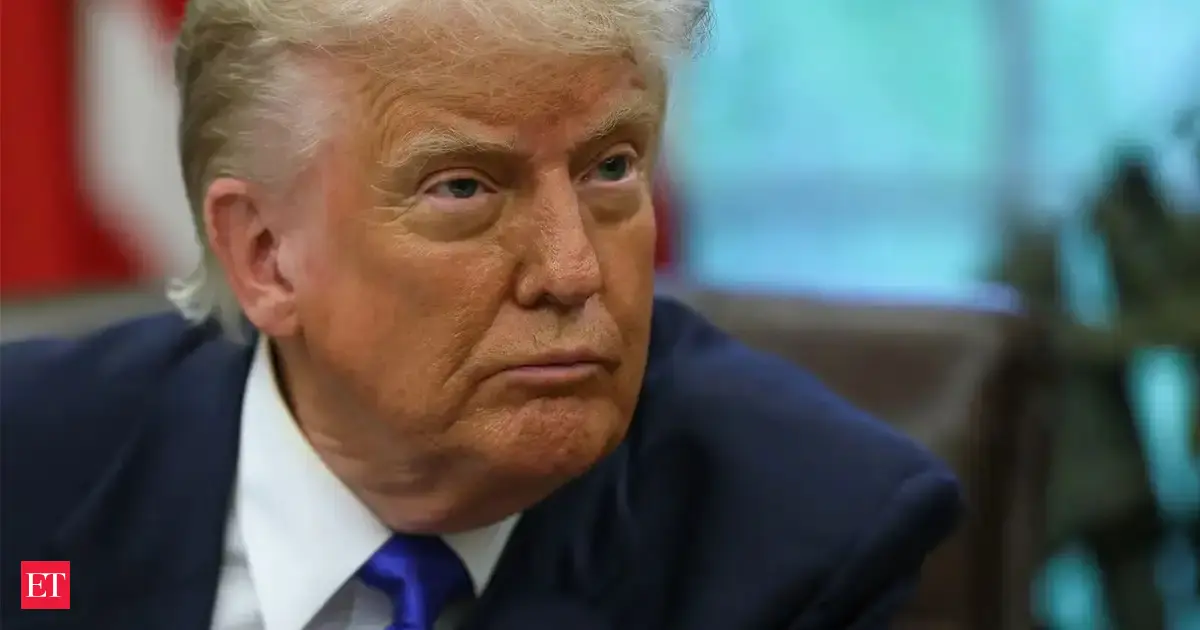
Reuters reports President Donald Trump is expected to sign an executive order on AI and cybersecurity as soon as Thursday, two sources familiar with the matter told Reuters. Reuters says the order would create a voluntary framework asking AI developers to provide covered models to the U.S. government 90 days before public release and to give pre-public access to critical infrastructure providers such as banks. Reuters also reports the White House was working to get AI company CEOs to attend a signing ceremony, and that parts of Trump's political base, including Steve Bannon, have pushed for stricter oversight while tech figures such as Marc Andreessen oppose mandatory requirements. Companies undergoing comparable regulatory engagement often need to build controlled pre-release disclosure and third-party testing workflows, which can extend timelines and increase compliance overhead.
What happened
Reuters reports President Donald Trump is expected to sign an executive order on AI and cybersecurity as soon as Thursday, two sources familiar with the matter told Reuters. Reuters says the order would establish a voluntary framework under which AI developers would be asked to provide covered models to the U.S. government 90 days before public release and to give pre-public access to critical infrastructure providers such as banks. Reuters reports the White House was working to get AI company CEOs to attend a signing ceremony, and that parts of Trump's political base, including Steve Bannon, have pressed for stricter oversight while tech figures such as Marc Andreessen favor resisting mandatory requirements. Reuters notes the debate could affect model rollout, industry profits, and national security.
Editorial analysis - technical context
Companies in comparable regulatory engagements commonly need to create secure, auditable channels for pre-release model disclosure and for sharing red-team results with external reviewers. That pattern typically increases demands on version control, provenance tracking, and secure compute for sensitive model artefacts. For models like Anthropic's Mythos (reported by Reuters as an example of a new-capability model), a 90-day pre-release window implies a longer governance runway for risk assessments and for coordinating mitigations with critical infrastructure operators.
Industry context
Industry observers have repeatedly shown that voluntary frameworks are often a compromise between rapid commercial rollout and public-safety review. Public reporting frames the current debate within those dynamics: parts of the political base seek more stringent checks, while many in the tech sector resist mandatory requirements, per Reuters. For startups and smaller companies, additional pre-release obligations typically raise operational and legal costs and can change go-to-market timelines relative to larger firms with compliance resources.
What to watch
For practitioners, monitor these indicators in coming days and weeks:
- •Whether the signing ceremony occurs and which AI CEOs attend, as reported by Reuters.
- •The final text or implementing guidance detailing definitions of "covered models," data handling, and exceptions for research.
- •Any shifts from a voluntary framework to statutory or regulatory mandates in Congress or federal agencies.
- •Responses from major cloud providers and critical-infrastructure sectors about their willingness to accept pre-public access.
Editorial analysis
Observers tracking governance outcomes should expect iterative clarifications to scope, timelines, and disclosure mechanics as agencies and industry negotiate operational feasibility and liability protections.
Key Points
- 1An expected executive order would ask developers to provide models to government 90 days before release, introducing pre-release review steps.
- 2Voluntary frameworks often become negotiation points; industry resistance can preserve rollout agility while political pressure pushes for stricter checks.
- 3Practitioners should plan for secure pre-release workflows, provenance tracking, and coordination with critical-infrastructure partners for compliance.
Scoring Rationale
A U.S. executive order that institutionalizes pre-release disclosure and access for critical infrastructure materially affects deployment workflows and compliance work for AI practitioners. The story is policy-level and could reshape release timetables, so it rates as notable for ML engineering and governance teams.
Sources
Public references used for this report.
Practice interview problems based on real data
1,625 SQL & Python problems across 15 industry datasets — the exact type of data you work with.
Try 250 free problems