
Rokid Smart Glasses Spark Privacy Recording Concerns
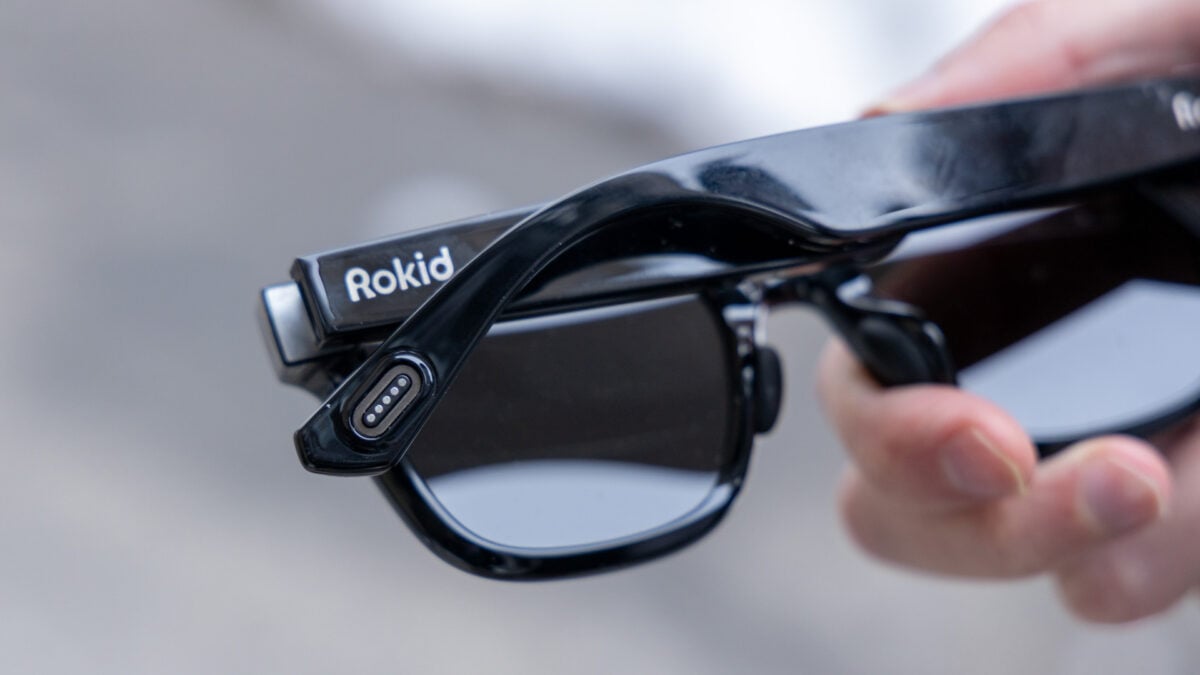
Rokid AI smart glasses were used to covertly film bystanders in China, including Spring Airlines flight attendants, in footage that trended on Chinese social network Weibo and circulated inside Rokid's own user forum, Gizmodo and TechNode reported in June 2026. TechNode reported that e-commerce platforms had sold more than 5,000 stickers designed to cover the glasses' recording LED without triggering the sensors meant to disable recording when it is obscured. Rokid announced a corrective action plan on June 9, adding hardware-level indicators and obstruction detection. Less than three weeks later, China's telecom-research body CAICT issued the country's first industry-wide voluntary code for AI smart glasses, requiring visible recording indicators and explicit consent, the South China Morning Post reported.
A viral privacy backlash against one company's AI glasses moved unusually fast from consumer complaint to national policy: within about two and a half weeks of the videos surfacing, Rokid issued a corrective action plan and China's telecom regulator published the country's first industry-wide code of conduct for AI smart glasses. For hardware and privacy teams, the episode is a live case study in how quickly a weak indicator-light design can escalate into a regulatory requirement.
What happened
Gizmodo reported on June 10, 2026 that a Xiaoxiang Morning Post investigation (machine-translated) found Rokid AI smart glasses, sold in the US as well as China, being used to covertly film people, including Spring Airlines flight attendants, in footage that trended on Weibo and was shared inside Rokid's own community forum. TechNode's reporting adds that e-commerce platforms had sold more than 5,000 units of stickers designed to cover the glasses' recording LED without triggering the obstruction-detection sensors meant to disable recording when the light is blocked.
Timeline
Rokid announces an "urgent rectification plan" after Chinese media reports show its smart glasses being used to covertly film flight attendants and members of the public, per TechNode.
Gizmodo reports on the controversy for English-language readers, noting Rokid did not respond to its request for comment before publication.
China's CAICT, a research institute under the Ministry of Industry and Information Technology, issues the country's first voluntary industry code of conduct for AI smart glasses, requiring clear recording indicators and explicit consent, according to the South China Morning Post.
Technical context
TechNode's reporting frames the core weakness as a design problem, not only a misuse problem: some recording indicators sit on the inside of glasses temples where they are barely visible, illuminate only briefly, or rely on audio alerts with limited range, while obstruction-detection sensors can be defeated by an opaque sticker that blocks the LED without being detected. Rokid has said its current products will add hardware-level indicators and obstruction detection, with future devices going further, though the South China Morning Post reports the company had not responded to its own request for comment as of late June and had, earlier in the month, removed some videos and blocked the accounts that posted them.
For practitioners
CAICT's new voluntary code calls for a "minimum data collection" approach, clearly active-state indicators for cameras and microphones, and explicit consent before recording, effectively formalizing what privacy engineers have long treated as best practice for wearable cameras. Teams building camera-equipped hardware should treat visible, tamper-resistant recording indicators and redundant obstruction detection as baseline requirements rather than optional polish, especially as regulators in multiple markets begin scrutinizing smart glasses.
What to watch
- •Whether CAICT's voluntary code is followed by mandatory requirements or enforcement actions.
- •Similar proposals elsewhere, including a pending Pennsylvania bill that would legally require smart glasses to carry a recording light.
- •Whether Rokid's promised hardware-level indicator and obstruction-detection updates ship and hold up to independent testing.
- •Comparable scrutiny of Meta's Ray-Ban line, which has faced its own recurring privacy criticism.
Key Points
- 1Rokid AI glasses were used to covertly film bystanders, including flight attendants, in videos that trended on Weibo and circulated inside Rokid's own user forum.
- 2More than 5,000 stickers sold online could cover the glasses' recording LED without triggering the sensors meant to disable recording when it is blocked.
- 3Within weeks, China's CAICT issued the country's first industry-wide code requiring visible recording indicators and consent, a fast regulatory response practitioners should track.
Scoring Rationale
What began as a single-company privacy complaint escalated within about two and a half weeks into China's first industry-wide voluntary code of conduct for AI smart glasses, a concrete regulatory outcome that raises this beyond a routine product-privacy story; still notable rather than major since the code is voluntary and enforcement is untested.
Sources
Public references used for this report.
Practice interview problems based on real data
1,625 SQL & Python problems across 15 industry datasets — the exact type of data you work with.
Try 250 free problems