
Transplanted Human Neurons Restore Damaged Stroke Circuits
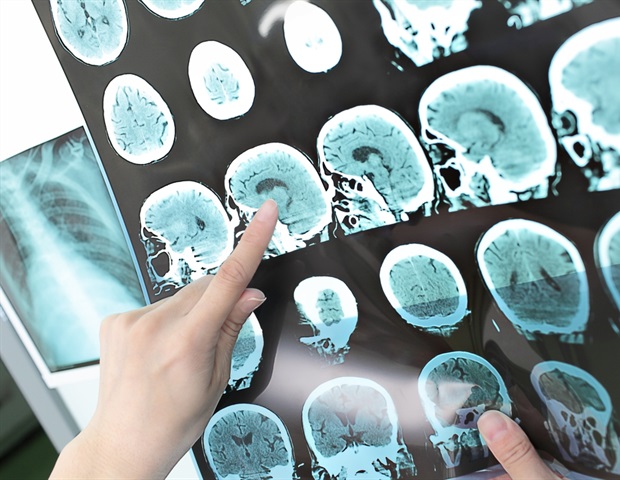
Researchers at Sanford Burnham Prebys and Duke-NUS published Jan. 8, 2026 in Cell Stem Cell that human stem-cell–derived neurons transplanted into mice with stroke cavities survived, matured, integrated into existing circuits, and restored function. Using genetic barcodes, single-cell gene expression and machine learning, they identified four neuronal subtypes and transcriptional codes, including Ctip2 effects, that guide axon targeting and enable targeted circuit repair.
Key Points
- 1Demonstrate transplanted human stem-cell-derived neurons survive, mature, and restore function in stroke-injured mice
- 2Reveal transcriptional 'codes' and four neuron subtypes guiding axon projections and target specificity
- 3Enable selection or engineering of neuron types (e.g., via Ctip2) for targeted circuit reconstruction
Scoring Rationale
Strong peer-reviewed evidence of functional circuit repair in mice; limitation: preclinical results and translation to humans remains unproven.
Practice interview problems based on real data
1,625 SQL & Python problems across 15 industry datasets — the exact type of data you work with.
Try 250 free problems


