Ted Cruz Controls Senate AI Markup Agenda
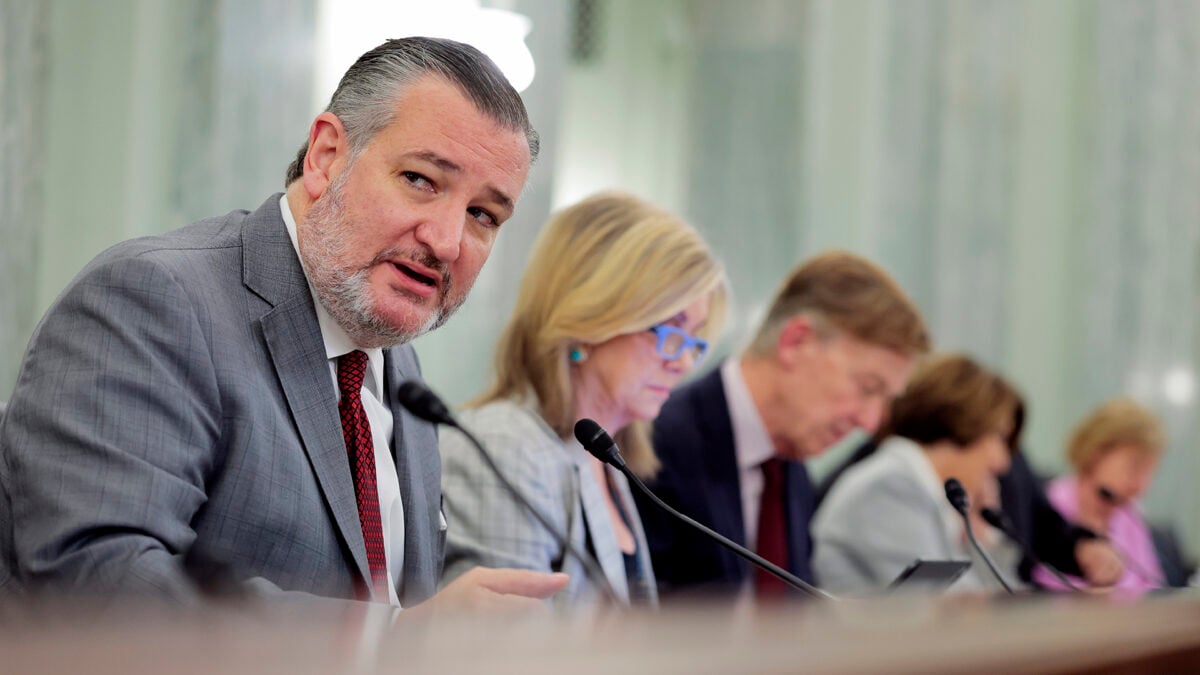
Senate Commerce Committee Chair Senator Ted Cruz will convene a markup on AI legislation next month, Politico reports. Cruz told Politico, "This markup is designed to move legislation that has a real chance of passing into law," and said he is vetting bills based on "what bipartisan agreement and consensus can be reached." Politico also reports Cruz asked GOP committee members to submit proposals and that his aides, speaking on background, said he favors "targeted" federal action in "truly novel circumstances" such as catastrophic risk and deepfakes. Reporting by Gizmodo and Politico notes committee members say they have not been briefed on what Cruz will advance. Coverage recalls Cruz's previous push for a state-level AI moratorium, opposed by groups including the NAIC and later removed from major bills, per Washington Post and NAIC filings.
What happened
Senator Ted Cruz, as chair of the Senate Commerce Committee, has scheduled a markup on AI legislation for late July, according to reporting by Politico. In an interview with Politico, Cruz said, "This markup is designed to move legislation that has a real chance of passing into law," and added he is vetting proposals based on "what bipartisan agreement and consensus can be reached." Politico reports Cruz asked GOP committee members to submit bills and that his staff is reviewing dozens of existing measures. Politico also reports Cruz's aides, granted anonymity, said the senator believes the federal government should take "targeted" action in "truly novel circumstances" such as catastrophic risk, deepfakes, and chatbots. Reporting by Gizmodo and Politico states several senators on the Commerce Committee say they have not been told what Cruz will bring to the markup.
What is on the table
Politico and Gizmodo both note that a potential package could include Senator Marsha Blackburn's agreement with the White House, which reportedly bundles a children's safety measure with provisions that would preempt certain state laws, including the Kids Online Safety Act (KOSA). Coverage recalls a previous GOP effort to insert a 10-year moratorium on state AI regulation into major legislation, an idea that drew strong opposition from state regulators. The National Association of Insurance Commissioners (NAIC) wrote leaders on June 4, 2025, warning against a 10-year moratorium in the House reconciliation bill. Reporting in the Washington Post documented how an earlier push to block state AI laws collapsed in 2025 after political backlash.
Editorial analysis - technical context
Industry context
Industry observers note that committee chairs control agenda-setting power in Congress, and that marking up dozens of disparate bills into a single package is a conventional legislative route to build bipartisan support. Reporting by Politico frames Cruz as navigating a politically charged debate ahead of potential 2028 ambitions, and coverage by Gizmodo and the Washington Post places current maneuvers in the context of the 2025 moratorium fight, when business and civil society mobilized against sweeping state preemption. The NAIC filing offers evidence of organized state regulator opposition to broad federal moratoriums on AI oversight.
What to watch
For practitioners
federal preemption or moratorium language, if enacted, would change the compliance landscape for AI deployments. Companies building or procuring models commonly manage a matrix of state-level requirements today; a national moratorium or narrow federal standard can reduce fragmentation, but industry-pattern observations show it can also create a single regulatory baseline that may lag technical risk management practices. Similarly, bundling child-safety provisions like KOSA with preemption clauses can force tradeoffs between content-safety obligations and state-level consumer protections, complicating product design, content moderation thresholds, and logging/audit requirements.
indicators to monitor include whether Cruz circulates a committee agenda or bill text before the markup, whether the Blackburn-White House package or separate KOSA language is on the docket, and whether moratorium or preemption provisions reappear in revised form. Observers should also track committee roll calls and amendment filings during the markup, and any public statements or press releases from the Commerce Committee staff. These signals will determine the near-term legal baseline for product compliance, procurement clauses, and cross-jurisdictional risk assessments.
Bottom line
Reporting from Politico, Gizmodo, and the Washington Post, plus the NAIC letter, show that the Senate Commerce Committee chairmanship gives Senator Cruz decisive procedural influence over which AI bills advance. Cruz has publicly framed the markup around passable, bipartisan measures, but committee members and outside observers remain uncertain which specific texts will be advanced into lawmaking process.
Key Points
- 1Cruz, as Senate Commerce chair, controls the July AI markup agenda, shaping which federal measures reach a committee vote.
- 2Federal preemption or moratorium proposals matter because they can replace a patchwork of state rules with a single national baseline.
- 3Practitioners should watch docketed bill text, inclusion of KOSA or moratorium language, and amendment filings during the markup.
Scoring Rationale
Senator Cruz's Senate Commerce Committee chairmanship gives him direct procedural control over which AI bills advance to markup in late July 2026. Politico is the primary reporter; the story matters to compliance teams tracking federal AI preemption and moratorium risk. Score of 7.2 maintained as this is a notable policy event with clear operational consequences for AI practitioners.
Sources
Public references used for this report.
View 11 more sources
- Senate Parliamentarian Approves Ted Cruz's Rewritten 10-Year ...mintz.com
- It's Back. Congress Gears Up for Year-End Fight Over Moratorium on ...techpolicy.press
- Federal AI Moratorium Dies on the Vine as Senate Passes the One Big Beautiful Bill Actgoodwinlaw.com
- Ted Cruz wants to stop states from regulating AI. Some of his ...texastribune.org
- Understanding the Proposed AI Moratorium: Answers to Key Questionsrstreet.org
- ‘One Big Beautiful Bill’ could block AI regulations for 10 years, leaving its harms uncheckedpoynter.org
- Moratoriums and Federal Preemption of State Artificial Intelligence Laws Pose Serious Risksamericanprogress.org
- [PDF] government-affairs-letter-ai-moratorium.pdf - NAICcontent.naic.org
- 'Not at all dead': Cruz says AI moratorium will return - POLITICO Prosubscriber.politicopro.com
- Text - H.R.1 - 119th Congress (2025-2026): An act to provide for reconciliation pursuant to title II of H. Con. Res. 14.congress.gov
- Stop the Backdoor AI Moratorium - Fight for the Futurefightforthefuture.org
Practice with real Retail & eCommerce data
90 SQL & Python problems · 15 industry datasets
250 free problems · No credit card
See all Retail & eCommerce problems