House Bill Requires Reporting of Dangerous AI Activity
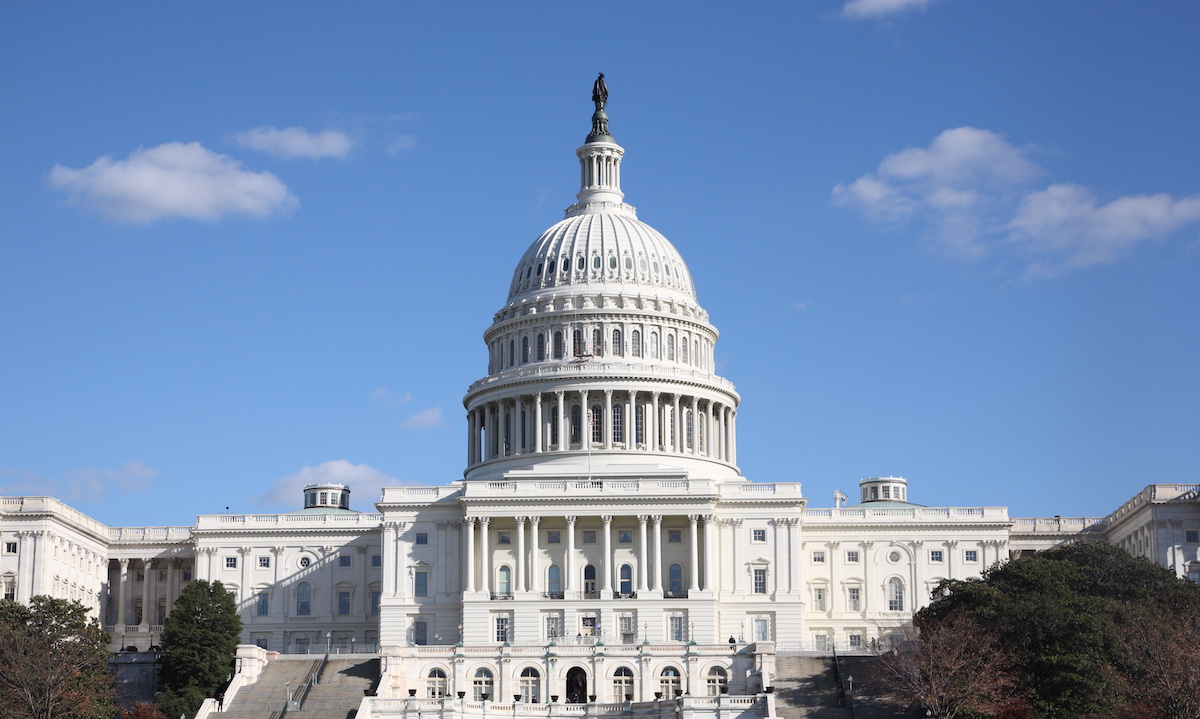
PYMNTS reports that a bill introduced June 25 in the U.S. House would require developers of frontier AI models to report models' dangerous capabilities, security breaches and safety incidents to the Secretary of Commerce. Per PYMNTS, the bill would empower the Commerce Department to determine which models are covered, require developers to file reports within seven days of discovering dangerous activity, and require Commerce to notify congressional leadership and committee chairs of the most serious incidents within 48 hours. The bill would also preempt state or local AI development laws for three years, according to PYMNTS. The article quotes Moran: "AI is a powerful engine of innovation, and I want to see it flourish, but not without accountability and not without human oversight," Moran said in the release.
What happened
PYMNTS reports that a bill introduced June 25 in the U.S. House would require developers of frontier AI models to report models' dangerous capabilities, security breaches and safety incidents to the Secretary of Commerce. PYMNTS reports the bill would give the Commerce Department authority to determine which models are covered and would require developers to file reports within seven days of discovering dangerous activity. PYMNTS also reports that Commerce would be required to notify congressional leadership and relevant committee chairs of the most serious incidents within 48 hours. The article quotes Moran: "AI is a powerful engine of innovation, and I want to see it flourish, but not without accountability and not without human oversight," Moran said in the release.
Technical details
PYMNTS reports the bill would direct the Commerce Department to develop reporting thresholds "in consultation with AI developers and other experts" so the framework reflects technical realities and avoids undue burdens, per the release cited by PYMNTS. PYMNTS also reports the bill would preempt any state or local law or regulation covering AI model development for three years. The PYMNTS article cites a related June 4 discussion draft of the Great American AI Act released by two other House members, described as seeking stakeholder feedback.
Industry context
Editorial analysis
Reporting requirements that centralize incident data with a federal agency change the information flow for high-capability model developers, increasing transparency to policymakers and potentially accelerating regulatory responses. Companies and legal teams often face higher compliance costs when fast, narrow reporting windows are codified, particularly around ambiguous terms like "dangerous capabilities." Observed patterns in similar regulatory areas show that departments tasked with threshold-setting commonly rely on iterative rulemaking and stakeholder consultation to operationalize vague statutory terms.
What to watch
For practitioners
track how the Commerce Department defines "frontier" models and the technical criteria for "dangerous activity," and whether subsequent rulemaking narrows or broadens reporting scope. Also watch whether the bill proceeds through committee and how amendments change reporting timelines, consultation requirements, or the three-year preemption clause.
Key Points
- 1Federal reporting mandate for frontier models would centralize incident information, increasing visibility of high-risk AI behavior to policymakers.
- 2Short reporting deadlines and consultation clauses aim to balance rapid notification with technical input, likely creating iterative rulemaking needs.
- 3A three-year federal preemption window could delay state-level AI rules but will hinge on how "frontier" models are defined in implementation.
Scoring Rationale
A targeted bipartisan House bill that would mandate frontier AI incident reporting to the Commerce Department within seven days - notable for compliance teams and AI governance practitioners. National in scope with a three-year state preemption window; final impact depends on committee progress and rulemaking. Score moderated from 7.1 to 6.8 as bill has not yet advanced through committee.
Sources
Public references used for this report.
Practice with real Retail & eCommerce data
90 SQL & Python problems · 15 industry datasets
250 free problems · No credit card
See all Retail & eCommerce problems