Sundar Pichai rejects bleak AI job forecasts
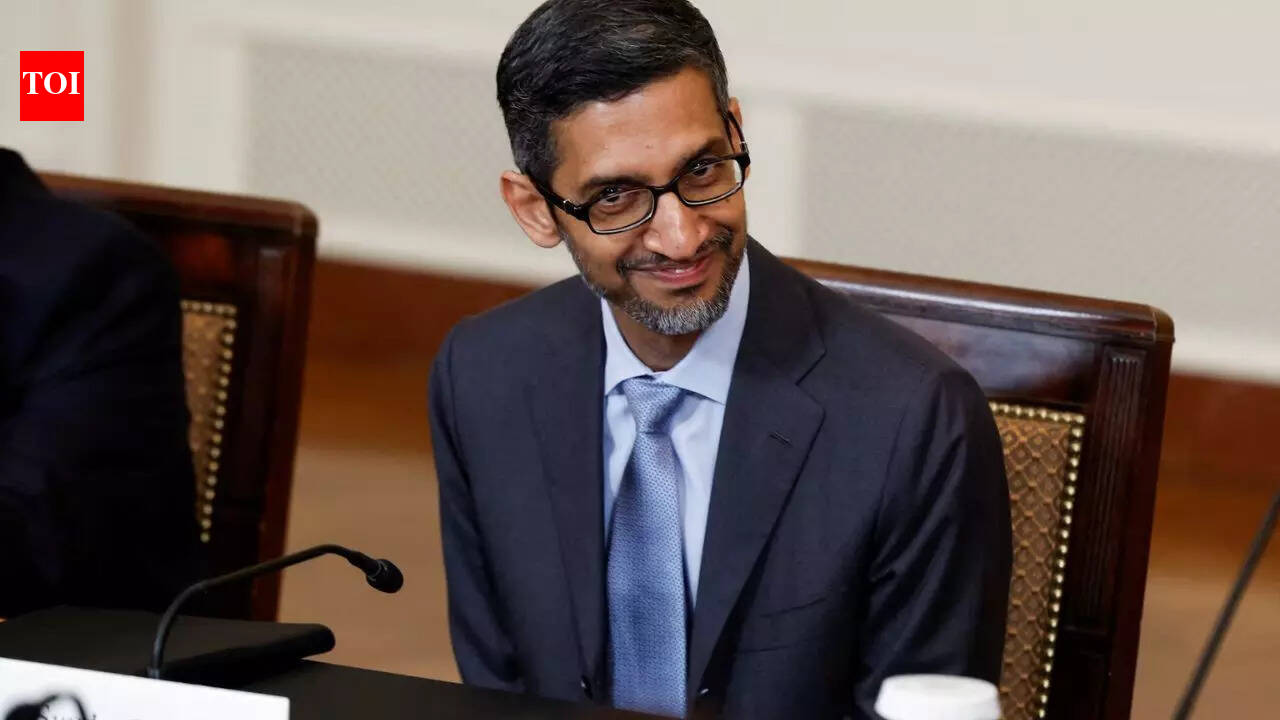
The notable thing here is the gap between message and audience: Google CEO Sundar Pichai used a graduation address to push back on AI-doom narratives, and was met with boos from the very entry-level cohort most exposed to AI-driven hiring cuts. Pichai said he disagrees with people painting a 'very troubled scenario' about AI and its effect on jobs, arguing the technology will augment workers rather than simply replace them. The remarks landed as recent-graduate unemployment sits near multi-year highs and several executives forecast deep entry-level cuts. For practitioners and job-seekers, the useful read is not the optimism itself but the friction it exposed - leadership reassurance is colliding with a labor market where AI-exposed entry roles increasingly demand skills that used to come later in a career.
Why this resonated
The substance of Pichai's message - that AI will augment rather than replace - is familiar from many tech executives. What made this moment notable is the reception: delivering that reassurance to a graduating class, the cohort most directly exposed to AI-related hiring slowdowns, surfaced an open tension between leadership optimism and the labor market new entrants actually face.
What he said
Google CEO Sundar Pichai addressed entry-level graduates and said he disagrees with people painting a 'very troubled scenario' about AI, according to the Times of India. He framed AI as a tool that makes workers who learn to direct it more valuable rather than less. American Bazaar reports that students interrupted parts of his remarks with boos, even as he acknowledged concerns about job losses and social disruption.
The context that complicates it
Pichai's optimism arrives against a backdrop of recent-graduate unemployment near multi-year highs as companies expand AI adoption, and forecasts from some executives of significant entry-level cuts. The friction is not whether AI creates value overall, which it plausibly does, but how the transition is distributed - and early-career workers appear to be bearing a disproportionate share of the adjustment.
What to watch
Watch hiring data for AI-exposed entry-level roles, the skills employers now expect of new graduates, and whether companies pair AI adoption with retraining pathways rather than simply trimming junior headcount. Those signals, not commencement rhetoric, will show whether the augment-not-replace framing holds for the people entering the workforce now.
Key Points
- 1Google CEO Sundar Pichai told graduates he disagrees with the 'very troubled scenario' some paint about AI and employment.
- 2He argues AI augments workers rather than replacing them, even as recent-graduate unemployment sits near multi-year highs.
- 3The booing he drew signals a credibility gap between executive optimism and entry-level workers facing AI-exposed hiring cuts.
Scoring Rationale
CEO public remarks touch on employment perceptions amid high-profile AI job concerns; notable for industry narrative but limited technical or research impact.
Sources
Public references used for this report.
Practice with real Ad Tech data
90 SQL & Python problems · 15 industry datasets
250 free problems · No credit card
See all Ad Tech problems