Study Validates Seven-Measure Diabetes Risk Screener
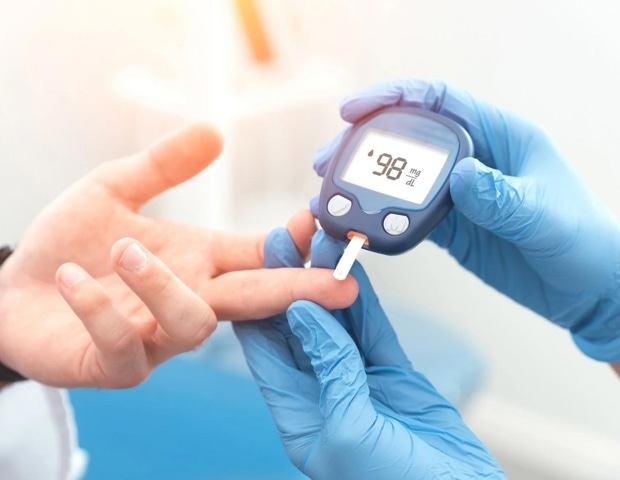
Researchers validated MEDWACS, a machine-learning screener that estimates the likelihood of prevalent prediabetes or diabetes from seven measurements people can obtain without a blood draw. The model posted ROC AUC values of 0.773 in a newer US sample and 0.780 in a Korean sample, but it is a risk-stratification tool intended to prompt clinical testing—not a diagnosis.
Researchers from the Technical University of Denmark, the University of Parma and the University of Michigan have developed and externally validated a machine-learning system for screening prevalent prediabetes or diabetes without collecting a blood sample.
The system, called the Machineborne Early Diabetic Warning And Control System, or MEDWACS, uses seven inputs: age, waist circumference, systolic blood pressure, sex, upper-leg length, arm circumference and body mass index. Upper-leg length is therefore one feature in a broader model, not a stand-alone diabetes test.
How the model was evaluated
The researchers developed the models with 30 years of US National Health and Nutrition Examination Survey data from 17,458 people. The outcome combined fasting plasma glucose of at least 100 mg/dL with HbA1c of at least 5.7%, covering both prediabetes and diabetes rather than distinguishing the two conditions.
A neural network performed best among the models evaluated. The final seven-input system achieved an internal ROC AUC of 0.804. External validation produced ROC AUCs of 0.773 in 3,043 people from the 2021-2023 US survey and 0.780 in 5,492 people from the 2023 Korea survey. Those results measure discrimination between people with and without the composite outcome; they do not mean the model is correct for nearly eight out of ten individuals.
Screening is not diagnosis
The paper presents MEDWACS as a way to identify people who may benefit from timely clinical evaluation. A high model score cannot establish diabetes, and a low score cannot rule it out. Diagnosis still depends on clinical assessment and validated laboratory testing.
For data and health-technology teams, the practical lesson is the trade-off between reach and precision. Easily collected inputs could reduce friction in population screening, while self-measurement error, demographic differences and the model's focus on prevalent disease remain important deployment limits. Any real-world use would need clear calibration, measurement instructions and an escalation path to professional care.
Key Points
- 1MEDWACS combines seven accessible inputs; upper-leg length is one feature and is not a stand-alone diabetes test.
- 2External ROC AUC was 0.773 in a newer US sample and 0.780 in a Korean sample.
- 3The model estimates prevalent prediabetes or diabetes risk and should prompt clinical testing rather than replace diagnosis.
Scoring Rationale
Peer-reviewed external validation across US and Korean survey samples gives the work practical screening relevance. Impact is moderated because the tool predicts a composite prevalent condition from self-reported or self-measured inputs and does not replace clinical diagnosis.
Sources
Primary source and supporting public references used for this report.
Practice with real Health & Insurance data
90 SQL & Python problems · 15 industry datasets
250 free problems · No credit card
See all Health & Insurance problems