New Brunswick MLA Reads Apparent AI Drafting Note in Speech
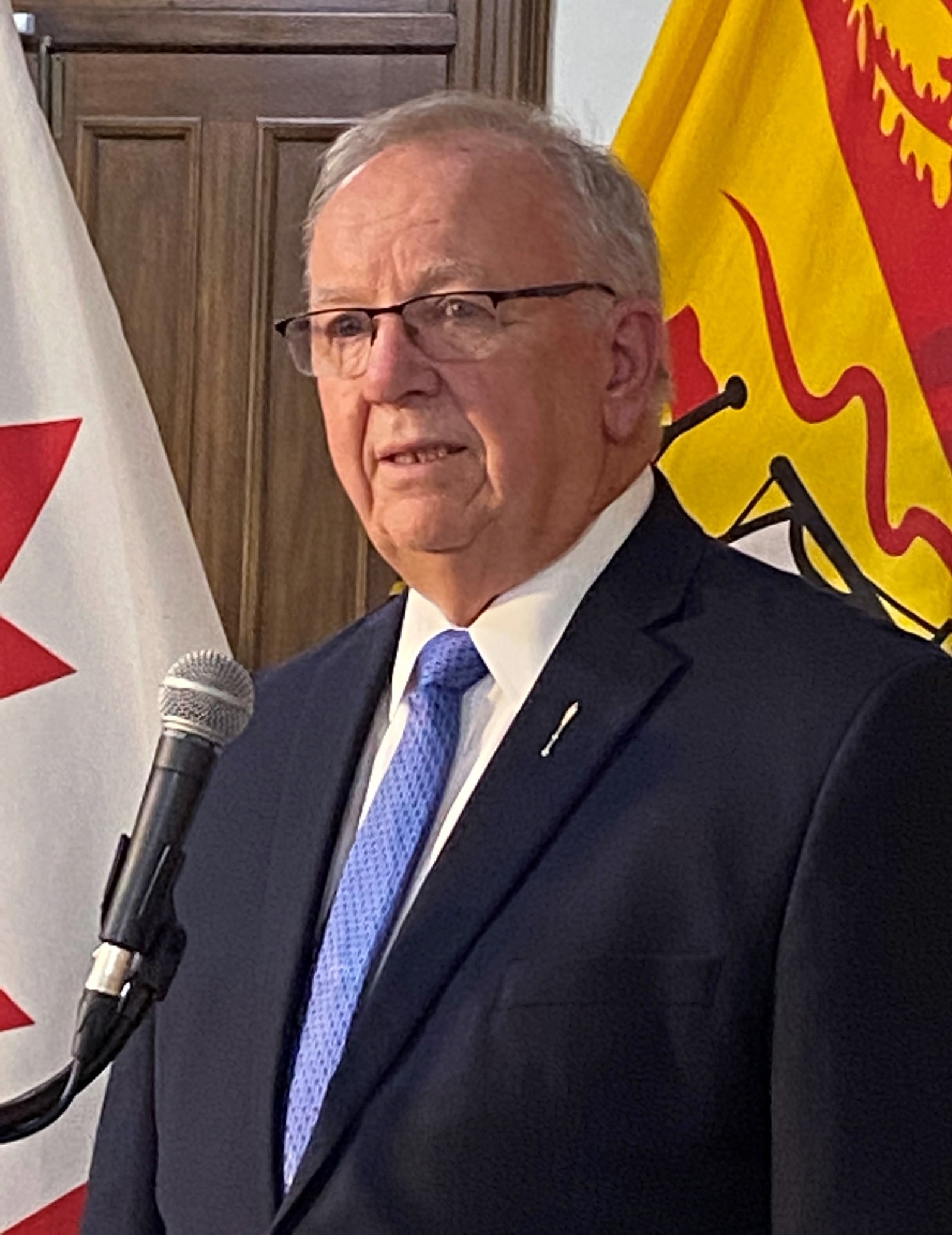
New Brunswick Progressive Conservative MLA Bill Oliver appeared to read an AI drafting instruction during a June 9 legislature speech about the province's child and youth advocate. Video of the passage spread online in late July; Oliver had not responded to The Canadian Press by July 29, and no public evidence identifies the tool used or whether Oliver or a staff member prepared the notes.
New Brunswick legislator Bill Oliver appeared to read an editing instruction associated with an AI chatbot while delivering a June 9 speech in the provincial legislature. The moment drew wider attention after video circulated online in late July.
What the recording supports
Oliver, a Progressive Conservative member of the Legislative Assembly, was speaking about public confidence in the Office of the Child, Youth and Senior Advocate. After one sentence, he read a line introducing a "more natural, flowing version" that would sound more like a legislative speech than a list of points.
The Canadian Press reported that two other passages in the same speech also sounded like drafting directions rather than prepared remarks. Its July 29 report said Oliver had not responded to a request for comment. Separate coverage from 1News and Futurism described the same recorded passage after the clip began circulating online.
The wording is consistent with text an AI writing assistant might place before a rewritten draft. It does not, by itself, establish which product was used, who entered a prompt, or whether Oliver or a staff member prepared the notes. The evidence supports describing the passage as apparent AI drafting residue, not attributing it to a specific model or person.
The operational lesson
The episode is a small but concrete example of a review failure in a high-accountability setting. A generated draft can preserve instructions, placeholders or unsupported statements that remain visible when the document is copied into a final script.
For teams using language models in public communications, the practical control is straightforward: keep a human owner for the final text, remove drafting metadata, check every factual claim against its source and rehearse the exact version that will be delivered. Those controls matter more than trying to infer authorship from the phrasing alone.
The public record currently shows an embarrassing passage and a viral response, not a disclosed government AI policy or a proven case of a particular chatbot writing the speech. Any stronger conclusion would require a statement from Oliver, his staff or the legislature.
Key Points
- 1Bill Oliver's June 9 legislature speech included wording that appeared to introduce an AI-assisted rewrite rather than address the chamber.
- 2The video spread online in late July, but no public evidence identifies the AI product or who prepared the notes.
- 3The incident illustrates why public-facing AI drafts need named ownership, source checking and a final line-by-line review.
Scoring Rationale
The recorded review failure is a timely, concrete example of AI-use risk in public communications and offers a clear governance lesson. Its direct technical impact is limited, and the available evidence does not identify the tool or document author.
Sources
Public references used for this report.
Practice interview problems based on real data
1,625 SQL & Python problems across 15 industry datasets — the exact type of data you work with.
Try 250 free problems