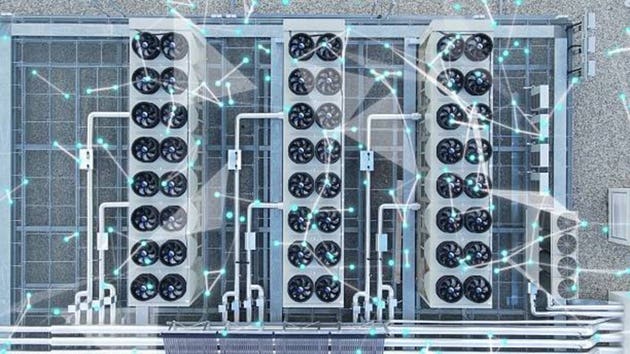
Study Raises Heat-Island Concerns Around AI Data Centers
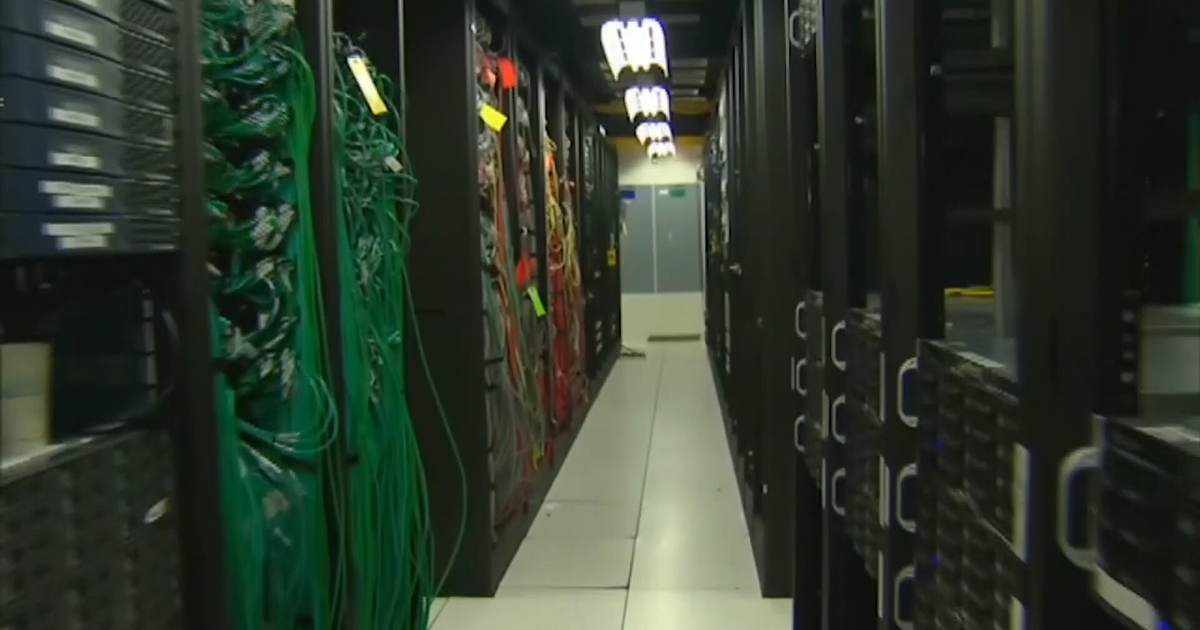
A new preprint led by researchers at the University of Cambridge found that large AI-focused data centers can produce localized "heat islands," raising land surface temperatures by an average of 3.6 F and, in some cases, as much as 16 F, WRAL reported. The researchers analyzed satellite land surface temperature data from 2004 to 2024 and compared those records with the locations of thousands of data centers, the story says. WRAL also reports that North Carolina already has more than 40 operating data centers and that planned and active capacity in the state could grow from roughly 3 gigawatts to nearly 6 gigawatts over the next decade, according to Duke Energy. The findings intersect with ongoing local debates in North Carolina, where several counties and towns have paused or placed moratoria on new data center approvals as they study land use, power, and quality-of-life impacts.
What happened
A new preprint led by researchers at the University of Cambridge found that large AI-focused data centers may create localized "heat islands," with satellite-derived land surface temperatures rising an average of 3.6 F after facilities begin operating and, in some cases, increasing by up to 16 F, WRAL reported. The research team analyzed satellite land surface temperature data from 2004 to 2024 and compared it with the geographic locations of thousands of data centers worldwide, WRAL says. The paper's authors wrote, "Our study shows a non-negligible and rather remarkable impact of the AI data centres on their local regions," in the study conclusion, according to WRAL.
WRAL reports that North Carolina has more than 40 operating data centers and that planned and active capacity could expand from roughly 3 gigawatts to nearly 6 gigawatts over the next decade, citing Duke Energy. WRAL also reports recent local actions: Orange County approved a one-year moratorium on data centers, and towns including Apex and Wendell and counties such as Chatham have paused or are reconsidering projects while studying impacts tied to land use, infrastructure, and quality of life.
Editorial analysis - technical context
Waste heat from servers and associated cooling infrastructure is a well-understood contributor to local thermal loads; satellite land surface temperature (LST) measurements capture surface heating effects that can diverge from air-temperature readings near vegetated or paved surfaces. Industry-pattern observations: Studies that compare LST before and after industrial-scale deployments can detect clear localized temperature changes but require careful controls for land-cover change, diurnal sampling biases, and confounding urbanization trends. For practitioners, reported 3.6 F average increases and occasional 16 F spikes are large enough to matter for site-level microclimate, cooling efficiency, and thermal management planning.
Editorial analysis - context and significance
The WRAL story places the preprint in an active policy environment in North Carolina, where community concerns about land use and energy demand are already influencing permitting and moratoria. Industry-pattern observations: When infrastructure projects raise local environmental concerns, regulators and utilities often require additional environmental review, grid-integration studies, or operational mitigations, which can affect project timelines and costs. For operations and sustainability teams, the research highlights a potential new vector for environmental externalities that intersects with existing debates over water use, electricity demand, and land development.
For practitioners - what to watch
Observe whether the preprint is peer-reviewed and replicated across regions; monitor utility interconnection studies and permitting outcomes in jurisdictions with active moratoria; track adoption of higher-efficiency cooling (including liquid cooling) and waste-heat reuse projects; and watch for regulatory guidance or updated environmental review requirements tied to localized thermal impacts. These indicators will clarify whether the reported LST effects translate into material constraints on data center siting or design.
Key Points
- 1A University of Cambridge-led preprint finds AI data centers can raise local land surface temperatures by an average of 3.6 F, sometimes up to 16 F.
- 2North Carolina faces rapid data center capacity growth, from roughly 3 GW to nearly 6 GW, fueling local moratoria and permitting pauses.
- 3For practitioners: reported surface-temperature effects amplify operational concerns around cooling, siting, and community-driven permitting constraints.
Scoring Rationale
The finding links AI infrastructure to measurable local environmental impacts, which matters for site selection, cooling design, and regulatory risk. The story is regionally focused but relevant to operations and sustainability teams planning large deployments.
Practice interview problems based on real data
1,625 SQL & Python problems across 15 industry datasets — the exact type of data you work with.
Try 250 free problems