WashU AI Classifier Differentiates Major Dementia Types
Researchers at Washington University School of Medicine developed an AI classifier that distinguishes between four common causes of dementia-Alzheimer's disease, Parkinson's disease, frontotemporal dementia, and dementia with Lewy bodies-as well as healthy brain aging, reporting over 90% accuracy (WashU Medicine; Futurity). The team selected a panel of 15 proteins measured in blood and trained and tested the model on blood-protein data from more than 3,200 individuals, per Futurity. The classifier can also detect coexisting disease processes, a frequent clinical challenge. The findings appear in the journal Alzheimer's & Dementia, and senior author Carlos Cruchaga is quoted on the limits of single-diagnosis approaches (WashU Medicine).
What happened
Researchers at Washington University School of Medicine developed an AI-based classifier that the team reports can distinguish among Alzheimer's disease, Parkinson's disease, frontotemporal dementia, dementia with Lewy bodies, and healthy brain aging, with reported accuracy above 90% (WashU Medicine; Futurity). The work appears in Alzheimer's & Dementia (WashU Medicine). The researchers say the model can identify when more than one neurodegenerative process is present in the same patient, a common and clinically challenging situation (WashU Medicine; Futurity). "Right now, many patients get labeled with a single diagnosis of, say, Alzheimer's or Parkinson's, but in reality their brains often show a mixture of disease injuries," said Carlos Cruchaga, per WashU Medicine.
Technical details
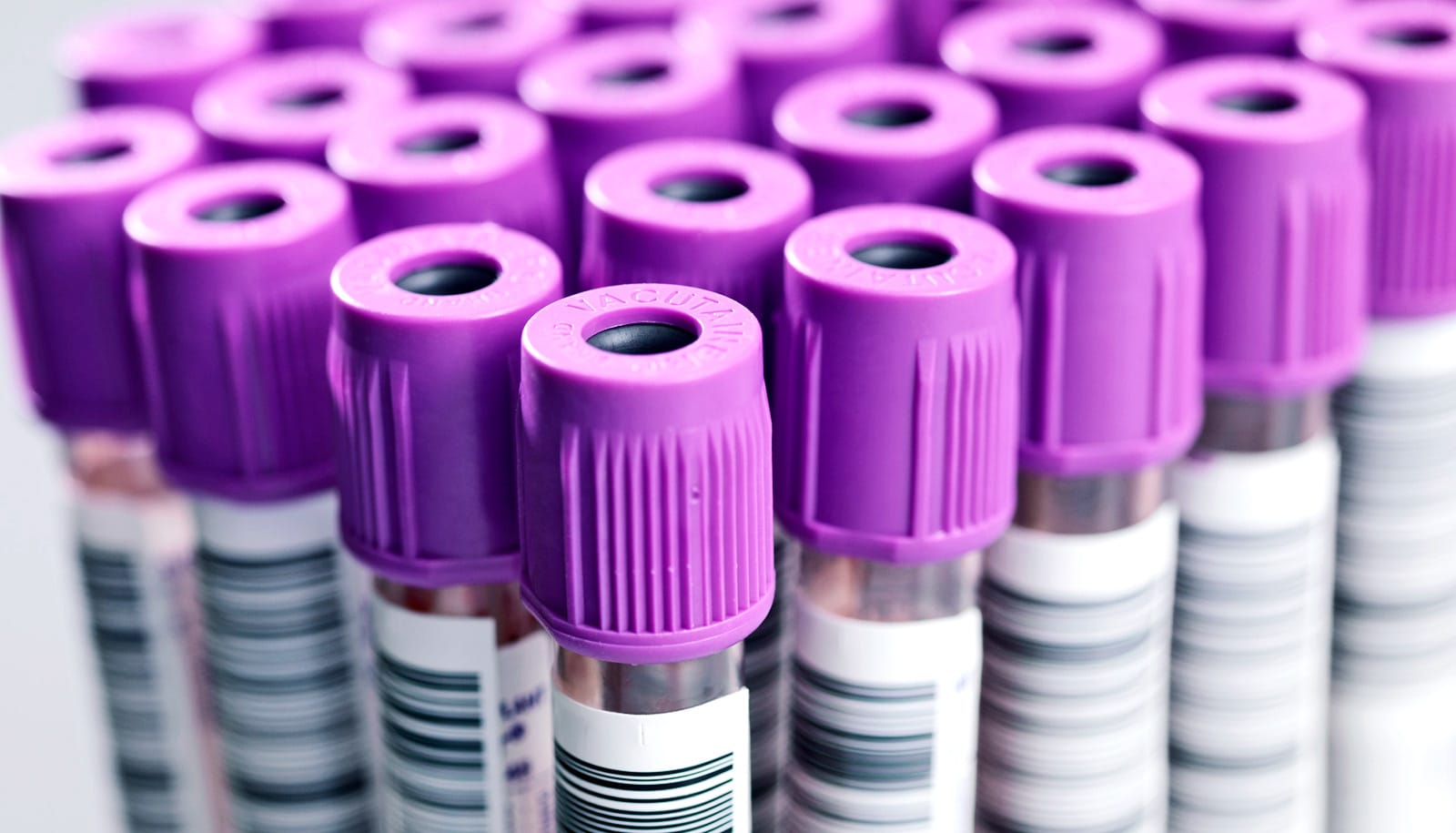
The team selected a set of 15 proteins measured in blood that the authors describe as reflecting Alzheimer's pathology, synapse and nerve damage, and inflammation (Futurity; WashU Medicine). Per Futurity, the classifier was trained and tested on blood-protein data from more than 3,200 individuals collected through a large research cohort. The paper and institutional release do not publish the classifier architecture details in the cited summaries; the sources emphasize the protein panel and cohort scale.
Editorial analysis - technical context
Blood-based biomarker panels combined with machine learning are an accelerating pattern in neurodegenerative research. Industry-pattern observations: such approaches can compress complex neuropathology into low-dimensional signals useful for screening and triage, but they commonly face reproducibility, preanalytical variability, and cohort-bias challenges that require multi-site validation and assay standardization before clinical deployment.
Context and significance
Industry context: A scalable, minimally invasive test that separates multiple dementia etiologies would affect clinical trial enrollment, longitudinal monitoring, and differential-treatment decisions in research settings. Observers will note that demonstration of diagnostic accuracy in retrospective or convenience cohorts is an early step; regulators and clinicians typically require prospective validation and performance replication across diverse populations.
What to watch
Watch for independent replication cohorts, prospective clinical trials, methods and code disclosure in the journal paper, analytical validation of the 15-protein assay, and any reported steps toward clinical-grade assay standardization or commercial partnerships. Washington University has not been quoted in the sources as announcing regulatory filing timelines (WashU Medicine; Futurity).
Key Points
- 1AI classifier distinguishes four dementia-causing diseases plus healthy aging, reporting over 90% accuracy, which could improve differential diagnosis.
- 2The model uses a targeted panel of 15 blood proteins trained on data from more than 3,200 individuals, enabling a low-cost, minimally invasive assay.
- 3Industry-pattern observations: blood-biomarker AI tools require multi-site validation, assay standardization, and prospective studies before routine clinical use.
Scoring Rationale
Notable applied-AI result with direct relevance to clinical diagnostics and biomarker research. The work demonstrates promising accuracy on a large cohort, but broader validation, regulatory review, and standardization are necessary before clinical adoption.
Sources
Public references used for this report.
Practice interview problems based on real data
1,625 SQL & Python problems across 15 industry datasets — the exact type of data you work with.
Try 250 free problems