Strobe Light Reveals Brain Constructing Visuals
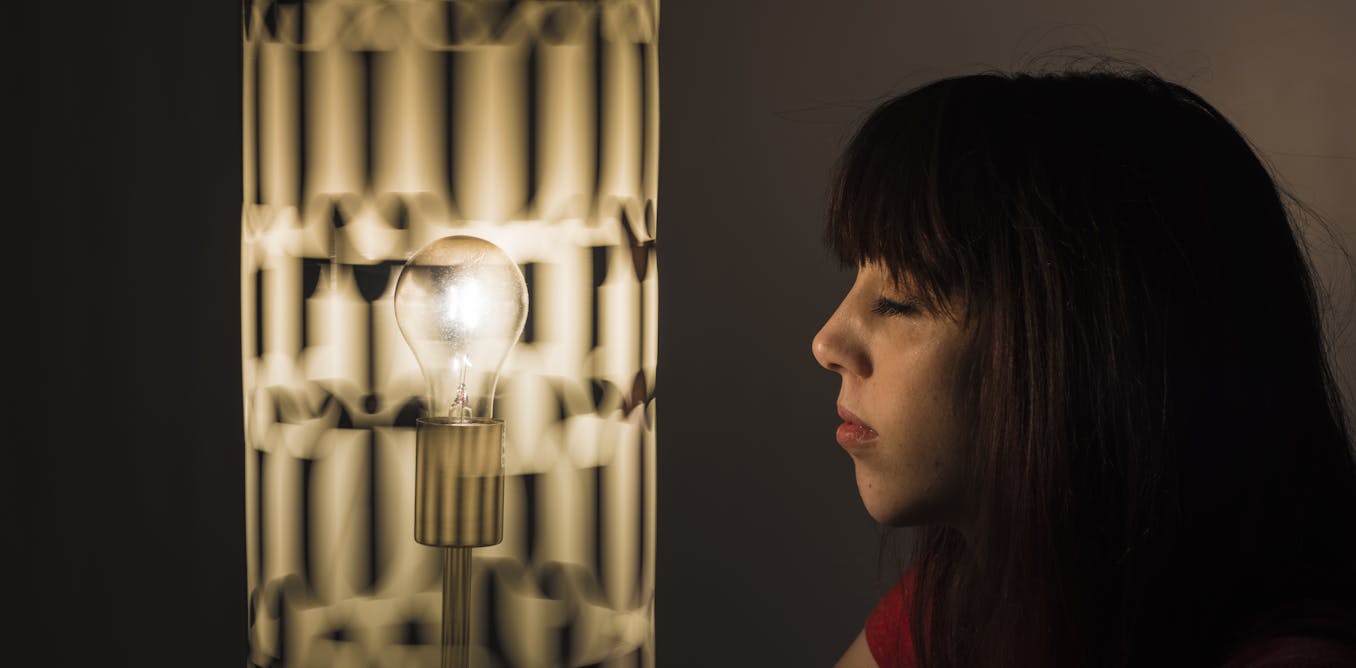
Researchers report that stroboscopic light delivered through closed eyelids at roughly 8 to 12 Hz reliably induces vivid visual hallucinations, from geometric patterns to complex scenes. A 2022 large-scale Dreamachine installation involved more than 40,000 participants and produced over 10,000 drawings, which were clustered with machine learning to identify recurring motifs. Ongoing studies investigate therapeutic potential for depression and Alzheimer's while monitoring safety risks like photosensitive epilepsy.
Key Points
- 1Induces: Stroboscopic light at roughly 8 to 12 Hz elicits consistent geometric and complex visual hallucinations.
- 2Explains: Synchronised brain rhythms show how perception emerges from internal predictions and altered sensory input.
- 3Enables: Large-scale Dreamachine data and machine-learning clustering support early therapeutic exploration for depression and Alzheimer's.
Scoring Rationale
Large-scale public dataset and ML clustering provide novel insights, but findings remain preliminary and clinical effectiveness is unproven.
Practice interview problems based on real data
1,625 SQL & Python problems across 15 industry datasets — the exact type of data you work with.
Try 250 free problems