Researchegsgrid integrationstanfordrenewable energy
Stanford Proposes Enhanced Geothermal For Clean Power
8.2
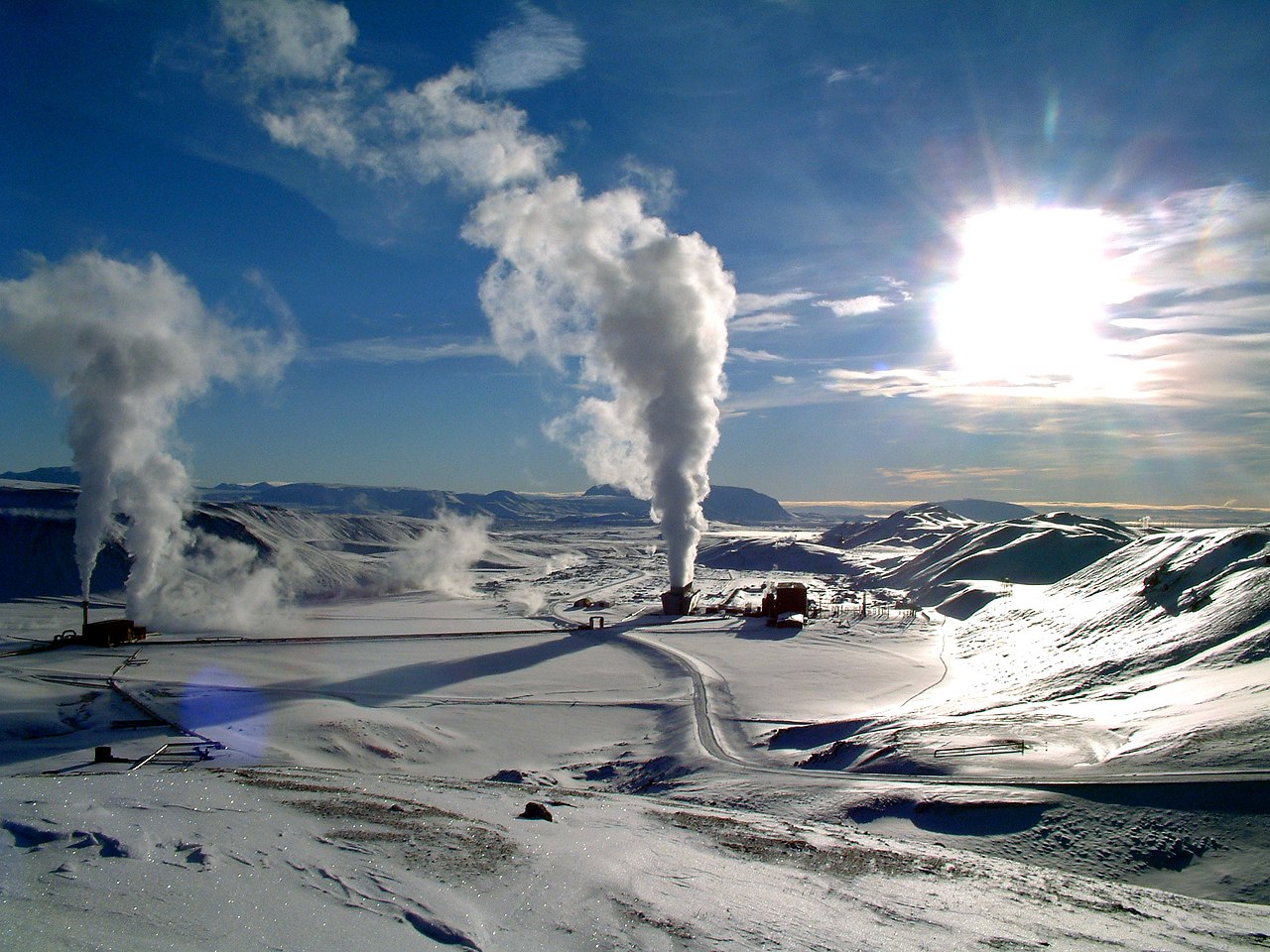
A Stanford University study finds enhanced geothermal systems (EGS) can deliver continuous, low-cost electricity with lower land use and maintenance requirements. The report models that at roughly 10% national penetration EGS reduces wind needs 15%, solar 12%, and battery reliance 28%, estimates at least 60% savings versus fossil fuels, and anticipates economic viability by about 2035.
Key Points
- 1Models show EGS at 10% penetration reduces wind 15%, solar 12%, battery reliance 28%
- 2Provides continuous baseload power with lower land use and cheaper maintenance than fossil fuels
- 3Enables reliable off-grid data-center power and could substitute or complement nuclear generation
Scoring Rationale
Strong system-level relevance and credible institutional source, limited by current scalability and commercialization timelines.
Practice interview problems based on real data
1,625 SQL & Python problems across 15 industry datasets — the exact type of data you work with.
Try 250 free problems