South Korea Arrests Man Over Fake AI Wolf Photo
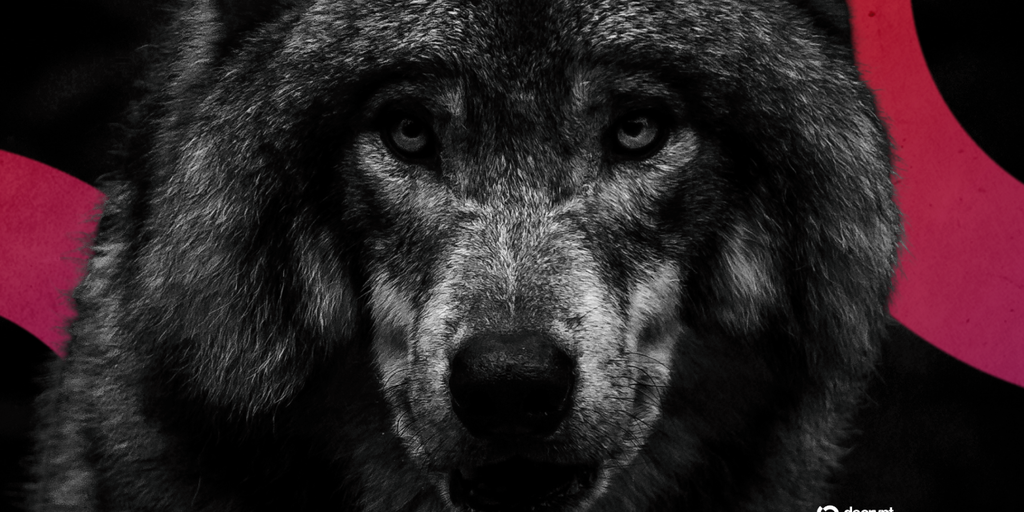
South Korean police arrested a man in his 40s on April 23 for distributing an AI-generated image that misled authorities searching for a wolf named Neukgu, AFP and regional outlets reported. The fabricated photo circulated hours after Neukgu escaped from Daejeon O-World zoo on April 8 and prompted an emergency text warning and a nine-day diversion of search resources, according to the Daejeon Metropolitan Police Agency as reported by The Straits Times and CNA. Police identified the suspect using CCTV footage and records of his generative-AI program usage, and local media quoted him as saying he did it "for fun". BBC noted the offence can carry up to five years in prison or a 10 million won fine.
What happened
South Korean authorities arrested a man in his 40s on April 23 for creating and distributing an AI-generated image that purported to show the escaped wolf Neukgu, the Daejeon Metropolitan Police Agency told AFP and regional outlets including CNA and The Straits Times. Neukgu, a two-year-old wolf from O-World zoo, escaped on April 8 and was recaptured nine days later, the city government and news reports said. The manipulated image circulated widely hours after the escape and led Daejeon city officials to send an emergency text message warning residents about a wolf near an intersection, reporting by The Straits Times and Chosun Ilbo shows.
Police told AFP and BBC they traced the fake image to the suspect by cross-referencing CCTV footage and his usage records for a generative-AI program. Local coverage quoted the man as saying he generated and shared the image "for fun," and the police noted that the image contributed to a delayed capture and distracted search operations, citing an impact of nine days of diverted effort (The Straits Times, CNA, Chosun, BBC). BBC reported that the charge, obstructing official duties by deception, carries up to five years in prison or a maximum fine of 10 million Korean won.
Editorial analysis - technical context
Generative-image tools can produce photorealistic animal imagery that is visually plausible in context, a property that makes them effective vectors for misinformation in real-world incidents. Industry-pattern observations: practitioners have repeatedly found that even a single credible-looking synthetic image can trigger human-in-the-loop actions (media pickups, government alerts, volunteer searches) because visual evidence carries outsized persuasive weight compared with text-only reports.
Forensic tracing of synthetic-content authorship in this case relied on traditional digital-investigation techniques, CCTV correlation and metadata or usage logs tied to AI tools, rather than any single technical watermark, as reported by BBC and Chosun. Editorial analysis: this mirrors broader investigative practice where operational telemetry and human investigative work remain central to attribution when model fingerprints are weak or absent.
Context and significance
the incident highlights a convergence of generative-AI image realism, rapid social amplification, and existing public-safety workflows. Reporting across AFP, BBC, CNA, The Straits Times, and Chosun shows how an AI-manipulated image moved from a private channel into official briefings and emergency alerts, amplifying its operational impact. Observed patterns in similar events indicate that public agencies and media outlets are still developing robust verification steps for imagery before issuing time-sensitive guidance.
From a risk-management perspective, the episode is a clear example of how synthetic media can impose real costs on emergency services, including redeployment of personnel, expanded search areas, temporary school closures, and public alarm (Chosun, The Straits Times). For practitioners building detection or provenance systems, the case reinforces that visual-detection models must be paired with process controls: provenance metadata, fast cross-checking of sighting reports against camera networks, and audit trails for how material reaches official channels.
What to watch
For practitioners
monitor whether local and national agencies update verification protocols for imagery cited in operational alerts, including requirements to cross-check user-supplied photos against CCTV and other sensors before issuing citywide messages. Industry observers should also watch for legal or regulatory follow-ups; BBC reported existing criminal penalties under obstruction statutes are being applied in this case.
For detection and forensics teams: expect demand for tooling that links generative-model telemetry to user accounts and that augments visual classifiers with contextual signals (time, geolocation plausibility, cross-camera confirmation). Editorial analysis: organizations that combine automated detection with rapid human verification and telemetry-oriented logging will reduce the window in which synthetic content can cause operational harm.
Bottom line
This incident is a concrete example of generative-AI misuse producing immediate public-safety consequences and prompting law-enforcement action, with investigations relying on classic digital forensics in parallel with emerging synthetic-media concerns, as reported by multiple international and regional outlets.
Key Points
- 1A single credible AI-generated image can trigger official emergency alerts and redirect time-sensitive search operations, imposing tangible public-safety costs.
- 2Investigations in this case used CCTV correlation and AI usage logs rather than a model watermark, underscoring the role of telemetry in attribution.
- 3Organisations combining fast human verification with provenance checks reduce the risk window where synthetic media can cause operational disruption.
Scoring Rationale
Notable misuse case showing generative-image harms to public-safety operations and legal enforcement, relevant for forensic, detection, and emergency-response practitioners.
Sources
Public references used for this report.
Practice interview problems based on real data
1,625 SQL & Python problems across 15 industry datasets — the exact type of data you work with.
Try 250 free problems