Seattle enacts one-year moratorium on AI data centers
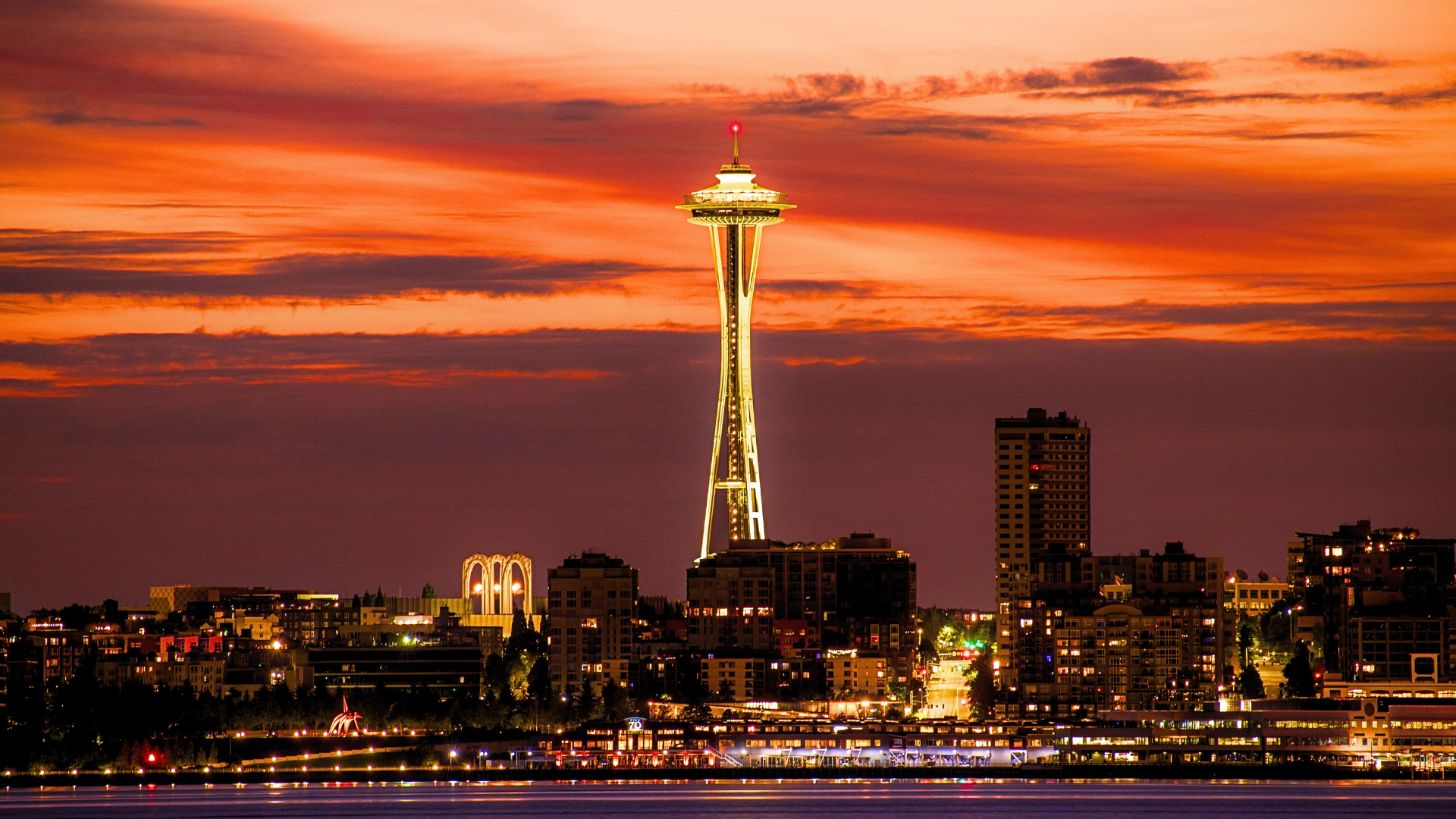
Seattle's City Council moved this week to impose a one-year moratorium on new large data centers, with committee approval ahead of a full council vote on Tuesday, June 9, 2026, according to Tom's Hardware and The Guardian. Reporting by The Guardian and Axios says four companies proposed five large facilities that together would require roughly 369 megawatts of power, about one-third of Seattle's current average daily demand. The measures, approved unanimously in committee, pair the temporary pause with a resolution to draft rules on electricity, water, noise, and other community impacts while the moratorium is in effect (The Guardian, KUOW, Axios). Amazon employees and local activists have publicly testified in favor of stricter oversight, according to Wired and KUOW.
What happened
According to reporting in The Guardian and Tom's Hardware, Seattle city council committees this week unanimously approved a one-year moratorium on the construction of new, large-scale datacenters inside city limits; the measures head to a full council vote on Tuesday, June 9, 2026, per Tom's Hardware.
Per The Guardian and Axios, four companies have proposed building five major datacenters in areas served by Seattle City Light, and Axios reports those projects could require about 369 megawatts of power, roughly one-third of the city's current average daily electricity demand.
KUOW and Tom's Hardware report that the moratorium includes an accompanying resolution directing staff to study environmental and economic impacts and draft targeted regulations, and that a recent amendment would allow existing datacenters to expand while blocking new large projects. Wired and KUOW document public testimony, including from Amazon employees and local climate activists, urging limits and greater transparency on proposed facilities.
Editorial analysis - technical context
Cities confronting proposals for sprawling server farms typically focus on a narrow set of technical impacts: cumulative electricity draw, local grid stability, on-site substation requirements, and water or cooling infrastructure. Industry-pattern observations: municipalities that pause projects to study impacts use the window to quantify incremental load, model demand-response or storage contributions, and draft utility interconnection and permitting thresholds tailored to high-density compute loads. For practitioners, those are the lever points-energy procurement, interconnection timelines, and physical-site constraints-where project viability is most frequently tested.
Industry context
Industry coverage frames Seattle's move as part of a growing nationwide trend of local governments reconsidering large datacenter siting amid the AI compute boom (The Guardian). Reporting highlights this as an unusual development for a major tech hub that hosts headquarters for companies such as Amazon and Microsoft; Wired documents atypical public activism from current tech employees seeking regulation. Observed patterns in similar transitions: other jurisdictions have used moratoria to negotiate community benefits, local taxes, or renewable-energy and storage requirements before permitting large projects.
What to watch
Observers will follow the full council vote scheduled for June 9, 2026 (Tom's Hardware) and whether the council's study yields specific numeric thresholds for electricity, water use, or emissions. Also monitor whether the proposed projects are withdrawn or revised, how Seattle City Light models and allocates capacity, and whether negotiated community concessions (e.g., requiring additional renewables or on-site storage) appear in draft regulations. For regional infrastructure planners and cloud operators, the key signals will be finalized interconnection rules, timeline extensions from permitting, and any precedent-setting conditions other cities might emulate.
Key Points
- 1Municipal moratoria pause proposed AI datacenters, giving cities time to quantify grid and environmental impacts before permitting large projects.
- 2Large urban datacenter proposals raise concentrated electricity demand and interconnection complexity, prompting scrutiny of utility capacity and siting rules.
- 3Worker and community activism can shift local politics quickly, turning proposed projects into leverage for stronger permitting conditions.
Scoring Rationale
A one-year moratorium in a major tech hub is a notable development for infrastructure planning and energy allocation. It creates precedent for municipal control over large AI-related buildouts and materially affects site-selection and permitting timelines for practitioners.
Sources
Public references used for this report.
Practice with real Telecom & ISP data
90 SQL & Python problems · 15 industry datasets
250 free problems · No credit card
See all Telecom & ISP problems