Scientists Reclassify Prototaxites As Extinct Lineage
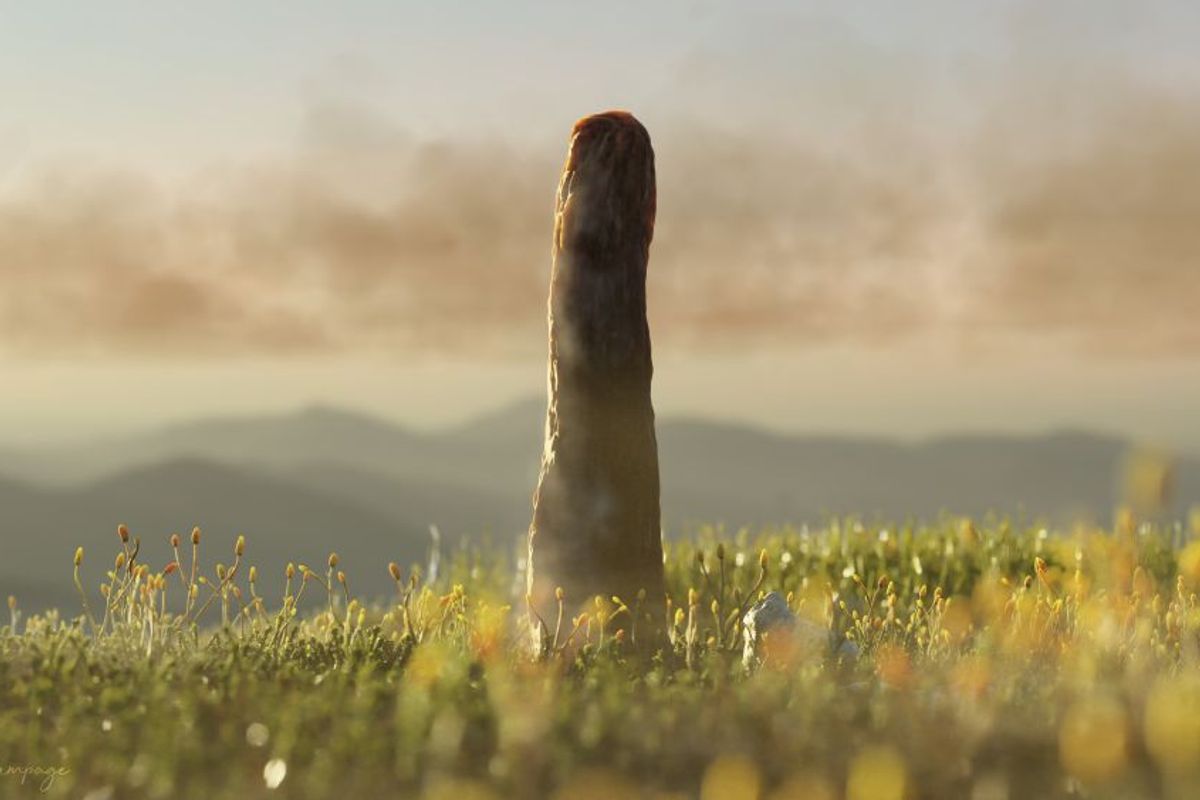
Researchers published a study in Science Advances identifying Prototaxites, a 407-million-year-old Rhynie chert fossil species (Prototaxites taiti), as chemically and anatomically distinct from fungi and plants. Using 3D laser imaging and a machine-learning chemical fingerprint model, they found three tube types and absence of fungal compounds like chitin and glucan. The team concludes Prototaxites represents an independent, now-extinct multicellular lineage, reshaping views of early terrestrial ecosystems.
Key Points
- 1Identify Prototaxites as chemically and anatomically distinct from fungi and known plants
- 2Show absence of fungal biomarkers (chitin, glucan) and reveal three distinct tube types
- 3Impacts paleoecology by establishing an independent extinct multicellular lineage, revising early ecosystem models
Scoring Rationale
High novelty with peer-reviewed methods, but findings remain niche to paleontology and not widely actionable.
Sources
Public references used for this report.
Practice interview problems based on real data
1,625 SQL & Python problems across 15 industry datasets — the exact type of data you work with.
Try 250 free problems