Scientists Develop LifeTracer To Classify Biosignatures
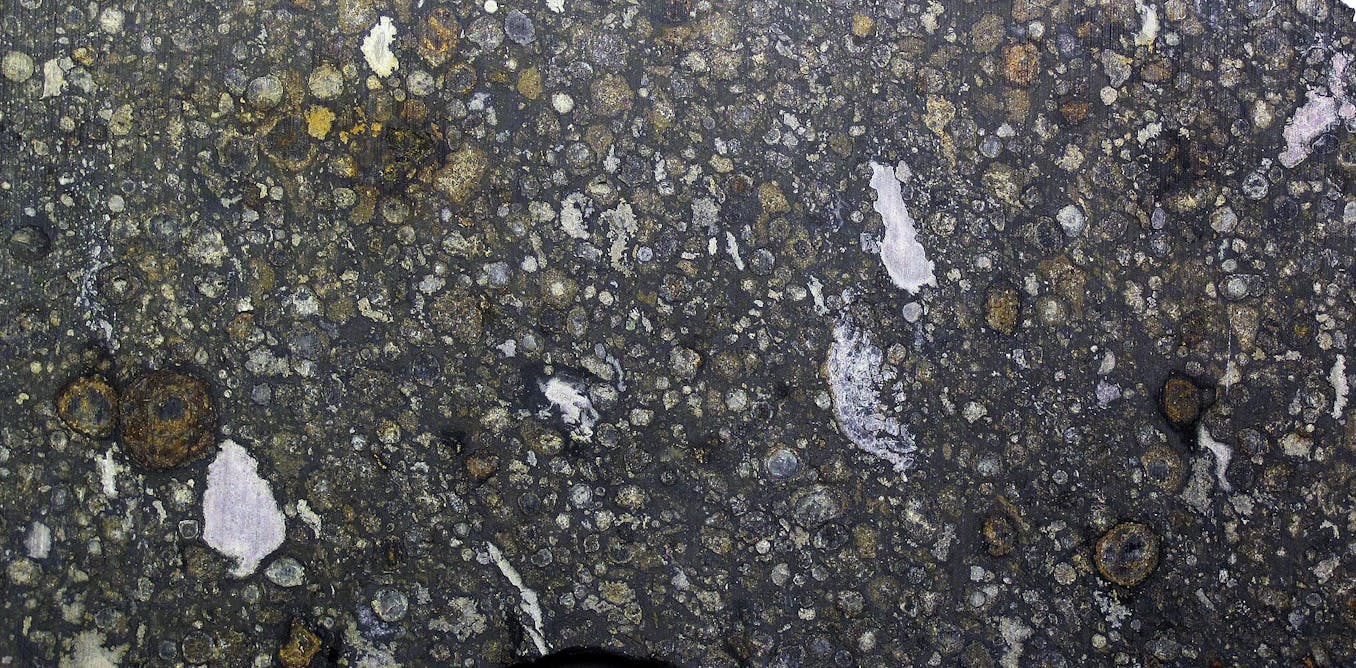
In a 2025 PNAS Nexus study, researchers introduce LifeTracer, a machine-learning framework that classifies whether complex organic mixtures are abiotic or biotic by analyzing mass-fragment patterns rather than reconstructing individual molecules. Trained on 18 samples (eight carbon-rich meteorites and ten terrestrial soils), LifeTracer reliably distinguished meteorite from terrestrial signatures, highlighting pattern-level differences such as volatility and sulfur-containing markers; this aids interpretation of returned samples like OSIRIS-REx's Bennu material.
Key Points
- 1Demonstrates LifeTracer classifies complex organics as abiotic or biotic using mass-fragment pattern matrices.
- 2Shows that whole-mixture organization, not single molecules, differentiates life-derived chemistry from abiotic sources.
- 3Enables mission teams to prioritize samples and develop robust biosignature workflows for returned extraterrestrial materials.
Scoring Rationale
High methodological novelty and peer-reviewed validation, but limited sample size and current domain-specific scope constrain generality.
Sources
Public references used for this report.
Practice interview problems based on real data
1,625 SQL & Python problems across 15 industry datasets — the exact type of data you work with.
Try 250 free problems