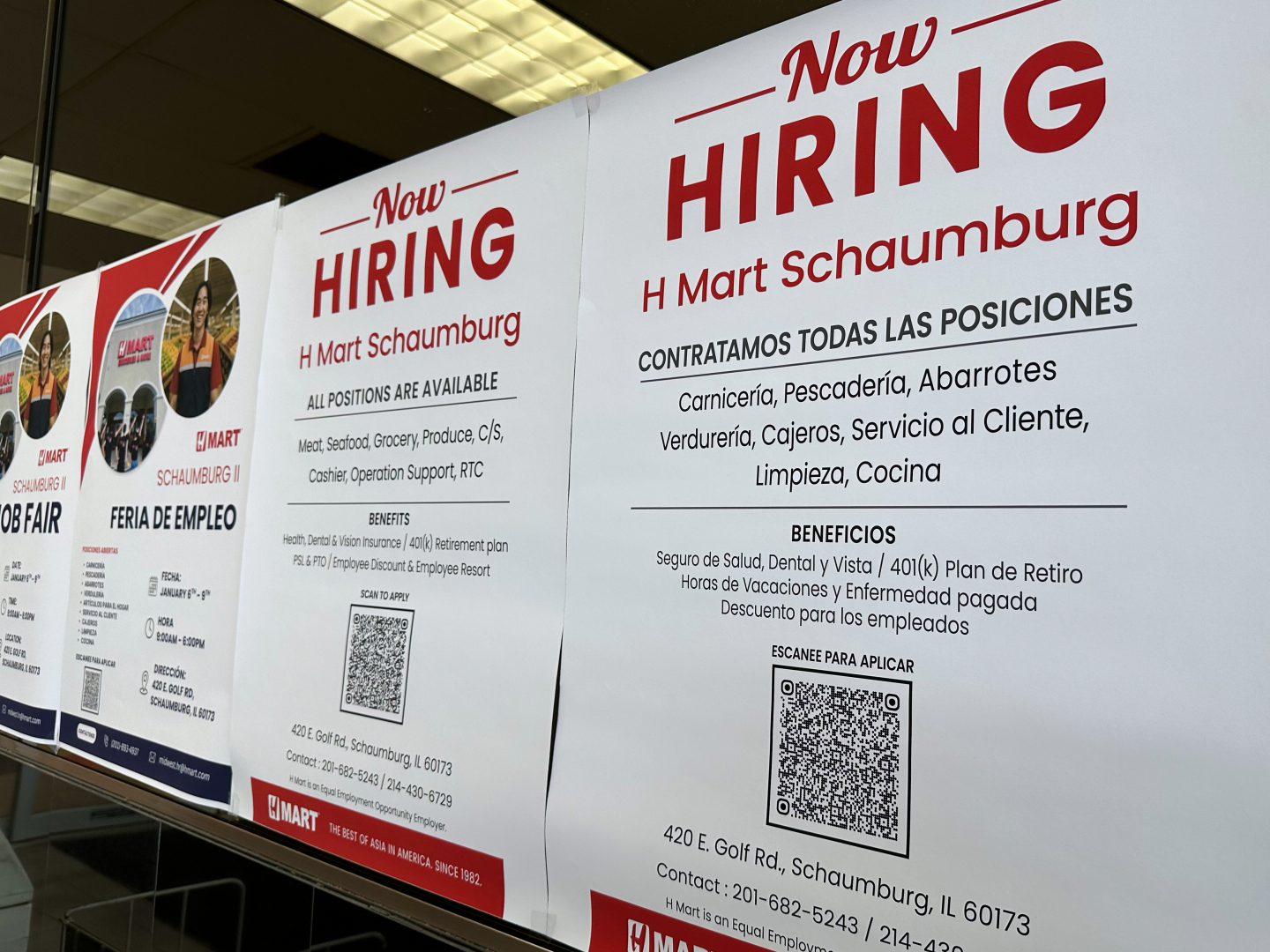
Restaurants Turn to AI to Solve Staffing Shortages

PYMNTS reports that the restaurant industry continues to face acute labor pressure: the sector employed 15.9 million workers in 2025 and average annual turnover topped 75%, with quick-service restaurants regularly exceeding 130%. An industry association's 2026 report, cited by PYMNTS, found 80% of operators were short at least one position in 2025, the average operator carried five open roles (up from 3.8), and average training cost per hire was $3,037. PYMNTS describes a Miami-based entrant called MAJC that combines AI-powered job-matching, training and community tools as an integrated workforce platform aimed at hospitality operators.
What happened
PYMNTS reports that staffing shortages, high turnover and retention problems continue to strain restaurant economics. PYMNTS reports the sector employed 15.9 million workers in 2025, with average annual turnover at 75% and quick-service turnover regularly exceeding 130%. An industry association's 2026 report, cited by PYMNTS, found 80% of operators had at least one open position in 2025, an average of five open roles per operator (up from 3.8), and average training cost per hire of $3,037.
What was announced
PYMNTS describes a Miami-based company called MAJC that, according to PYMNTS, combines AI-powered job-matching, training and community features into a single workforce platform for hospitality professionals. PYMNTS reports MAJC launched with a culinary council led by a James Beard Award-winning chef and a Chief People Officer, and cites a February source describing MAJC as the world's largest full-service restaurant company.
Editorial analysis - technical context
Companies building hiring and retention platforms for high-turnover sectors typically pair algorithmic matching with onboarding automation, training modules and scheduling optimization to reduce time-to-fill and improve early retention. Industry deployments often hinge on data quality from applicant tracking systems, POS logs and scheduling tools, and on integration with payroll and shift-management systems.
Industry context
Observed patterns in comparable transitions show operators prioritize reliability and measurable labor-efficiency gains over headline AI features. Vendors that deliver measurable reductions in time-to-hire, training hours or no-shows tend to gain traction first, while broader cultural shifts (career ladders, benefits) remain outside purely technical fixes.
What to watch
For observers, relevant indicators will include measured changes in time-to-fill and first-90-day retention reported by operators, integration breadth with existing HR and POS systems, and any third-party validation studies of matching accuracy and training efficacy. PYMNTS did not quote MAJC executives on rationale in the scraped article, and MAJC's public statements should be checked for methodology and performance claims.
Key Points
- 1Restaurants face structurally high turnover, with 75% average annual turnover and quick-service above 130%, creating persistent hiring demand.
- 2Vendors are packaging AI matching, training and community features into single workforce platforms to attack both hiring and retention simultaneously.
- 3For operators, measurable gains in time-to-fill and early retention determine adoption more than novelty AI features, making integration and data quality critical.
Scoring Rationale
The story highlights important applied-AI work in a large, high-turnover sector where operational gains can be material for practitioners and vendors. It is notable but not frontier-level model or infrastructure news.
Practice with real Food Delivery data
90 SQL & Python problems · 15 industry datasets
250 free problems · No credit card
See all Food Delivery problems