Researchers Examine Simulation Hypothesis And Evidence
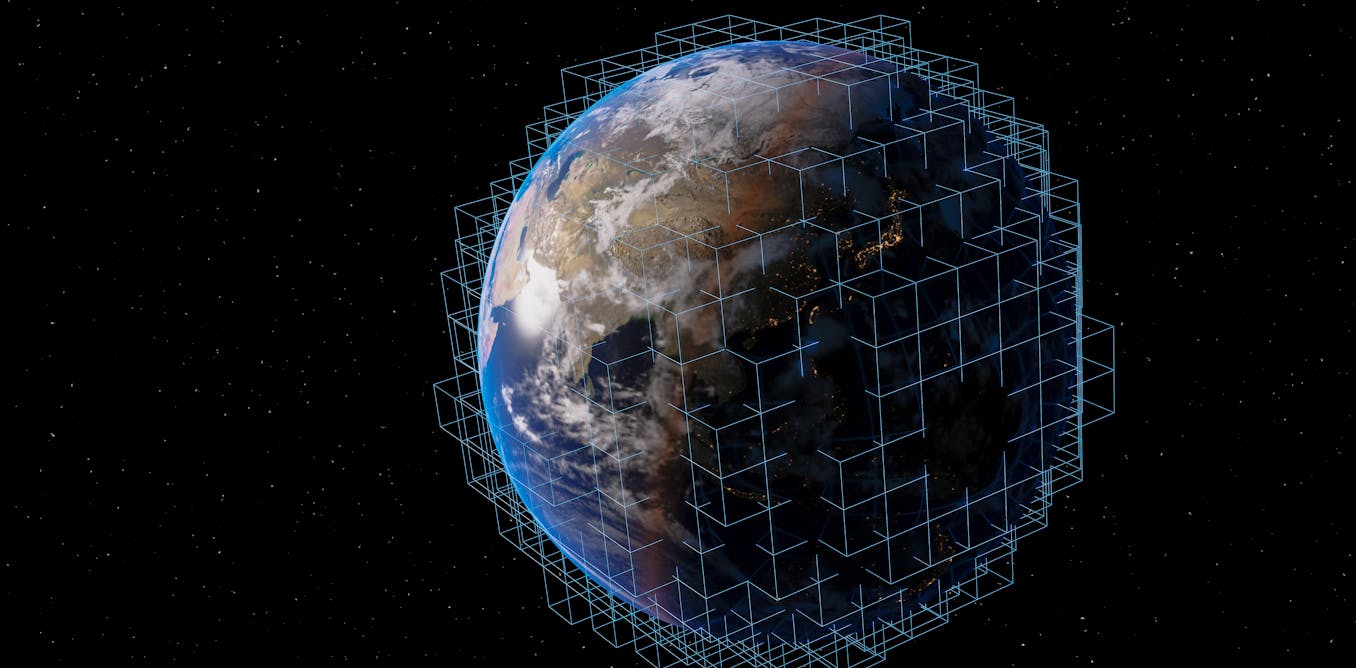
A physicist explains Nick Bostrom's simulation hypothesis, arguing that future civilizations could simulate trillions of conscious human lives, making it statistically likely we might inhabit a simulation. The article outlines supporting observations—computing trends, Planck-scale limits and the observable-universe horizon—and presents skeptical counterarguments about technological feasibility and the absence of empirical proof, while noting interest from public figures like Neil deGrasse Tyson and Elon Musk.
Key Points
- 1Summarizes Bostrom's argument that future civilizations could run trillions of realistic human simulations.
- 2Highlights technological trends and physical limits as reasons simulations appear plausible to some thinkers.
- 3Suggests practitioners assess philosophical implications but recognize lack of empirical evidence and feasibility challenges.
Scoring Rationale
Clear explanatory value and reputable source; limited novelty and no empirical evidence constrain practical impact.
Practice interview problems based on real data
1,625 SQL & Python problems across 15 industry datasets — the exact type of data you work with.
Try 250 free problems