AI Transforms Cancer Imaging Diagnostics Accuracy
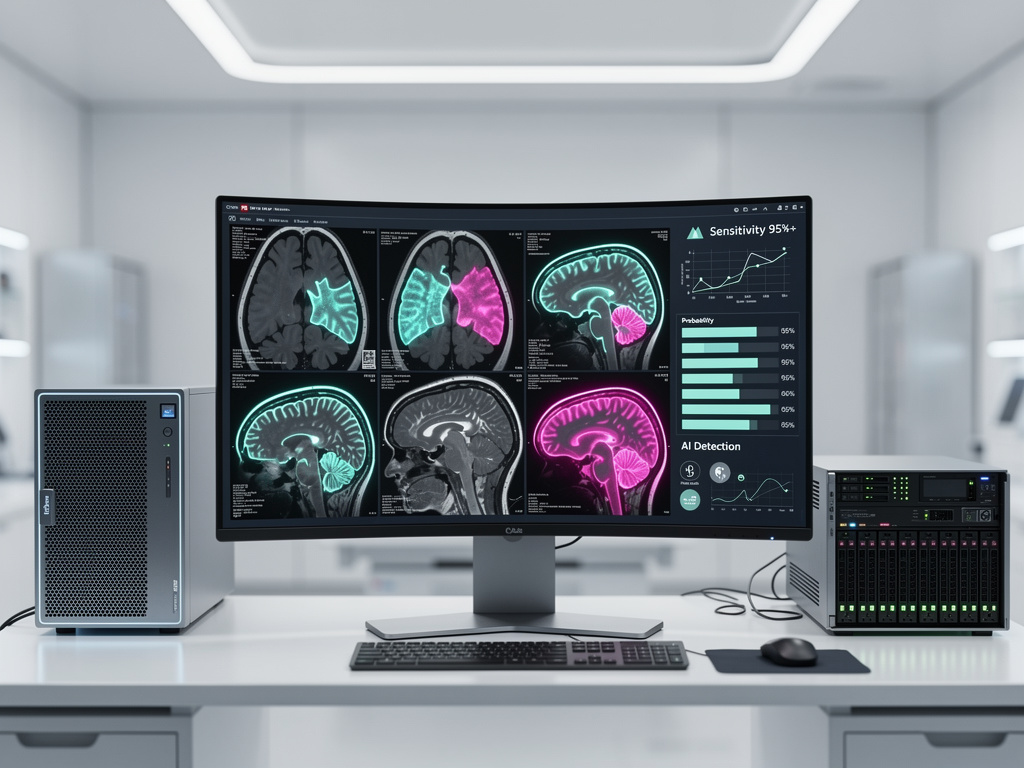
Researchers published in Nature Communications Medicine show deep learning models can detect subtle cancerous lesions, achieving sensitivity rates exceeding 95% for certain cancers. The study evaluated thousands of annotated images across diverse populations and imaging modalities, reporting higher sensitivity and lower false positives than traditional screening. These validated results suggest AI could improve early detection, reduce unnecessary follow-ups, and broaden access to high-quality diagnostics.
Key Points
- 1Demonstrate AI models detect subtle cancer lesions with sensitivity exceeding 95% in some cancers.
- 2Improve diagnostic accuracy and lower false positives, addressing sensitivity and specificity limitations of screening.
- 3Enable clinicians to triage cases, reduce unnecessary biopsies, and extend specialist capacity in underserved areas.
Scoring Rationale
High novelty and peer-reviewed evidence drive score, though implementation, regulatory, and generalizability challenges limit immediate clinical impact.
Practice with real Health & Insurance data
90 SQL & Python problems · 15 industry datasets
250 free problems · No credit card
See all Health & Insurance problems