Preity Zinta Seeks Court Orders to Remove AI Deepfakes
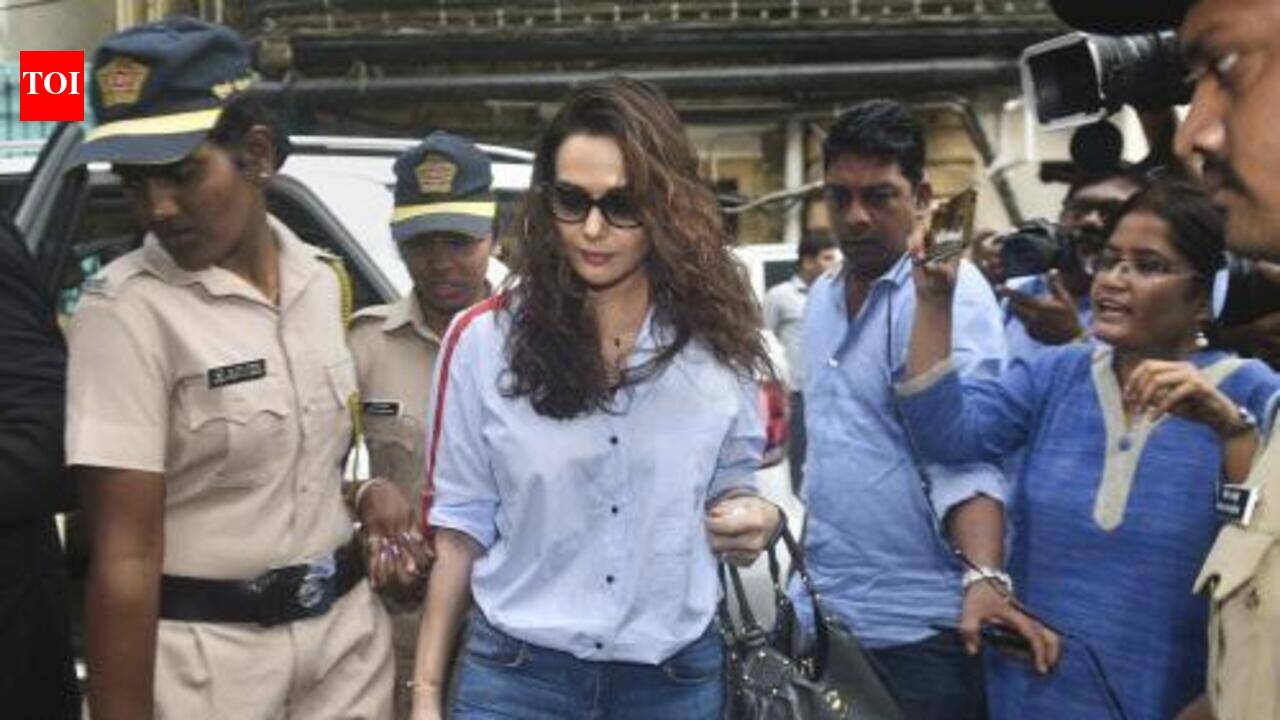
Actor Preity Zinta has asked the Bombay High Court to order Google, Meta, X Corp and other respondents to take down AI-generated deepfake videos, morphed images and chatbot personas using her likeness, and on July 3, 2026 Justice Madhav Jamdar said she has made a case for protective relief. The court directed the parties to devise a practical takedown protocol that balances removing infringing content with protecting lawful material, with orders expected July 6, 2026. Counsel for Google and Meta said they would remove URLs the plaintiff identifies but opposed a blanket takedown order. The suit follows a June 16, 2026 ruling letting Zinta sue under the court's original jurisdiction, and the eventual protocol could become a practical template for how platforms handle deepfake takedown requests in India.
For trust-and-safety, legal-ops and moderation engineering teams operating in India, this case is a live test of how deepfake takedown obligations get engineered in practice rather than just written into regulation. The Bombay High Court's push for a jointly devised takedown protocol, and its willingness to treat AI-generated chatbot personas as a personality-rights harm alongside video and image deepfakes, previews the kind of order-level technical requirements platforms may face next.
What happened
Actor-producer Preity Zinta is pursuing a civil suit in the Bombay High Court against Google, Meta, X Corp, domain-name registrars and identified infringers over AI-generated deepfake videos, morphed images and chatbot-style personas using her likeness, according to Bar and Bench and Free Press Journal. At a July 3, 2026 hearing, Justice Madhav Jamdar said Zinta had made out a case for protective relief and directed all parties to confer on a practical mechanism to remove genuinely infringing material while leaving lawful content undisturbed; he indicated he would pass orders on July 6. Senior advocate Venkatesh Dhond, appearing for Zinta, sought urgent ex parte takedown directions, John Doe orders against unidentified infringers, and a broader injunction against creating or publishing unauthorized AI-generated content featuring her. Counsel for Google and Meta told the court they would remove specific URLs the plaintiff identifies but opposed any blanket, proactive-monitoring order, arguing some flagged URLs did not actually contain infringing content; a domain registrar said its role is limited to registration and it has no control over hosted content.
Technical context
Per ThePrint's interviews with practicing lawyers, the case is legally broader than earlier Indian personality-rights suits: it combines personality rights, copyright, moral rights, goodwill and intermediary-liability claims in one matter, and treats platforms as active participants rather than proforma defendants. The suit follows a June 16, 2026 order by Justice Abhay Ahuja granting Zinta leave to file under the Bombay High Court's Clause XII original civil jurisdiction, since the alleged harm and several respondents span multiple jurisdictions. Separately, India's IT (Intermediary Guidelines and Digital Media Ethics Code) Amendment Rules, 2026, notified in February 2026, already require intermediaries to label AI-generated synthetic content and act on takedown requests within a few hours per LiveLaw's coverage of the rules; this litigation effectively tests whether that framework holds up in practice.
For practitioners
Teams should watch the specific mechanics of any July 6 order: courts asking for a jointly engineered takedown protocol commonly push toward URL-level removal queues, provenance and traceability metadata, and prioritized human review over blanket automated takedowns, which map onto real moderation-pipeline design choices rather than policy language alone.
What to watch
The July 6 order itself, and whether it prescribes specific technical steps or timelines for intermediaries; whether the case's treatment of chatbot personas as a distinct harm category influences how other courts frame deepfake-related personality-rights claims; and whether platforms' compliance posture under the 2026 IT Amendment Rules becomes a live issue as the suit proceeds.
Timeline
Justice Abhay Ahuja grants Zinta leave to sue Google, Meta, X Corp and other respondents under the Bombay High Court's original civil jurisdiction.
Justice Madhav Jamdar says Zinta has made a case for protective relief and directs parties to devise a takedown protocol.
Court expected to pass orders on the takedown mechanism, per Bar and Bench and Free Press Journal reporting.
Key Points
- 1Preity Zinta's Bombay High Court suit accuses Google, Meta and X Corp of hosting AI deepfake videos and chatbot personas using her likeness without consent.
- 2On July 3, 2026 Justice Madhav Jamdar said Zinta made a case for protective relief and ordered parties to design a takedown protocol.
- 3The protocol expected July 6, 2026 could become a practical template for how platforms handle deepfake takedown requests under India's 2026 IT rules.
Scoring Rationale
Well-corroborated, evolving litigation (Bar and Bench, Free Press Journal, ThePrint, LiveLaw, Times of India) involving Google, Meta and X Corp with real precedent value for AI deepfake takedown practice in India. Kept in the notable band rather than higher because the binding order is not yet issued (expected July 6, 2026); score essentially unchanged from prior audit given consistent sourcing quality.
Sources
Public references used for this report.
View 9 more sources
- Three Hours To Comply: India's New Rules For AI-Generated Content And Deepfakeslivelaw.in
- Preity Zinta moves to Bombay High Court against her AI generated deepfake videos, morphed images, seeks removal of objectionable contenttimesofindia.indiatimes.com
- Latest News, Photos, Videos on Deepfakes - NDTV.COMndtv.com
- ai generated deepfakes - The Economic Timeseconomictimes.indiatimes.com
- What the Preity Zinta Deepfake Case Means for Celebrity Endorsements in Indiazutsumedia.com
- Court tells Meta, others over Preity Zinta deepfake complaintindianexpress.com
- Actor Preity Zinta moves Bombay HC against deepfakes, AI-generated and morphed contentnewindianexpress.com
- Bombay court grants Preity Zinta permission to sue Google, meta ...tribune.com.pk
- Bombay HC Permits Preity Zinta to Seek Injunction to Protect Her Personality Rights from AI and Digital Misusescconline.com
Practice with real Ad Tech data
90 SQL & Python problems · 15 industry datasets
250 free problems · No credit card
See all Ad Tech problems