Pope Leo XIV Urges Government Regulation of AI
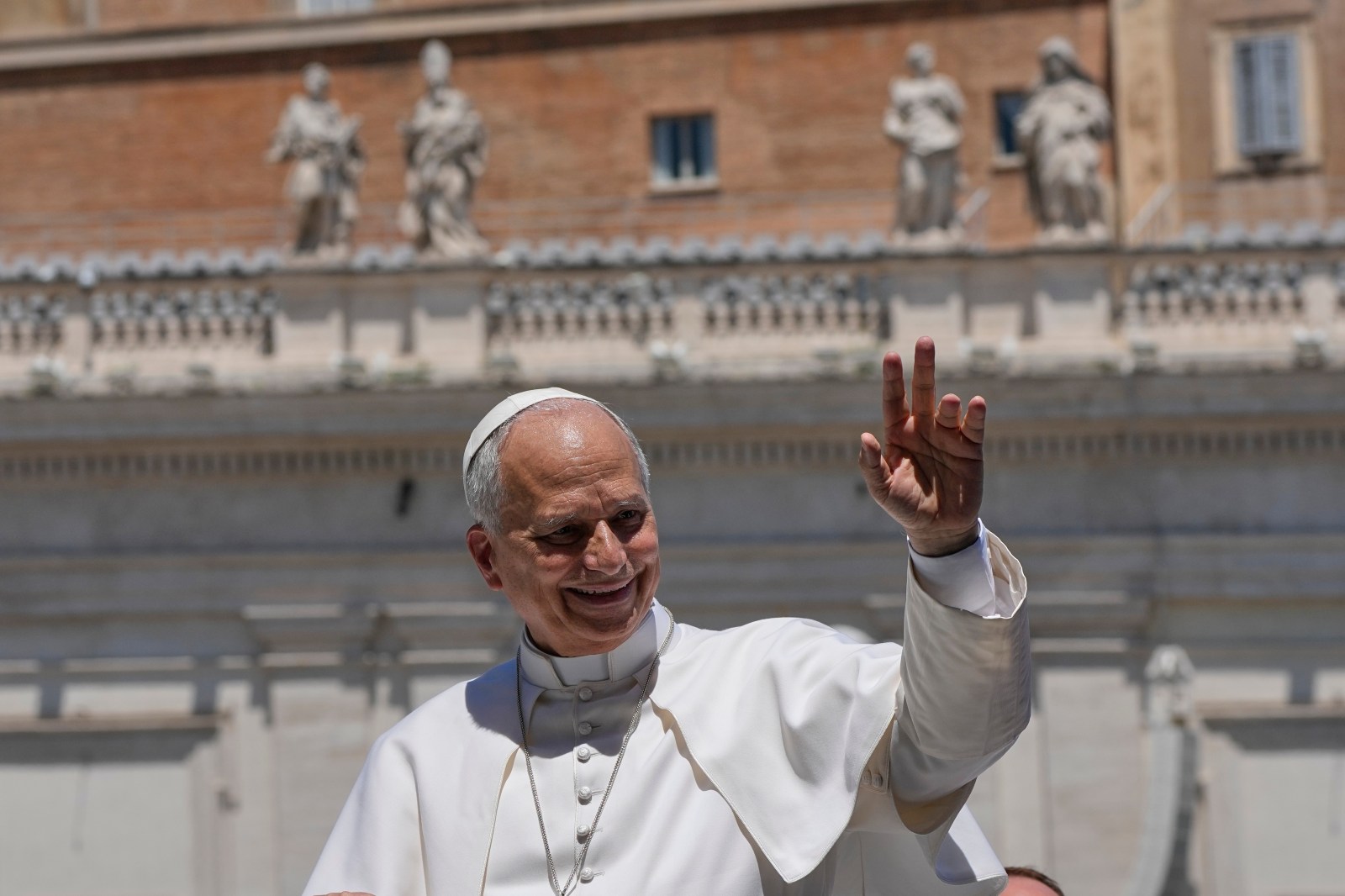
According to Vatican News and major outlets, Pope Leo XIV published his first encyclical, "Magnifica humanitas," on May 25, 2026, calling for stronger government regulation of artificial intelligence to protect human dignity and common good. The New York Times reports the document runs roughly 42,300 words and includes calls for worker protection and retraining, limits on weaponized AI, and safeguards so control of AI does not remain in the hands "of a few." Reporting in The Washington Post and CNN notes the encyclical was presented alongside Christopher Olah of Anthropic. CityNews Toronto's "The Big Story" podcast discussed the encyclical's potential influence on public policy and whether Prime Minister Mark Carney will take note. The papal text adds moral and political weight to ongoing regulatory debates that policy makers and industry observers will watch closely.
What happened
According to Vatican News, Pope Leo XIV published his first encyclical, titled "Magnifica humanitas: On Safeguarding the Human Person in the Time of Artificial Intelligence," which was signed on May 15 and presented publicly on May 25, 2026. The New York Times reports the document runs roughly 42,300 words and covers broad social, ethical, and political implications of AI. Per reporting by The New York Times and CNN, the encyclical calls for more government regulation of private AI companies, protection and retraining for workers whose jobs are threatened, measures to shield children from harmful AI-generated content, and safeguards to ensure humans remain responsible for decisions on weapons and warfare. Vatican News quotes the text that "technology is never neutral, because it takes on the characteristics of those who devise, finance, regulate, and use it." The Washington Post and The New York Times report that Christopher Olah, a co-founder of Anthropic, appeared alongside the Pope when the encyclical was presented.
Editorial analysis - technical context
For practitioners
the encyclical foregrounds three technical-policy fault lines already familiar to engineers and data scientists. First, concentration of model scale and datasets under a few large actors, noted in multiple news reports, maps to concerns about single-point control over model capabilities. Second, the document's emphasis on weaponization and human oversight echoes long-standing debates about human-in-the-loop requirements, explainability, and verifiable audit trails for high-risk systems. Third, calls for protecting workers and retraining point to upstream implications for model deployment choices that affect labor automation and reskilling investments. These observations are framed here as industry patterns, not as claims about any individual organization.
Editorial analysis - context and significance
Industry observers and major outlets have framed the encyclical as an attempt to inject moral authority into a largely secular policy debate. Reporting in The Washington Post and Time highlights the symbolic weight of a papal document addressing technology at scale, while CityNews Toronto's podcast explored whether national leaders, including Prime Minister Mark Carney as discussed on that program, will respond. For regulators and public-policy teams, the encyclical strengthens a narrative that technical governance is also a social and ethical responsibility. For companies, widespread media coverage and the involvement of a prominent researcher from Anthropic at the presentation may amplify public scrutiny and stakeholder pressure around transparency, safety practices, and workforce transitions.
What to watch
- •Legislative signals: look for responses from national regulators and parliamentary committees in the weeks following publication, especially in jurisdictions noted in media coverage.
- •Industry reactions: statements or technical whitepapers from major AI firms and research labs, particularly those named or visible at the presentation, will indicate how companies translate ethical pressure into product or governance changes.
- •Policy instruments: proposals that mirror the encyclical's asks, such as retraining funds, export controls on dual-use models, or requirements for human accountability in weapons decisions, will be concrete indicators of impact.
- •Public engagement: coverage patterns and endorsements or critiques from other faith leaders and civil society groups will shape whether the encyclical becomes a sustained political lever.
Editorial analysis
the encyclical does not itself create regulation, but it is likely to shape public discourse and may increase political salience for AI governance across jurisdictions. Observers tracking regulation, procurement policy, and public opinion should treat this as a notable nontechnical input into a technical-policy ecosystem.
Key Points
- 1Papal encyclical gives moral and public-policy weight to AI regulation debates, potentially increasing political pressure on regulators.
- 2The document foregrounds concentration of control, weaponization risks, and worker displacement, aligning with existing technical governance concerns.
- 3Observers should watch regulatory proposals, industry responses, and public engagement as indicators of whether the encyclical translates into policy changes.
Scoring Rationale
The Pope's encyclical elevates AI governance into a moral and political frame that can increase public and regulatory scrutiny, making it notable for practitioners who work at the intersection of AI, safety, and policy. It is important but not a technical breakthrough.
Sources
Public references used for this report.
View 8 more sources
- Pope Leo Warns of Risks From A.I. in 42,300-Word Encyclicalnytimes.com
- Pope Leo warns of AI fueling warfare in first major theological documentcnn.com
- Pope Leo Uses First Major Papal Text to Warn About Dangers of AItime.com
- Pope Leo encyclical: World leaders should be ‘slowing things down’ on AIthehill.com
- Pope Leo demands AI rules to ‘safeguard humanity’ — before it’s too latepolitico.eu
- Pope calls for robust regulation of AI in manifesto that ponders the future of humanitypbs.org
- Pope Leo warns that AI challenges must be confronted with regulation, transparency in his 1st encyclicalcbc.ca
- A Complete Guide to Pope Leo's First Encyclical: Magnifica Humanitasascensionpress.com
Practice interview problems based on real data
1,625 SQL & Python problems across 15 industry datasets — the exact type of data you work with.
Try 250 free problems