NVIDIA reveals N1X Windows 11 app compatibility
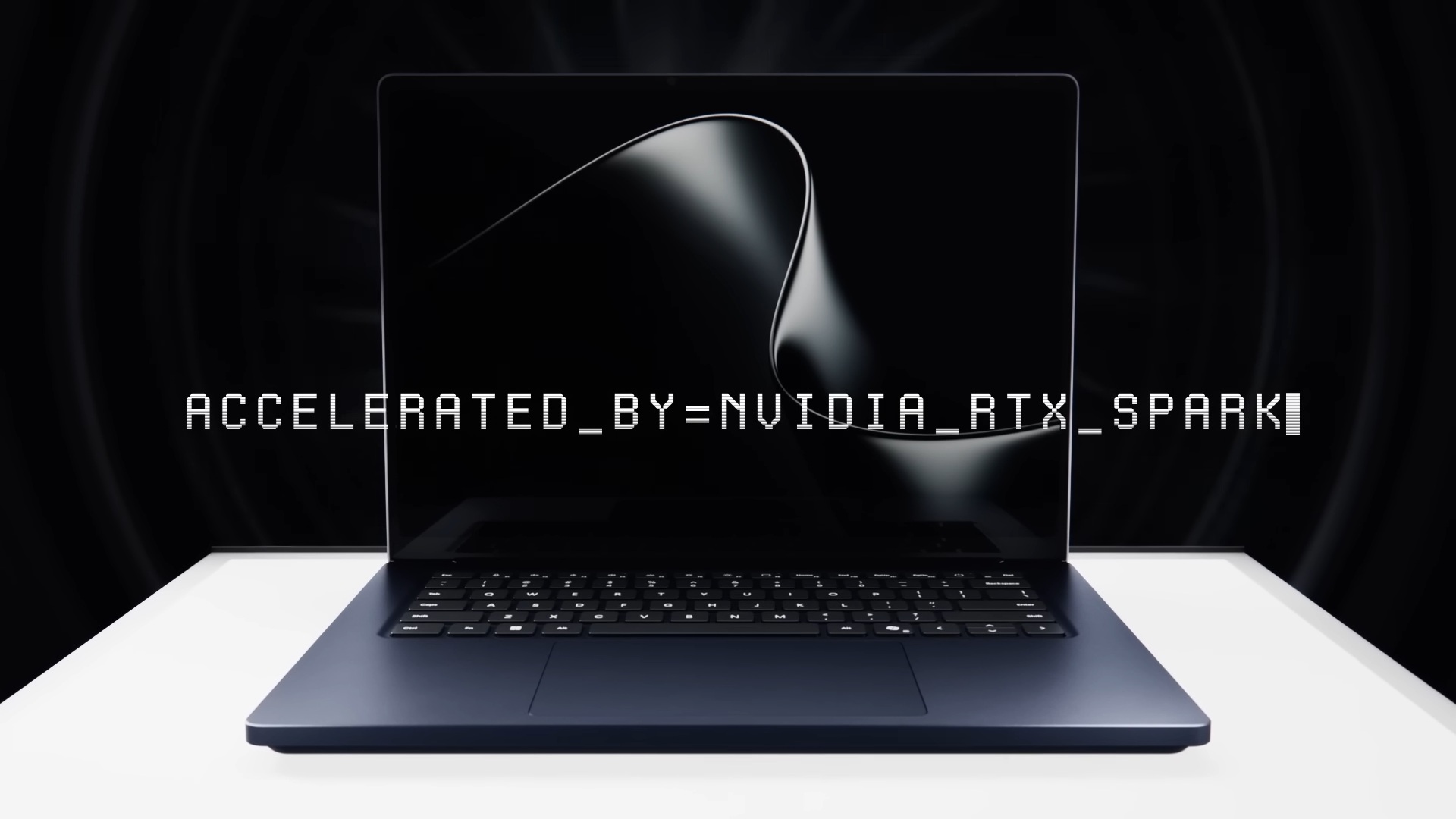
The compatibility question is the whole story for NVIDIA's Arm-based push into Windows PCs: an Arm chip only matters to mainstream buyers if it runs the x86 software they already own. At Computex 2026, NVIDIA CEO Jensen Huang said the RTX Spark platform (chip codename N1X) will run 'every single application that Windows has ever run,' combining native Arm builds with Microsoft's Prism emulation layer, which Windows Central reports has been updated specifically for the RTX Spark microarchitecture. Huang credited close NVIDIA-Microsoft collaboration for the app support. For practitioners and IT buyers weighing Arm Windows machines, the load-bearing detail is the emulation path: native Arm apps will run best, while the long tail of x86 software depends on how well the updated Prism layer performs - the variable worth testing before any fleet commitment.
Why compatibility is the real test
NVIDIA's move into Windows-on-Arm PCs lives or dies on software compatibility. Performance headlines aside, mainstream and enterprise buyers will not adopt an Arm machine that cannot run the x86 applications they depend on, so the compatibility claim - not the silicon specs - is what determines whether RTX Spark reaches beyond enthusiasts.
What NVIDIA said
At Computex 2026, NVIDIA CEO Jensen Huang said the RTX Spark platform, built on the N1X chip, will run 'every single application that Windows has ever run.' Windows Central reports this is achieved through a mix of native Arm software and Microsoft's Prism emulation layer, which has been updated specifically for the RTX Spark microarchitecture. Windows Latest reports Huang emphasized that Microsoft and NVIDIA worked closely to ensure Windows apps run properly on N1X-powered PCs. NVIDIA and Microsoft first detailed the platform - a 20-core Grace CPU paired with a Blackwell RTX GPU and unified memory - in late May 2026, with systems expected from major OEMs in fall 2026.
The detail to test
The claim of universal compatibility rests on two distinct paths with very different performance characteristics. Applications recompiled for Arm run natively, and vendors including Adobe, Blender, and DaVinci Resolve were cited as offering Arm builds; everything else runs through Prism emulation. Emulated x86 code has historically carried a performance and battery penalty, so 'runs every app' and 'runs every app well' are not the same claim. For IT teams, the practical step is to benchmark the specific x86 applications a fleet relies on under emulation before standardizing on the platform.
What to watch
Independent compatibility and performance testing of Prism emulation on RTX Spark, the breadth of native Arm ports available at launch, and OEM pricing and availability as fall-2026 systems ship.
Key Points
- 1NVIDIA's Jensen Huang says the RTX Spark platform (N1X chip) will run every Windows application via native Arm builds plus Microsoft's Prism emulation.
- 2Arm Windows PCs only reach mainstream buyers if existing x86 software runs, so compatibility - not raw performance - gates adoption.
- 3Buyers should benchmark x86-via-Prism performance for their actual app mix before committing, since emulated workloads carry the real risk.
Scoring Rationale
This is a product-level compatibility update that matters for deployment and user experience, but it does not introduce new research or a major industry shift, so its impact is moderate.
Sources
Public references used for this report.
Practice interview problems based on real data
1,625 SQL & Python problems across 15 industry datasets — the exact type of data you work with.
Try 250 free problems