
Notion Integrates Claude Agents into Workspaces
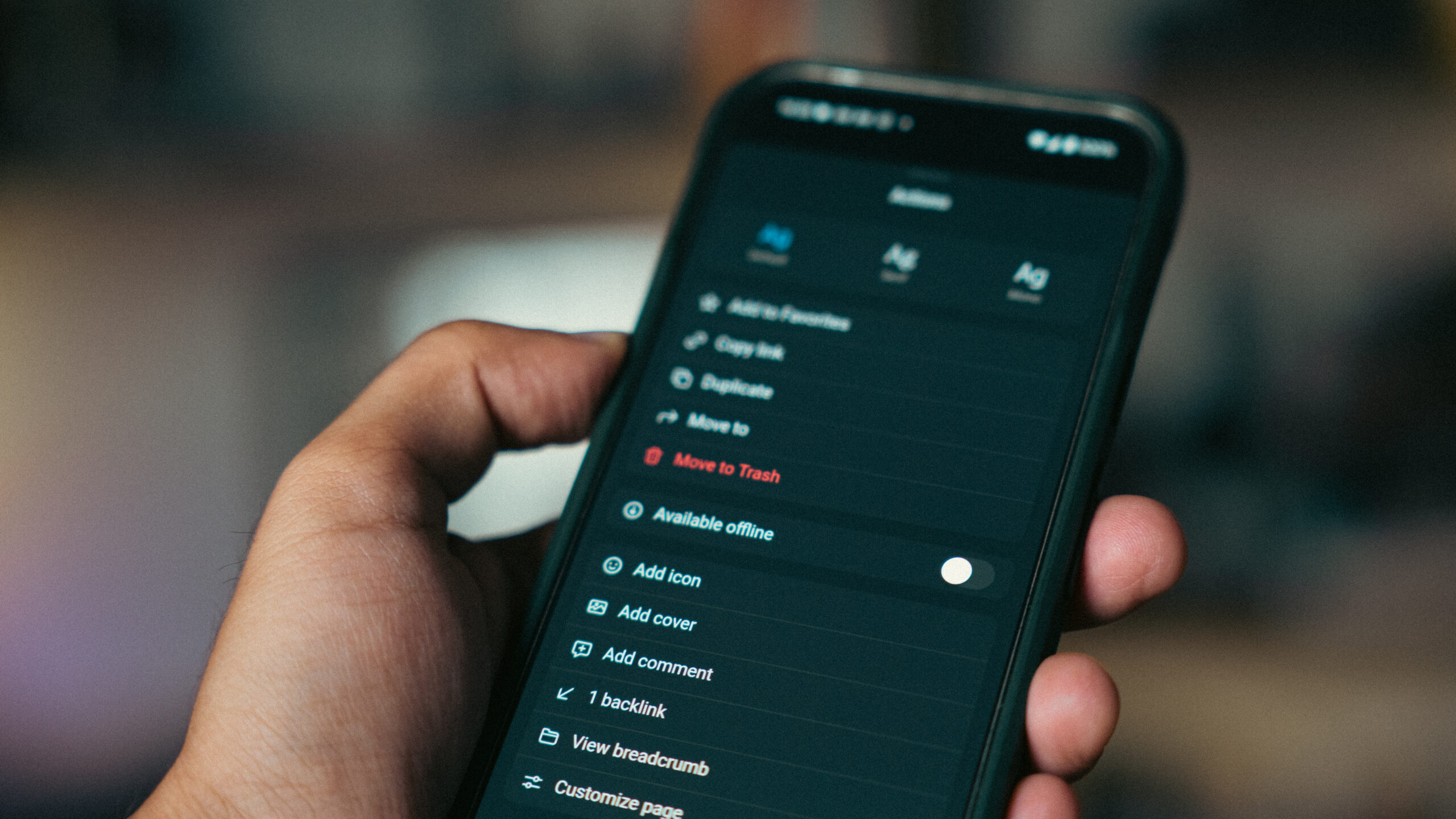
Notion has launched Claude agents in beta, embedding Anthropic's Claude as named participants inside workspaces, according to Notion's Help Center and reporting from Android Authority. The agents can read, write, and act on shared pages and task boards when granted permissions, and they run on Anthropic-hosted infrastructure via Notion's hosted connector, Notion MCP, per Notion documentation. Access is limited to Business and Enterprise plans, and Enterprise/HIPAA workspaces have agents turned off by default until a workspace owner enables them, per Notion's Help Center. Notion's Developer Platform components, including an External Agents API and a Workers runtime, let partner agents such as Claude Code, Cursor, and OpenAI's Codex appear as visible collaborators, according to TechTimes and MindStudio.
What happened
Notion introduced Claude agents in beta, integrating Anthropic's Claude as workspace participants, per Notion's Help Center and Android Authority. Notion's documentation describes that Claude agents can chat, answer questions, generate or edit content, update pages and task boards, and operate only on content they have been granted permission to access (Notion Help Center). Notion's Help Center also states that Claude agents are hosted via Anthropic-managed infrastructure and that the feature is available on Business and Enterprise plans, with Enterprise/HIPAA workspaces having agents switched off by default until enabled by a workspace owner.
Technical details
Per Notion's developer documentation, the integration uses Notion MCP, a hosted connector that gives external AI tools secure, OAuth-based access to workspace content and optimizes data formatting for agents (Notion MCP docs). Reporting from TechTimes and MindStudio adds that Notion's Developer Platform bundles three components at launch: a Workers hosted runtime for custom code, a live database sync layer, and an External Agents API that gives external agents persistent identities inside a workspace. TechTimes and MindStudio list initial partners and compatible agents including Claude Code, Cursor, and OpenAI's Codex, and describe the External Agents API as initially in private beta.
Technical context
Embedding an LLM agent as a named workspace member changes the integration model from ephemeral prompts to persistent, permissioned participants. Companies building comparable integrations typically confront tradeoffs between richer context access and tighter audit and permission controls. Per-run charging and hosted access patterns, as documented by Notion, make governance and cost control central operational questions for teams adopting agents.
Context and significance
Notion's External Agents API and MCP align with a broader pattern where productivity platforms move from sidebar assistants toward first-class agent participants. Public reporting frames this as an attempt to reduce app switching and to let agents perform end-to-end tasks that span documentation, code snippets, and task state. For organizations, the combination of partner agents, a hosted runtime, and database sync shortens the path to automation but also concentrates sensitive content access within integrated agents, elevating the need for workspace-level policies and logging.
What to watch
Observers should track rollout breadth (which accounts and regions see the beta), enterprise enablement settings and defaults (Notion Help Center notes Enterprise/HIPAA workspaces have agents off by default), partner expansion for the External Agents API, and pricing signals around per-run charges. Also watch for developer tooling updates to the Workers runtime and MCP that clarify secure credential handling, and for audit and compliance features from Notion that enterprise customers typically require when external agents gain edit permissions.
Key Points
- 1Embedding LLM agents as named workspace members reduces context switching but shifts governance to workspace-level permissions and audits.
- 2Per-run pricing and Business/Enterprise gating make agent adoption both a budget and governance decision for teams.
- 3Open External Agents APIs plus a hosted runtime accelerate integration of third-party and custom agents into product workflows.
Scoring Rationale
Notion's Claude agents beta represents a meaningful workflow integration, embedding Claude as a persistent workspace participant with read/write permissions - a shift from one-off prompts to persistent agentic collaboration for Business and Enterprise plan users. The feature is beta-stage and plan-gated, and the External Agents API remains in private alpha, limiting broad practitioner impact in the near term. Score reflects a notable but incremental platform evolution rather than a paradigm shift.
Sources
Public references used for this report.
View 4 more sources
- Notion Opens Workspace to Claude Code, Cursor, and Codex as Native AI Agentstechtimes.com
- Introducing Agent Skills | Claude by Anthropicclaude.com
- What Is the Notion External Agents API? How to Add Claude to Your Workspacemindstudio.ai
- Notion MCP Integration with Claude Agent SDK - Composiocomposio.dev
Practice interview problems based on real data
1,625 SQL & Python problems across 15 industry datasets — the exact type of data you work with.
Try 250 free problems

