Modi Deepens India-Netherlands Collaboration on AI, Chips
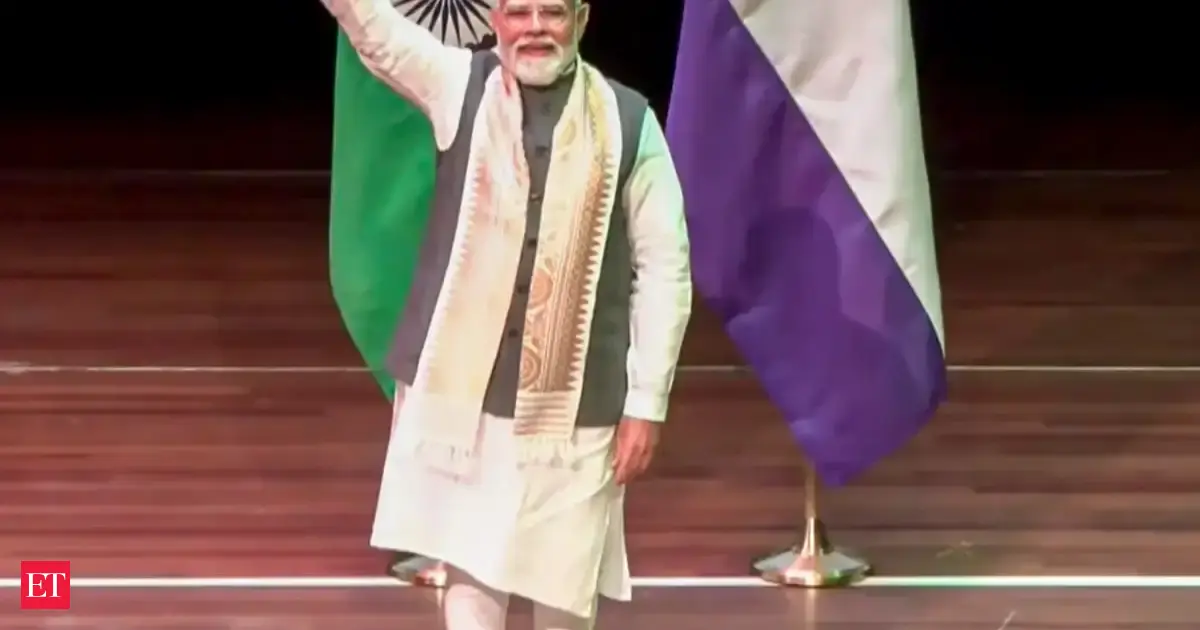
Prime Minister Narendra Modi urged deeper India-Netherlands cooperation on resilient supply chains, green hydrogen, semiconductors and artificial intelligence during an address to the Indian diaspora in The Hague, PTI reports via The Economic Times. Modi warned of successive global shocks and said the world risked entering a "decade of disasters" if crises were not resolved quickly, according to PTI. Economic Times reports New Delhi seeks upgraded semiconductor ties with Dutch company ASML and mentions Dholera, Gujarat, as a planned semiconductor site using advanced lithography. Dutch counterpart Dick Schoof told NDTV that Dutch firms are increasingly keen to invest in India and confirmed discussions on semiconductors, water management and other technologies. The Economic Times cites the Indian Embassy, noting Netherlands was India's 11th largest merchandise partner and recorded $27.3 billion in bilateral trade in FY24.
What happened
Prime Minister Narendra Modi urged deeper cooperation between India and the Netherlands in resilient supply chains, green hydrogen, semiconductors and artificial intelligence while addressing the Indian diaspora in The Hague, according to PTI reporting in The Economic Times. PTI quotes Modi saying the world faced successive crises from the pandemic to geopolitical conflicts and an energy crunch, and that it risked entering a "decade of disasters" if those problems were not addressed quickly. The Economic Times reports that New Delhi is seeking to widen semiconductor collaboration with Dutch firms, mentioning ASML and citing plans linked to a semiconductor site in Dholera, Gujarat. NDTV reports that Dutch counterpart Dick Schoof said Dutch businesses are increasingly keen to invest in India and confirmed talks covering semiconductors, water management and other sectors.
Technical details
Context and significance
What it could mean for projects and teams
What to watch next
Editorial analysis
The publicly reported discussion centers on upstream semiconductor supply-chain elements where ASML is a critical vendor of EUV lithography tools, per The Economic Times background reporting. Industry-pattern observations: building a domestic chip ecosystem typically requires coordination across equipment procurement, specialist fabs, skilled labour pipelines, and incentives for foundry and OSAT partners. Green hydrogen and resilient supply chains likewise demand long-term infrastructure investment and cross-border procurement arrangements rather than a single technology fix.
India's public diplomacy framing during the trip stresses technology and trade as levers for broader strategic ties. The Economic Times cites the Indian Embassy reporting that the Netherlands was India's 11th largest merchandise trading partner and recorded $27.3 billion in merchandise trade in FY24; that trade footprint helps explain why Dutch high-tech capabilities are a focal point. For practitioners: deeper government-to-government engagement can lower friction for technology transfer, joint R&D calls, and cross-border investment, but such outcomes typically require multi-year follow-through across regulation, export controls, and industrial policy. Reporting by NDTV that Schoof affirmed private-sector interest underscores that commercial actors will be central to translating diplomatic statements into projects.
For ML engineers and infrastructure teams, incremental outcomes most likely to matter are improved access to specialised hardware and industrial partnerships rather than immediate model-level changes. Observed patterns in similar international technology partnerships show near-term effects in three areas: - increased commercial dialogue and MoUs that seed feasibility studies; - targeted investment flows into pilot facilities or joint ventures; - announcements of collaboration frameworks that precede procurement or capacity-building programs by 6-24 months. None of those steps are automatic, and the reporting so far documents talks and intent rather than concrete signed long-term contracts.
Observers should track announcements of binding agreements or MoUs involving ASML, foundry partners, or joint green-hydrogen projects, plus budgetary allocations or industrial-policy updates from New Delhi. Also watch for statements from Dutch firms or ministries that provide specifics on timelines, investment sizes, or technology-transfer mechanisms. If follow-on reporting names concrete project partners, procurement schedules, or export-control accommodations, those would move the story from strategic intent toward implementable infrastructure projects.
Source notes
The factual summary above draws on PTI reporting as published by The Economic Times and on NDTV coverage of comments by Dick Schoof. Economic Times technology coverage provides the ASML and Dholera context and cites trade numbers from the Indian Embassy.
Key Points
- 1Modi emphasised cooperation on AI, semiconductors and green hydrogen during The Hague address, per PTI and The Economic Times.
- 2Economic Times reports India seeks semiconductor collaboration with ASML and links advanced lithography to a Dholera site.
- 3Editorial analysis: Diplomatic talks usually spur MoUs and pilot investments first; hardware access and policy changes follow over 6-24 months.
Scoring Rationale
Diplomatic-level tech cooperation could ease supply-chain and infrastructure bottlenecks relevant to AI and chip availability, but reporting so far documents talks and intent rather than signed projects or immediate hardware access. That yields a notable, practitioner-relevant story without frontier-model implications.
Sources
Public references used for this report.
View 6 more sources
- AI, Semiconductors, Water Tech: What PM Modi, Dick Schoof ...ndtv.com
- Netherlands, Sweden, Norway, Italy: What India expects to gain from ...firstpost.com
- Why Modi's visit to the Netherlands is India's underrated European ...indiatoday.in
- Oil, Chips & Trade: Why PM Modi's Five-Nation Tour Matters At A ...news18.com
- Jaishankar, Dutch counterpart discuss coop in new technologiestribuneindia.com
- India and Netherlands Strengthen Ties in Tech and Semiconductorsbisinfotech.com
Practice with real Ad Tech data
90 SQL & Python problems · 15 industry datasets
250 free problems · No credit card
See all Ad Tech problems