Microsoft Documents Experimental Windows 11 Memory Controls for AI PCs
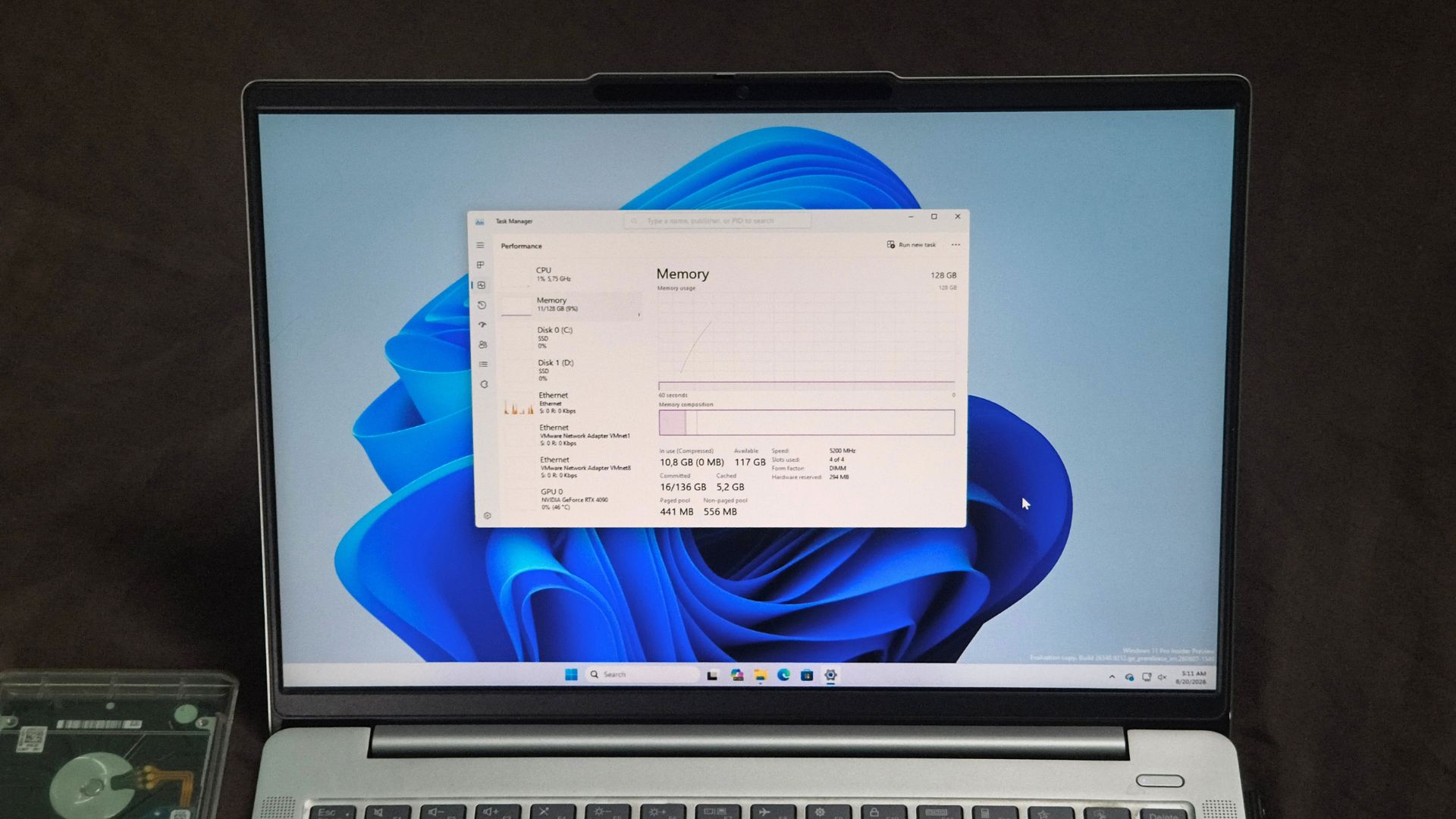
Microsoft has published release notes for Windows 11 Insider Experimental (Future Platforms) Preview Build 29648.1000, a documentation update dated August 17. The preview covers configurable unified-memory behavior for supported graphics and on-device AI workloads; Windows Latest reported the change on August 21, while general availability remains unannounced.
Microsoft has documented Windows 11 Insider Experimental (Future Platforms) Preview Build 29648.1000, an early platform release whose metadata is dated August 17. A separate August 21 report from Windows Latest points to the same Microsoft documentation and describes a new control over how unified memory is used for graphics and AI work on compatible PCs.
A shared memory question
Unified-memory systems use one physical memory pool across several kinds of processing rather than treating graphics memory as a wholly separate pool. That design can be useful for local AI and graphics workloads, but it also creates a tradeoff: a demanding task in one part of the system can constrain another.
The Microsoft release notes are the primary record for this preview build. They establish that the work is in an experimental Windows Insider track. The accompanying report is useful confirmation of the reader-facing implication: the change is about giving users more control over the memory balance used by graphics and AI workloads.
What remains unconfirmed
Neither retrieved source establishes a general-release date, a complete list of supported hardware, or a performance gain. Those details matter more than the feature label for teams planning local inference, graphics-heavy work, or mixed AI-PC deployments.
For now, the practical reading is narrow: the capability belongs to an experimental future-platform build, not a broadly available Windows setting. Developers and IT teams can watch later Insider notes and device documentation for the supported configurations and any measurements of how the control affects real workloads.
Key Points
- 1Microsoft's primary documentation identifies Windows 11 Insider Experimental (Future Platforms) Preview Build 29648.1000, dated August 17.
- 2Windows Latest reported that the build introduces more user control over unified-memory behavior shared by graphics and AI workloads.
- 3The retrieved evidence does not establish general availability, supported hardware, or a quantified performance benefit.
Scoring Rationale
An experimental Windows memory-management control is relevant to practitioners testing local AI alongside graphics workloads, but its deployment impact is limited until Microsoft confirms hardware scope, release timing, and measured performance.
Sources
Primary source and supporting public references used for this report.
Practice interview problems based on real data
1,625 SQL & Python problems across 15 industry datasets — the exact type of data you work with.
Try 250 free problems