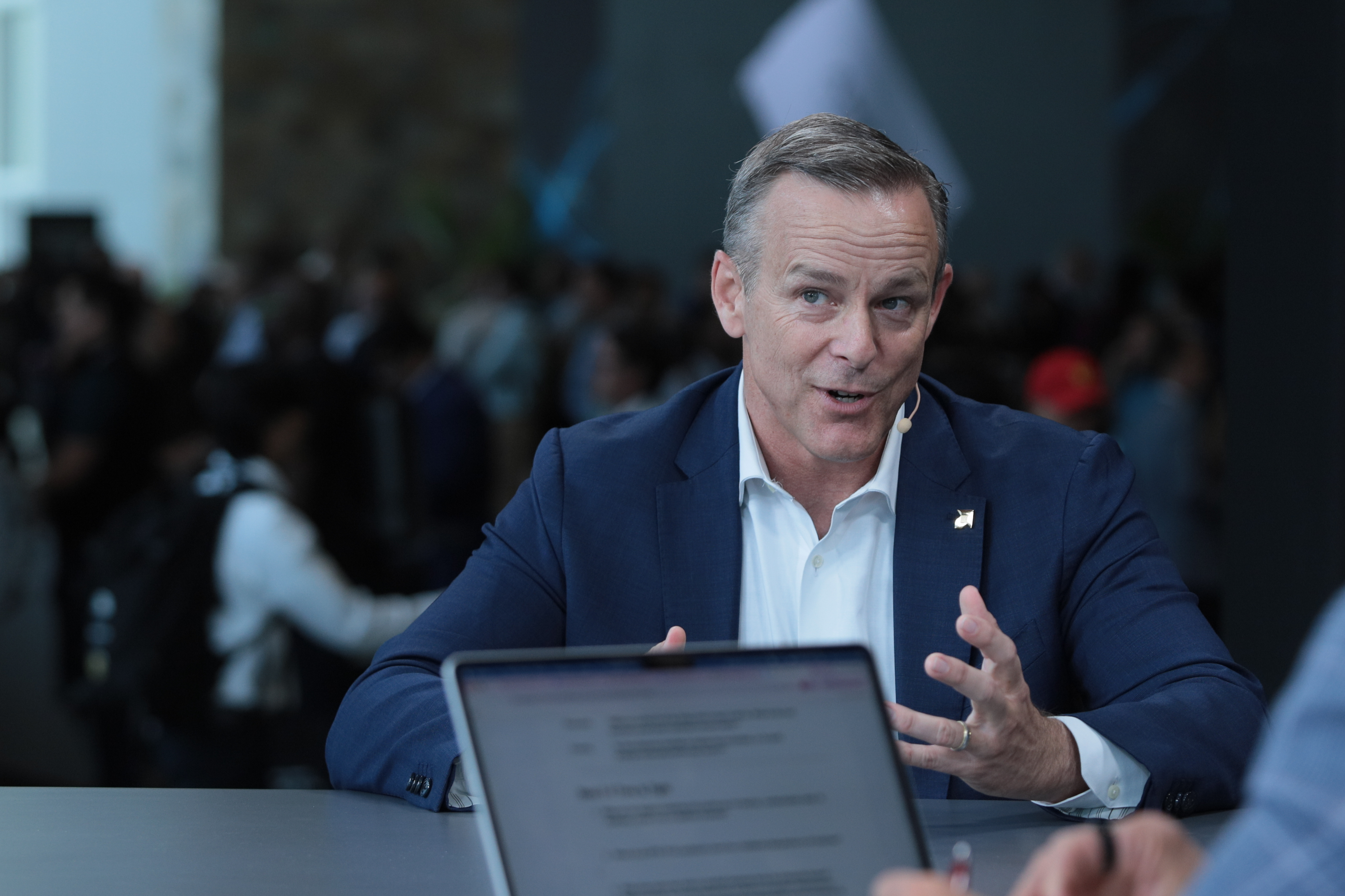
Microsoft Adds AMD Helios to Azure Infrastructure
Microsoft announced on July 20 that it will deploy AMD Helios rack-scale systems in Azure data centers, expanding its AI and high-performance computing infrastructure. CNBC reports that Helios is AMD's first rack-scale AI system and is scheduled to ship later this year, while Microsoft's announcement also introduced upcoming EPYC-based virtual machines for data processing, chip design and AI inference.
Microsoft announced July 20 that it is adding AMD's Helios rack-scale AI platform to Azure, alongside new AMD EPYC-based virtual machine families for data processing, electronic design automation and AI inference. According to CNBC, AMD expects to begin shipping Helios systems to customers, including Microsoft, later this year; neither company disclosed financial terms or the amount of Azure capacity involved.
Microsoft's announcement places Helios, AMD's first rack-scale AI system, within a cloud fleet already spanning third-party hardware and Microsoft's own silicon. CNBC reports that Meta, OpenAI and Oracle are also early Helios customers. Microsoft CEO Satya Nadella wrote in the company's release that the addition is intended to give Azure customers "the performance, scale and choice they need to build and run the next generation of AI applications."
New Azure offerings
Microsoft said Helios and next-generation AMD processors will underpin three upcoming Azure offerings:
- •ND MI455X v7 virtual machines for AI inference workloads.
- •HDv2 virtual machines for data preparation, search, reinforcement learning and agent coordination.
- •HXv2 virtual machines for electronic design automation and technical computing.
Microsoft described HDv2 as a CPU-oriented configuration co-designed with AMD. The company specified nearly 500 physical sixth-generation AMD EPYC CPU cores, 4 TB of RAM, 32 TB of local NVMe storage and 400 Gb Azure Boost networking. That configuration matters because model pipelines require substantial CPU, memory, storage and network throughput around accelerators, particularly for data preparation, retrieval and orchestration workloads.
CNBC reports that Helios is positioned as AMD's first direct rack-scale response to Nvidia's Grace Blackwell systems. Rather than presenting an accelerator alone, the platform packages compute, memory, networking and associated software into a deployable system. AMD's availability date is later in 2026, according to CNBC.
Inference changes the system boundary
The announcements arrive as cloud providers add capacity for inference and agentic workloads in addition to model training. Microsoft explicitly identified inference as the target workload for ND MI455X v7, while CNBC reported that Helios will support frontier-model inference for Microsoft, Azure customers and Azure AI services.
For infrastructure teams, rack-scale offerings shift evaluation beyond GPU-level benchmark comparisons. Comparable deployments commonly require measuring end-to-end characteristics: interconnect bandwidth, host CPU capacity, storage locality, framework support, scheduling behavior, model-serving throughput and power efficiency. The relevant metric for a production inference service is often cost and latency per completed request under a defined workload mix, rather than peak accelerator performance in isolation.
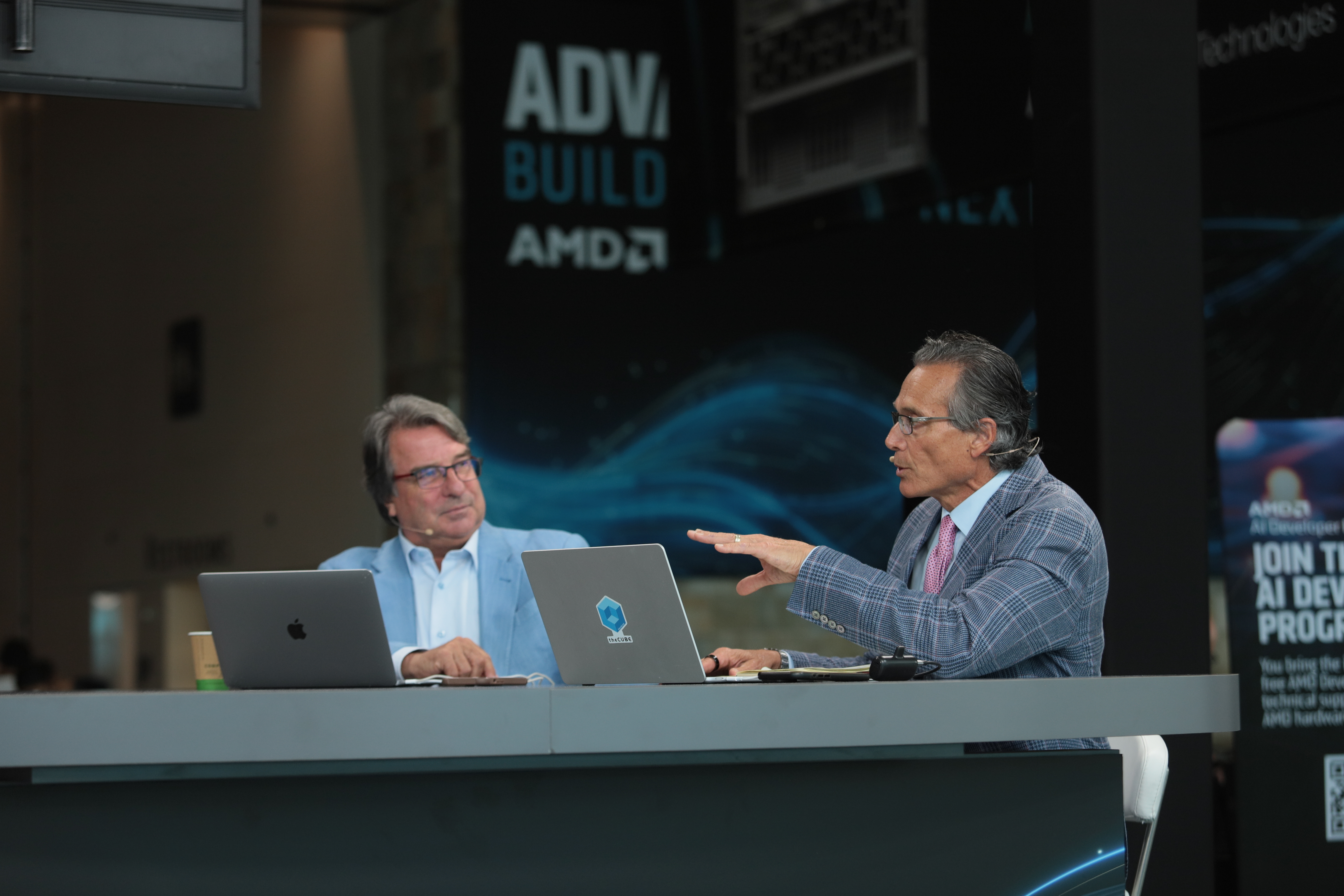
SiliconANGLE characterized the development as part of a broader competitive shift from chip specifications toward integrated AI systems. In its coverage, SiliconANGLE Media co-CEO David Vellante argued that AMD's acquisition and software investments have moved it into the systems business, and that a viable second source could be significant even without displacing Nvidia.
Microsoft also said its Azure approach combines AMD hardware with its own purpose-built silicon and other industry partners. Public reporting therefore describes the deployment as an expansion of Azure's heterogeneous infrastructure portfolio, not a replacement of its existing accelerator options. Key operational details remain unannounced, including regional availability, pricing, network topology, software stack specifics and the capacity reserved for individual Azure services.
Key Points
- 1Microsoft is adding AMD Helios to Azure, creating another rack-scale infrastructure option for cloud AI inference workloads.
- 2Azure's announced HDv2 configuration emphasizes CPUs, memory, NVMe and networking alongside accelerators, reflecting data-pipeline and orchestration demands.
- 3Across comparable AI deployments, rack-scale evaluation increasingly depends on end-to-end serving economics rather than standalone GPU benchmark performance.
Scoring Rationale
Microsoft's adoption of AMD Helios is a notable cloud-infrastructure development because it adds a major alternative to Nvidia-oriented rack-scale AI deployments. The announcement is directly relevant to teams assessing inference capacity, heterogeneous fleets and end-to-end AI system performance, though pricing and deployment scale remain undisclosed.
Sources
Primary source and supporting public references used for this report.
Practice interview problems based on real data
1,625 SQL & Python problems across 15 industry datasets — the exact type of data you work with.
Try 250 free problems