Meta secures 1 GW of space solar for data centers
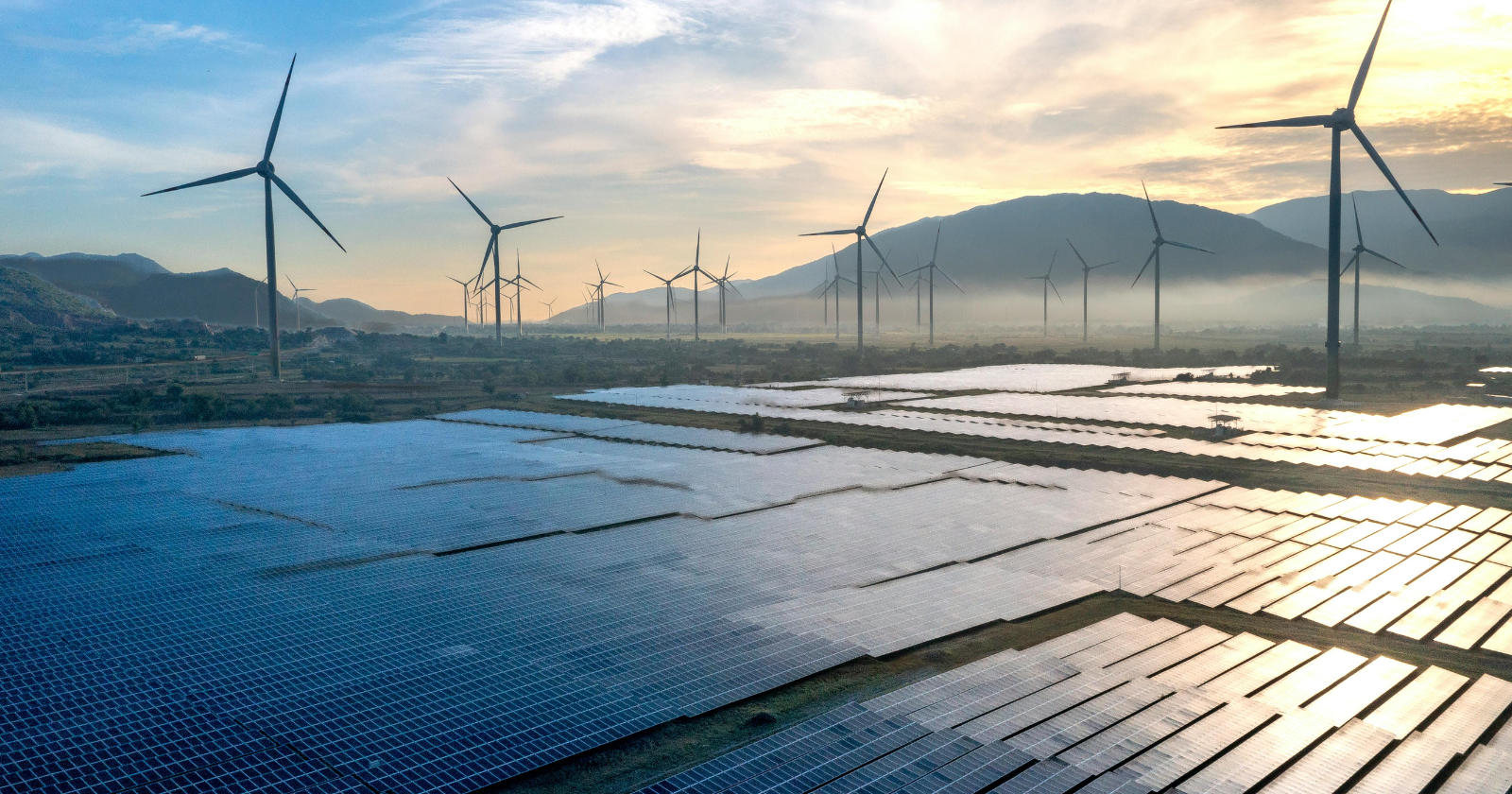
Meta Platforms has signed an agreement with Overview Energy to secure up to 1 gigawatt of space-based solar energy to support its data centers, according to Reuters and Meta's corporate blog. Meta's blog describes Overview's concept as satellites in geosynchronous orbit beaming near-infrared light to terrestrial solar farms, while Reuters and TechCrunch report an initial orbital demonstration in 2028 and potential commercial delivery in 2030. Financial terms were not disclosed, Reuters reports. Meta also announced a separate partnership with Noon Energy for long-duration storage on its energy blog. Commentators note this continues a trend of large tech buyers locking long-term, nontraditional power supplies as AI-related compute demand grows (Reuters, TechCrunch).
What happened
Meta Platforms announced an agreement with Overview Energy to secure up to 1 gigawatt of capacity from Overview's space-based solar system, per Meta's corporate blog and reporting by Reuters and Bloomberg. Meta's blog describes Overview's approach as satellites in geosynchronous orbit roughly 22,000 miles above the equator collecting uninterrupted sunlight and beaming it as low-intensity near-infrared light to ground-based solar facilities that convert the beam into electricity. Reuters and TechCrunch report Overview's timeline includes an orbital demonstration in 2028 and potential commercial power delivery by 2030. Reuters notes financial terms were not disclosed.
Technical details
Meta's announcement and coverage by TechCrunch and PV Tech describe the technical concept as transmitting wide-area near-infrared illumination to existing terrestrial solar farms, rather than using high-power microwave or laser point-beaming. TechCrunch reports Overview has demonstrated power transmission from an aircraft and is planning an initial satellite transmission trial, citing CEO Marc Berte; TechCrunch quotes Berte saying the beam will be low-intensity enough that "you'll be able to stare right into his satellite's beam with no ill effects." Meta's blog emphasizes the design goal of leveraging existing solar infrastructure so ground facilities can convert the received illumination to electricity using current photovoltaic equipment.
Industry context
Risks, open technical questions, and deployment friction
What to watch
Editorial analysis
Companies building and operating large AI data centers increasingly secure long-term, nontraditional energy sources to meet rising electricity demand and to mitigate grid constraints. Reuters frames Meta's move as part of a broader pattern where Big Tech signs long-term offtake or capacity agreements, while Meta's own blog pairs the Overview deal with a separate partnership with Noon Energy for long-duration storage. TechCrunch reports Meta used more than 18,000 gigawatt-hours of electricity in 2024 and has committed to building 30 gigawatts of renewable capacity, providing background on why large-scale, dispatchable, or round-the-clock renewable supply attracts buyer interest.
Space-to-ground power introduces multiple technical, regulatory, and operational hurdles distinct from terrestrial renewables. Sources flag several areas to monitor: confirmation of end-to-end conversion efficiency from in-space collection through atmospheric transmission to photovoltaic conversion on the ground (reported by PV Tech and TechCrunch), regulatory approvals and safety rules for beaming energy through national airspace and across jurisdictions (reported concerns in TechCrunch and SpaceNews), and the economics of launch cadence and satellite replacement relative to terrestrial capacity costs (commentary in Yahoo Finance and Bloomberg). TechCrunch and Meta's blog differ on orbital regime in early demonstrations: Meta's blog describes geosynchronous orbit, while TechCrunch reports an initial satellite launch to low Earth orbit in January 2028 for first transmissions; observers should treat timelines and mission profiles as provisional and source-dependent.
Key near-term indicators are the success of Overview's planned demonstration flights (reported target 2028), regulatory filings or approvals for space-to-ground power transmission, launch-service partnerships and cadence (coverage in Yahoo Finance highlights the launch angle), and third-party validation of round-trip energy conversion and safety claims. For practitioners planning capacity and budgeting, track whether terrestrial solar farms begin engineering to accept continuous near-infrared illumination and whether utilities and grid operators update interconnection and metering arrangements to handle orbit-sourced inputs.
Bottom line
This deal is a high-visibility example of long-horizon infrastructure procurement tied to AI compute demand. Reporting shows the agreement secures early access to up to 1 GW of orbital-sourced capacity but leaves economics, regulatory clearance, and operational performance unresolved until demonstration and commercial phases proceed, which multiple outlets date to 2028-2030.
Key Points
- 1Meta signed for up to 1 GW of space-solar capacity, anchoring early demand for orbit-to-grid power (Meta blog; Reuters).
- 2Overview aims to beam low-intensity near-infrared light to existing solar farms, trading new ground infrastructure for space assets (TechCrunch; PV Tech).
- 3Editorial analysis: Long-term offtakes for novel power sources are becoming a standard response to growing AI compute loads and grid constraints.
Scoring Rationale
The story matters because large AI consumers securing new classes of electricity supply affects planning for compute capacity and sustainability. The timeline is long and many technical, regulatory, and economic uncertainties remain, so practical impact for most practitioners is medium-term rather than immediate.
Sources
Public references used for this report.
View 9 more sources
- Meta Platforms Enters Solar-Power Pactwsj.com
- Meta inks deal for solar power at night, beamed from spacetechcrunch.com
- Meta seeks to power data centers with energy beamed from spacelatimes.com
- Overview Energy to provide space-based solar power for Meta data centersspacenews.com
- Why Meta’s Space-Based Solar Pact Is Really a Rocket Lab Storyfinance.yahoo.com
- Meta wants to power US data centres with space-based solar powerpv-tech.org
- Meta gains early access to 1 GW of space-based solar powerpv-magazine.com
- Meta, Overview Energy Strike First Space Solar Deal to Power AI Data Centerstipranks.com
- Meta to power its bit barns with energy from space - The Registertheregister.com
Practice with real Ad Tech data
90 SQL & Python problems · 15 industry datasets
250 free problems · No credit card
See all Ad Tech problems