Lexroom CEO Downplays Anthropic Threat to Vertical AI
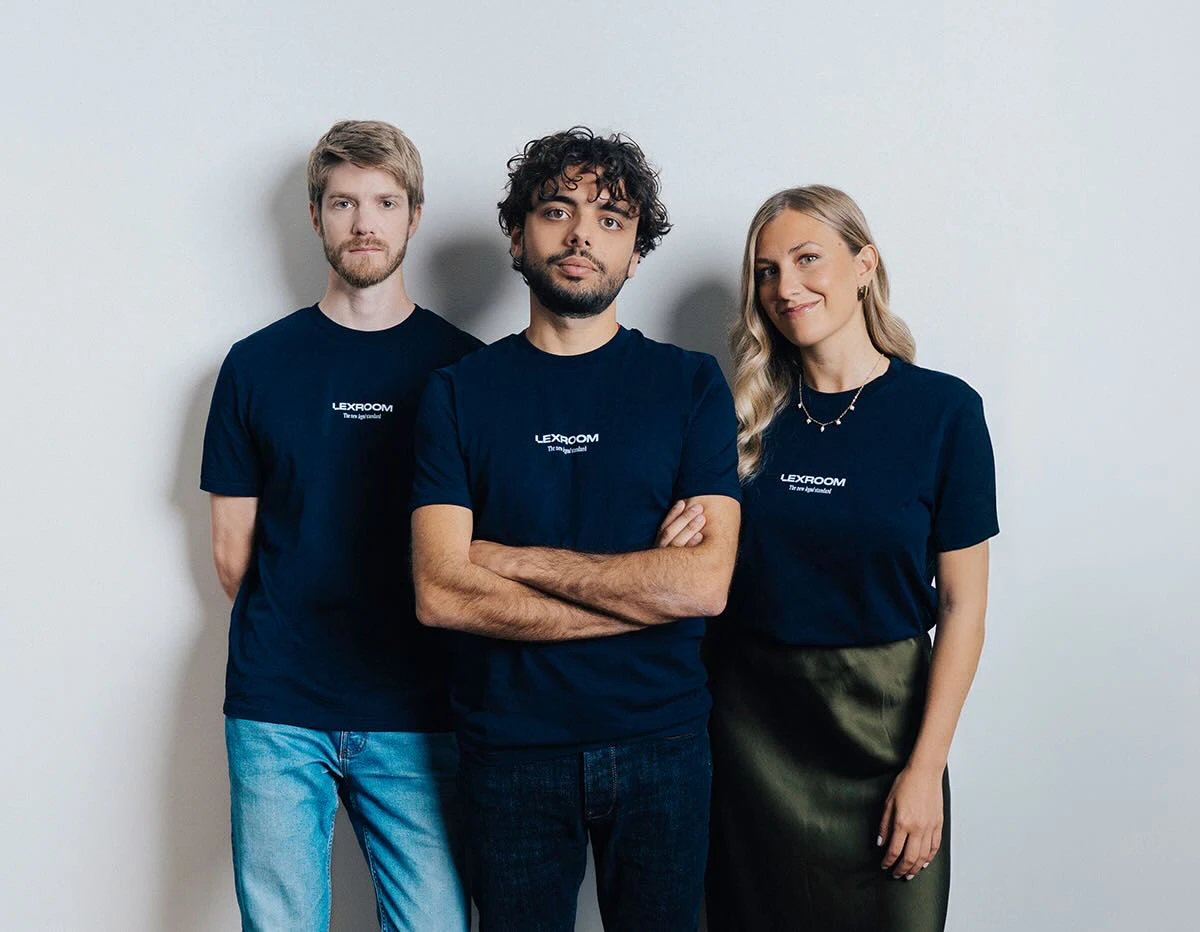
According to Sifted, Lexroom founder Paolo Fois raised $50 million this week, and the article describes him as unconcerned about competition from large foundation-model vendors such as Anthropic and OpenAI. Sifted frames this comment inside the wider industry debate over whether application-focused start-ups can survive as model providers expand into vertical use cases. The piece reports that Fois argued for the continued relevance of vertical specialisation as a source of differentiation against general-purpose models. The article places Lexroom's fundraising and the CEO's remarks within investor and market conversations about the relationship between foundation models and niche AI vendors.
What happened
According to Sifted, Lexroom founder Paolo Fois raised $50 million this week. The Sifted article reports that the piece positions Fois as unconcerned about competition from large foundation-model companies such as Anthropic and OpenAI, and situates his comments in the ongoing public debate over whether model providers moving into verticals will displace specialised application startups.
Editorial analysis - technical context
Companies building vertical AI products typically rely on domain-specific training data, bespoke prompt engineering, and deep integration with customer workflows. Industry-pattern observations: these capabilities create technical and operational levers, including labelled in-domain datasets, custom evaluation metrics, and closed-loop feedback, that differ from the general-purpose strengths of large foundation models.
Industry context
For practitioners, the tension described in Sifted reflects two competing trends: foundation-model providers scaling base capabilities and startups specialising on vertical workflows and compliance. Industry observers note that foundation models lower the cost of baseline functionality, while vertical vendors often capture value through dataset curation, proprietary connectors, and feature engineering tailored to regulated or workflow-heavy domains.
What to watch
Indicators that will clarify the balance between foundation models and vertical AI include enterprise contract wins for specialised vendors, foundation-model feature releases targeted at specific industries, partnerships between model providers and vertical software vendors, and follow-on funding rounds. Observers should track whether product differentiation from domain data and integrations continues to drive customer retention and pricing power.
Limitations of reporting
The Sifted article reports Fois's stance and the funding amount; it does not provide verbatim long-form quotes that explain Lexroom's product roadmap or specific technical choices. The article therefore shows the public position and market context, not the company's internal strategy or roadmap.
Key Points
- 1Lexroom closed a $50 million round, signalling investor interest in vertical AI despite foundation-model expansion.
- 2Vertical AI vendors rely on domain data, custom workflows, and integrations to differentiate from general-purpose models.
- 3Practitioners should monitor partnerships, vertical-specific model features, and enterprise retention as indicators of competitive balance.
Scoring Rationale
The story combines a notable $50 million funding event with CEO commentary that feeds a broader industry debate over foundation models versus vertical specialists. It is relevant to practitioners tracking funding, go-to-market dynamics, and product differentiation, but it is not a frontier-model or regulation story.
Sources
Public references used for this report.
Practice interview problems based on real data
1,625 SQL & Python problems across 15 industry datasets — the exact type of data you work with.
Try 250 free problems