Kuo: Gemini Could Cap Apple's AI Ambitions
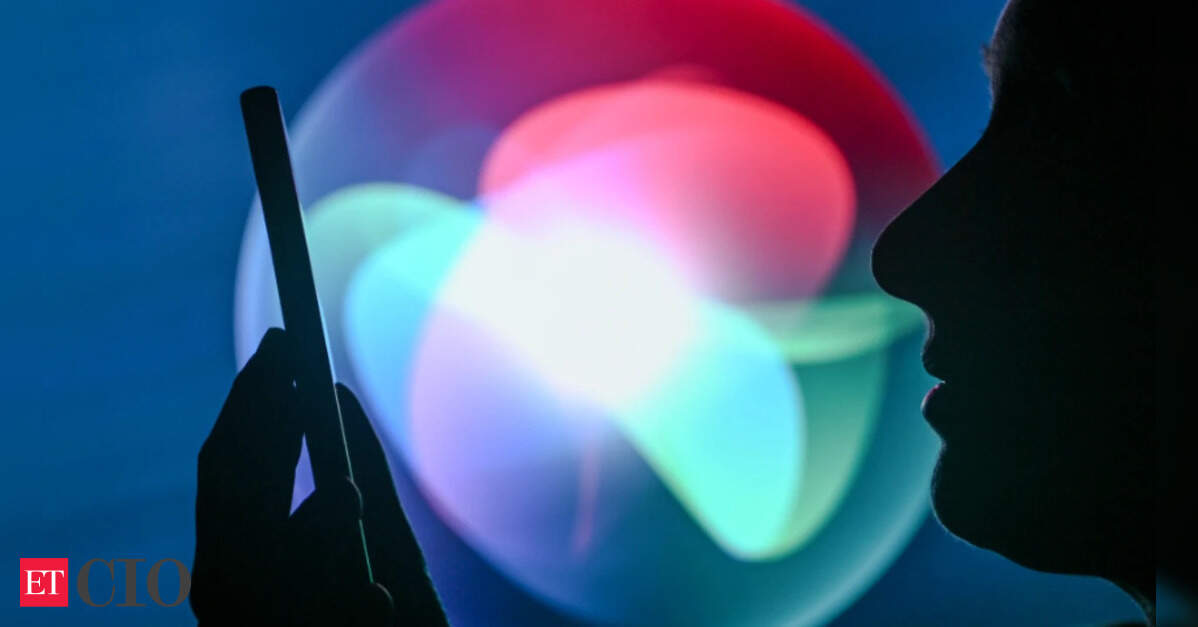
MacRumors and AppleInsider report that analyst Ming-Chi Kuo frames Apple's WWDC as a test of whether Apple can deliver better AI experiences than Google while relying on the same Gemini foundation models, which Apple is using to underpin a revamped Siri and Apple Intelligence features. Per Kuo, if Apple cannot outcompete Google using a model it does not control, that dependence could set a ceiling on Apple's AI upside. MacRumors reports Kuo expects the WWDC announcements to have little bearing on Apple's stock direction in the second half of 2026, with supply-chain checks pointing to steady business momentum through year-end. Coverage notes Apple's potential edge lies in on-device inference enabled by its custom silicon, where integration and latency - not raw model access - determine the experience.
What happened
MacRumors and AppleInsider report that analyst Ming-Chi Kuo frames Apple's WWDC as a test of whether Apple can deliver better AI experiences than Google while using the same Gemini foundation models. Apple is using Gemini to help power a revamped Siri and new Apple Intelligence features. Per Kuo, Apple's supply-chain momentum should stay strong through year-end, and he expects the WWDC announcements to have limited impact on Apple's share-price direction in the second half of 2026.
Editorial analysis - technical context
When two platform vendors ship features on the same third-party foundation model, differentiation moves to systems integration, latency optimization, model tuning, prompt and agent design, and hardware-software co-design. On-device and hybrid device-cloud inference can reduce latency and privacy exposure, but typically require model compression, quantization, or specialized accelerators to be cost-effective. Apple's custom silicon is the most-cited potential advantage.
Why it matters
Kuo's framing makes the strategic risk explicit: if Apple cannot outperform Google on a shared model, its AI ceiling is partly set by a system it does not control. The user-experience gap then depends on runtime characteristics, customization layers, developer tooling, and data flows rather than the base model.
What to watch
Monitor WWDC demos for measurable latency or offline-capable features, disclosures about model customization or instruction-tuning, developer APIs for agents and workflows, and concrete claims about on-device versus cloud processing. Compare delivered features against contemporaneous Google Gemini integrations.
Key Points
- 1Kuo argues that Apple and Google running the same Gemini models shifts differentiation to integration, latency, on-device inference, and UX engineering (per MacRumors/AppleInsider).
- 2Relying on a model Apple does not control could cap its AI upside if it cannot beat Google on the same foundation.
- 3Kuo expects WWDC to have limited impact on Apple's H2 2026 share-price direction, citing steady supply-chain momentum.
Scoring Rationale
Well-corroborated analyst commentary (Kuo, via MacRumors and AppleInsider) framing Apple's reliance on Google's Gemini as a potential ceiling on its AI strategy. It is strategically interesting for practitioners weighing on-device versus cloud trade-offs, but it is opinion and prediction rather than a product, model, or confirmed outcome.
Sources
Public references used for this report.
Practice interview problems based on real data
1,625 SQL & Python problems across 15 industry datasets — the exact type of data you work with.
Try 250 free problems