Kinney Drugs' AI Refill Assistant Draws Accuracy and Privacy Complaints
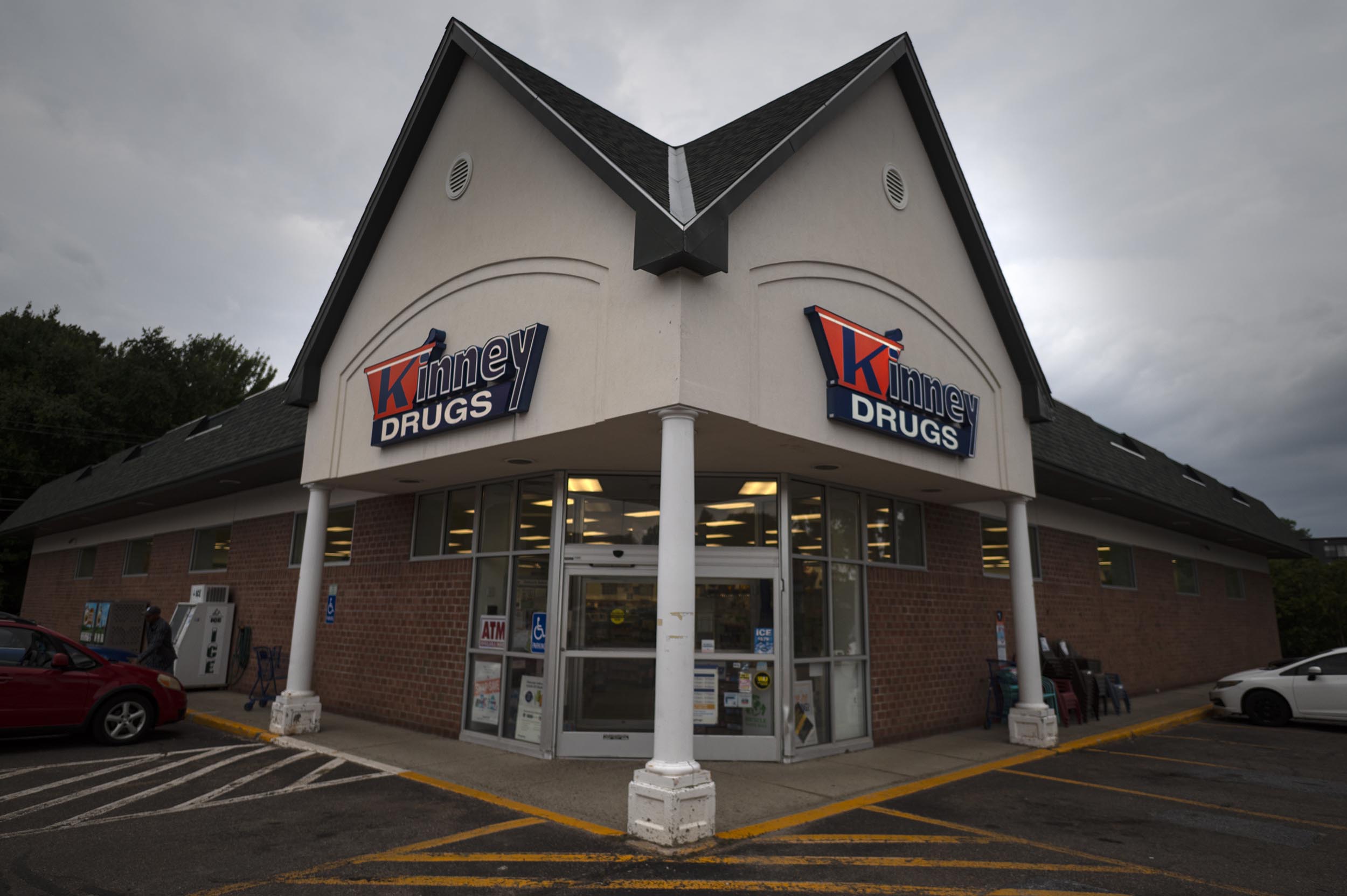
VTDigger reported July 29 that nearly a dozen Kinney Drugs customers in Vermont and New York linked the pharmacy chain's Burt AI assistant to delayed refills, incorrect dosage requests, missing account information and unclear notifications after a May rollout. Kinney says it is reviewing complaints; its own terms warn Burt's outputs may be inaccurate and that interactions may contain protected health information, while its privacy notice says PHI may be used in AI tools subject to safeguards.
VTDigger reported on July 29 that nearly a dozen Kinney Drugs customers in Vermont and New York had experienced problems after the pharmacy chain introduced an AI assistant for refill calls and patient communications in May. The reported issues included delayed processing, missing customer accounts, incorrect dosage requests and failures to notify people when prescriptions were ready.
The assistant, named Burt, was built by pharmacy-AI vendor Synerio. Kinney Drugs told VTDigger that it was aware some patients had been frustrated during the rollout, was reviewing the concerns and was trying to contact each affected patient. The customer accounts are reported allegations rather than independently adjudicated findings.
What Kinney's own documents say
Kinney's official communications terms describe Burt as an AI-powered assistant for prescription notifications, refill reminders and other pharmacy tasks. The terms, edited May 12, say Burt is not a replacement for pharmacist advice and warn that its responses may be inaccurate, incomplete, out of date or misleading. They also say calls and texts may include protected health information, that interactions can be recorded or transcribed, and that inputs may be used to train and improve Burt subject to applicable law.
The same terms say receiving Burt communications is not required to obtain prescriptions or other services and provide opt-out methods. That qualification matters because VTDigger reported that some customers did not understand the assistant had been introduced until they encountered it during a refill call.
The privacy question
Kinney's privacy notice says the company may use protected health information in AI tools and models for treatment, care and operations, with safeguards and additional consent when legally required. The notice establishes the company's stated policy; it does not independently verify how every vendor or workflow handles data in practice.
VTDigger reported that Kinney said it maintains security controls and appropriate agreements with vendors. Synerio did not answer the publication's questions. The central unresolved issue is therefore not whether an AI system exists, which Kinney's documents confirm, but whether consent, accuracy controls and escalation to a pharmacist work reliably for patients.
Why this deployment matters
For teams deploying generative AI in regulated workflows, Burt is a concrete warning about the gap between automation metrics and user outcomes. Reducing routine calls is not enough if users cannot tell what medication is being discussed, cannot reach a human when needed or do not understand how their health information is processed.
A defensible rollout needs error monitoring tied to patient outcomes, explicit human handoff, plain-language consent and opt-out paths, and audit logs that can distinguish model output from pharmacy records. Kinney's public documents describe some boundaries, but the customer complaints show why those controls also need to be tested in real use.
Key Points
- 1VTDigger reported that nearly a dozen Kinney Drugs customers linked the May rollout of Burt to refill delays, incorrect dosage requests, missing account information and unclear notifications.
- 2Kinney's own terms warn that Burt may produce inaccurate or misleading output, may process protected health information, and is not a replacement for a pharmacist.
- 3The deployment shows why regulated AI workflows need measurable accuracy controls, explicit human escalation, understandable consent and tested opt-out paths.
Scoring Rationale
The rollout affects prescription access and protected health information across a regional pharmacy chain, making accuracy, consent and human escalation directly consequential. The score is moderated because the adverse incidents are customer reports rather than regulator findings or independently measured system-wide rates.
Sources
Primary source and supporting public references used for this report.
Practice with real Health & Insurance data
90 SQL & Python problems · 15 industry datasets
250 free problems · No credit card
See all Health & Insurance problems