Jeppesen ForeFlight unveils ForeFlight Airflow cockpit engine
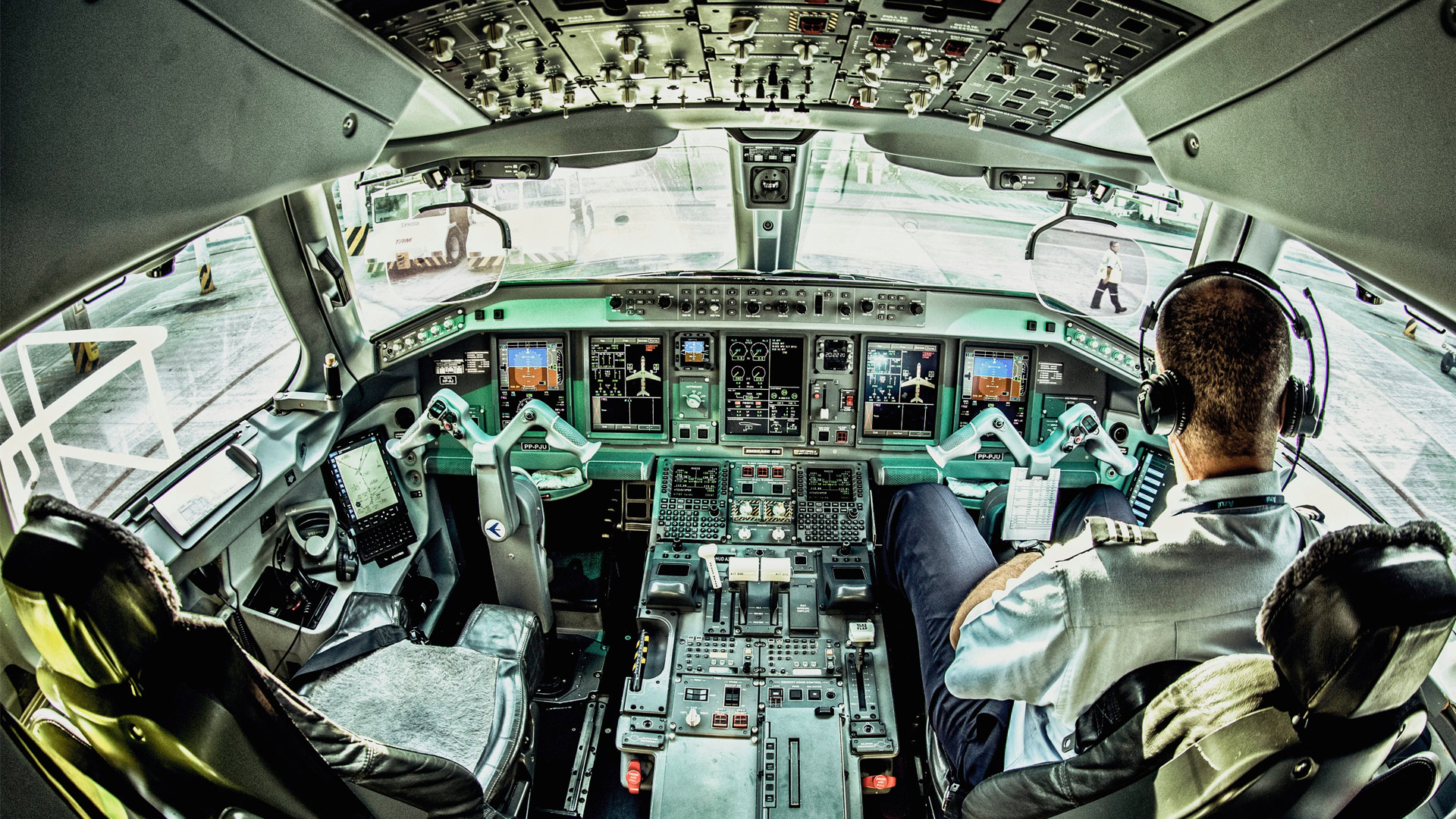
Jeppesen ForeFlight said on July 1, 2026 that ForeFlight Airflow is an aviation-centric AI engine for flight-planning, operations, and cockpit workflows. The company says the system combines commercial data, segregated customer data, domain knowledge, safety frameworks, certification expertise, and contextual reasoning, while Interesting Engineering reported that it is intended to support pilots rather than replace them. For AI practitioners, this is a useful safety-critical deployment pattern: model-agnostic automation is paired with provenance, human control, and a visible reasoning trail. The open question is how much certification, failure-mode testing, and operational validation Jeppesen ForeFlight will disclose as products roll out in 2026.
The useful lesson from ForeFlight Airflow is architectural: safety-critical AI products need provenance, domain constraints, and human-control choices before they need more generic model capability. Aviation is an unforgiving deployment context, so the quality of the governance wrapper matters as much as the model interface.
What happened
Jeppesen ForeFlight announced ForeFlight Airflow on July 1, 2026 as an aviation-centric AI engine for responsible AI across aviation markets. The company says Airflow combines commercially available data, segregated customer data, domain knowledge, safety and certification expertise, and contextual reasoning. Interesting Engineering separately reported the system as a cockpit automation engine intended to support pilot decision-making.
Technical context
The official announcement describes a model-agnostic architecture, customer-controlled adoption, an early ForeFlight AI Connector for OpenAI ChatGPT environments, and planned support for other AI applications. It also emphasizes provenance, a visible why-trail, and operation inside the company's safety management framework.
For practitioners
The pattern is relevant beyond aviation. In regulated or safety-critical systems, teams should separate model choice from data governance, approval paths, traceability, and incident review. A model can produce an answer, but the deployable product needs evidence about where the answer came from and who remains accountable.
What to watch
The next proof points are product availability by aviation segment, certification evidence, customer controls, and independent validation of failure modes. Until those are public, the safest framing is a promising domain-specific AI architecture, not a proven safety standard.
Key Points
- 1Jeppesen ForeFlight says Airflow combines customer data, aviation domain knowledge, safety frameworks, and contextual reasoning.
- 2The safety-critical pattern is provenance, human control, and visible reasoning rather than generic chatbot output.
- 3Adoption will depend on certification evidence, failure-mode testing, and what operators can audit before deployment.
Scoring Rationale
A safety-critical aviation AI product is meaningful for practitioners studying provenance, governance, and model-agnostic deployment patterns. It remains a single-company launch with limited independent validation, so the impact is notable rather than major.
Sources
Public references used for this report.
Practice interview problems based on real data
1,625 SQL & Python problems across 15 industry datasets — the exact type of data you work with.
Try 250 free problems