Israel approves national AI strategy, prioritizes talent and compute

The Israeli government on May 17, 2026 unanimously approved Prime Minister Benjamin Netanyahu's preliminary work plan for the National Artificial Intelligence Directorate, according to JNS. The directorate, led by Brig.-Gen. (res.) Erez Askal, was established Oct. 12, 2025, per JNS. The approved work plan emphasizes three pillars: deepening human capital (including attracting expatriates), expanding access to advanced compute (making 5,000 of the most advanced model GPUs accessible each year for six years, 2027-2032, per JNS), and creating acceleration centers for applied AI. Separately, the Israel Innovation Authority announced a national AI supercomputer and the allocation of 1,000 Nvidia B200 accelerators, with 70% earmarked for hi-tech companies and 30% for academic researchers, according to The Jerusalem Post. The Prime Minister's Office called the move "a strategic move designed to ensure Israel's technological superiority," per JNS.
What happened
The Israeli government on May 17, 2026 unanimously approved Prime Minister Benjamin Netanyahu's preliminary work plan for the National Artificial Intelligence Directorate, according to JNS. The directorate, led by Brig.-Gen. (res.) Erez Askal, was established on Oct. 12, 2025, per JNS. The approved plan targets three areas: academic and workforce development including attracting expatriates; expanded compute access, specifically making 5,000 of the most advanced model GPUs accessible each year for six years (2027-2032), as reported by JNS; and the establishment of applied acceleration centers to develop AI applications, per JNS. The Prime Minister's Office said, "This is a strategic move designed to ensure Israel's technological superiority, accelerate development in the field of AI, and maintain Israel's position in the first line of world powers," quoted by JNS.
Technical details
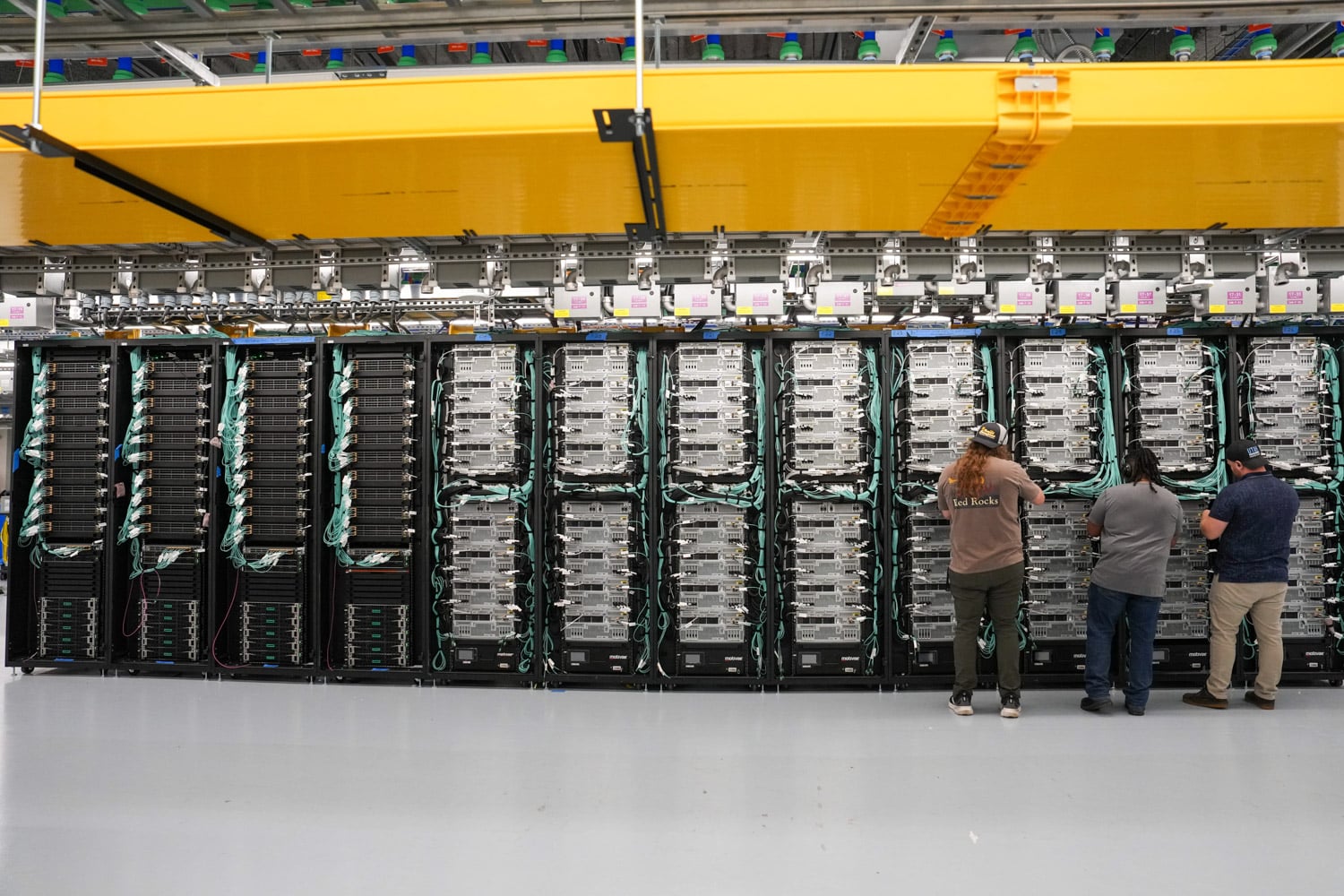
Reporting by The Jerusalem Post documents that Israel has launched a national AI supercomputer as part of the National Program for AI R&D Infrastructure (Telem Program). The Israel Innovation Authority selected Nebius to establish and operate the infrastructure, which is already live and operational, and will distribute 1,000 Nvidia B200 accelerators over the coming years, with 70% allocated to hi-tech companies and 30% to academic research groups, according to The Jerusalem Post. Dror Bin, CEO of the Israel Innovation Authority, described the launch as a milestone for enabling model training domestically, per The Jerusalem Post.
Industry context
Context and significance
What to watch
Editorial analysis
National programs that combine talent incentives, subsidized compute, and applied incubators typically aim to lower barriers for domestic model training and applied research. Observers of similar national efforts note these levers-workforce repatriation, guaranteed accelerator access, and applied labs-help startups and universities prototype larger models and proof-of-concept deployments without immediate private-capex investment.
For practitioners, the announced compute allocations change the resource landscape: discounted or publicly allocated accelerators reduce the need to secure private cloud spend for early-stage training. Combined with applied acceleration centers, the scheme can shorten time-to-prototype for teams that previously lacked access to large-scale GPUs. The specific figures-5,000 GPUs per year and 1,000 B200 accelerators-make this program materially larger than many university-only compute initiatives reported in recent years.
Observers should monitor:
- •the access model and pricing tiers Nebius publishes for the Telem Program
- •application and allocation schedules for the 1,000 B200 accelerators and the annual 5,000 GPU pool
- •eligibility criteria for the acceleration centers and whether allocations favor startups, larger firms, or academia
- •published usage quotas and technical specs (GPU types, interconnect, memory, and storage) that determine what classes of models can be trained locally. Reporting to date does not include detailed technical SLAs or long-term governance rules for the directorate's budget and resource distribution
Key Points
- 1Israel approved a national AI work plan focusing on talent, compute access, and applied acceleration centers to boost domestic AI capabilities.
- 2The plan includes making 5,000 advanced-model GPUs available annually (2027-2032) and allocating 1,000 Nvidia B200 accelerators across industry and academia.
- 3For practitioners, public compute allocations and incubators can lower early-stage model development costs and speed prototyping, shifting resource planning for startups and universities.
Scoring Rationale
The story materially affects AI practitioners in Israel and international collaborators by changing compute availability and ecosystem support. The announced GPU and accelerator allocations are large enough to enable domestic model training and applied R&D, making this more than a symbolic policy move.
Sources
Public references used for this report.
Practice interview problems based on real data
1,625 SQL & Python problems across 15 industry datasets — the exact type of data you work with.
Try 250 free problems