Indonesia Advocates People-Centered Global AI Governance
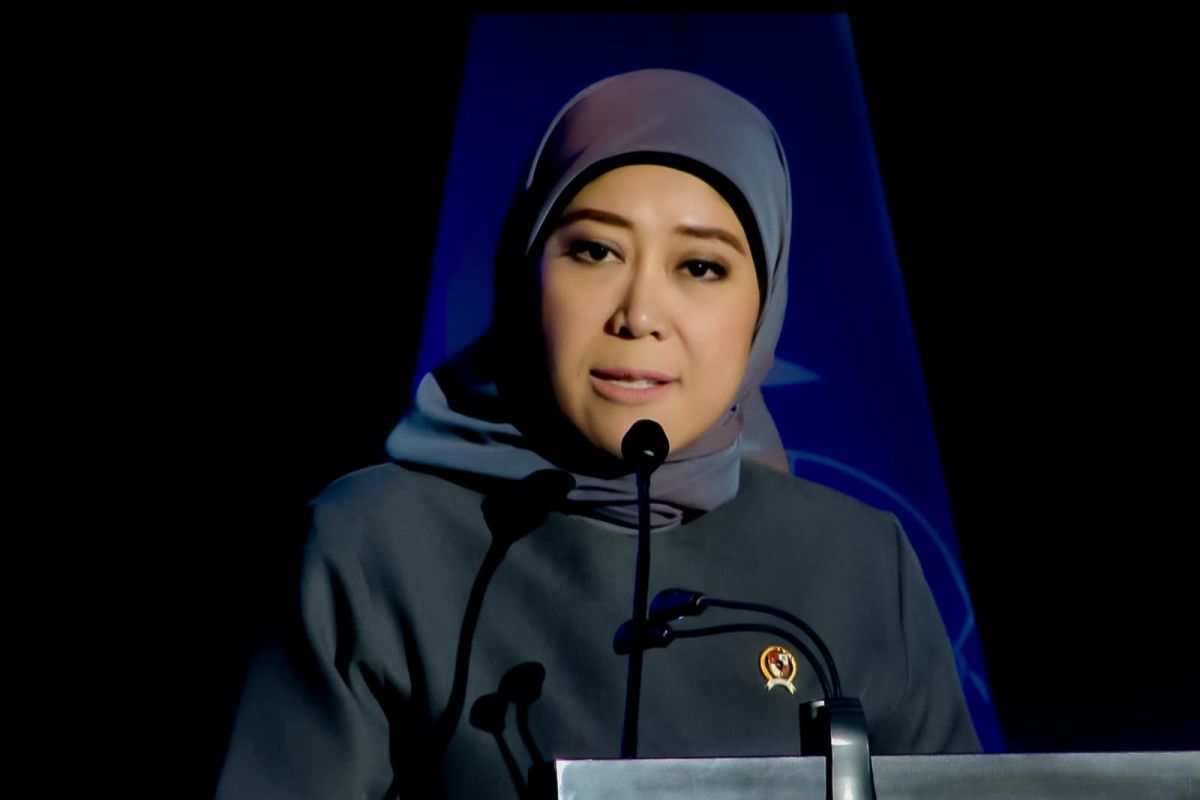
Indonesia urged a people-centered AI governance framework at the first UN Global Dialogue on AI Governance in Geneva on July 7, 2026, according to ANTARA. Minister Meutya Hafid, speaking for President Prabowo Subianto, highlighted Indonesia's child-protection rule PP TUNAS, which restricts high-risk digital-platform access for residents under 16 and was presented as a model for safer AI adoption. The practical signal for builders is that AI governance debates are moving from broad principles into platform obligations: age gating, risk classification, moderation controls, audit-ready records and national roadmaps. UN and UNESCO materials frame the dialogue as a way to give governments, including developing countries, a formal seat in AI rule-setting.
Indonesia's intervention matters because it connects global AI governance to concrete platform controls. For practitioners, the policy signal is that child safety, risk classification and auditability are becoming engineering requirements, not just diplomatic language.
What happened
ANTARA reported that Indonesian Communication and Digital Affairs Minister Meutya Hafid attended the UN Global Dialogue on AI Governance in Geneva on behalf of President Prabowo Subianto on July 7, 2026. She called for inclusive, people-centered global AI governance backed by international cooperation and highlighted Indonesia's Government Regulation No. 17 of 2025, known as PP TUNAS, as a child-protection measure for high-risk digital platforms.
Policy context
UN and UNESCO materials describe the inaugural dialogue as a forum for governments, technology companies, academia, civil society and technical communities to discuss AI governance with every country represented. The UN page says the first Geneva session runs July 6-7, 2026, with a second session planned for New York in May 2027.
For practitioners
The relevant implementation work is likely to sit in identity, safety, data and compliance systems. Age gating, content moderation, high-risk platform classification, data-retention records and human review workflows all become harder when rules differ across countries but products operate globally.
What to watch
Watch Indonesia's planned national AI roadmap and any UN follow-up documents that turn the dialogue into standards, reporting expectations or procurement signals. ANTARA also reported Hafid saying Indonesia handled about five million child accounts in the first five months of PP TUNAS implementation, a scale claim that should be tracked through official follow-up reporting.
Key Points
- 1Indonesia used the UN forum to link global AI governance with concrete child-protection rules for digital platforms.
- 2PP TUNAS points to practical obligations around age gating, high-risk platform classification and child-account handling.
- 3Practitioners should track national AI roadmaps and UN follow-up standards before designing cross-border compliance workflows.
Scoring Rationale
This is a notable AI governance story because Indonesia tied multilateral AI rulemaking to concrete child-protection platform obligations and national-roadmap work. The score stays below major because the event is a policy intervention rather than a binding international rule or finalized technical standard.
Sources
Public references used for this report.
Practice interview problems based on real data
1,625 SQL & Python problems across 15 industry datasets — the exact type of data you work with.
Try 250 free problems