Indian Homemakers Record Chores to Train AI Robots
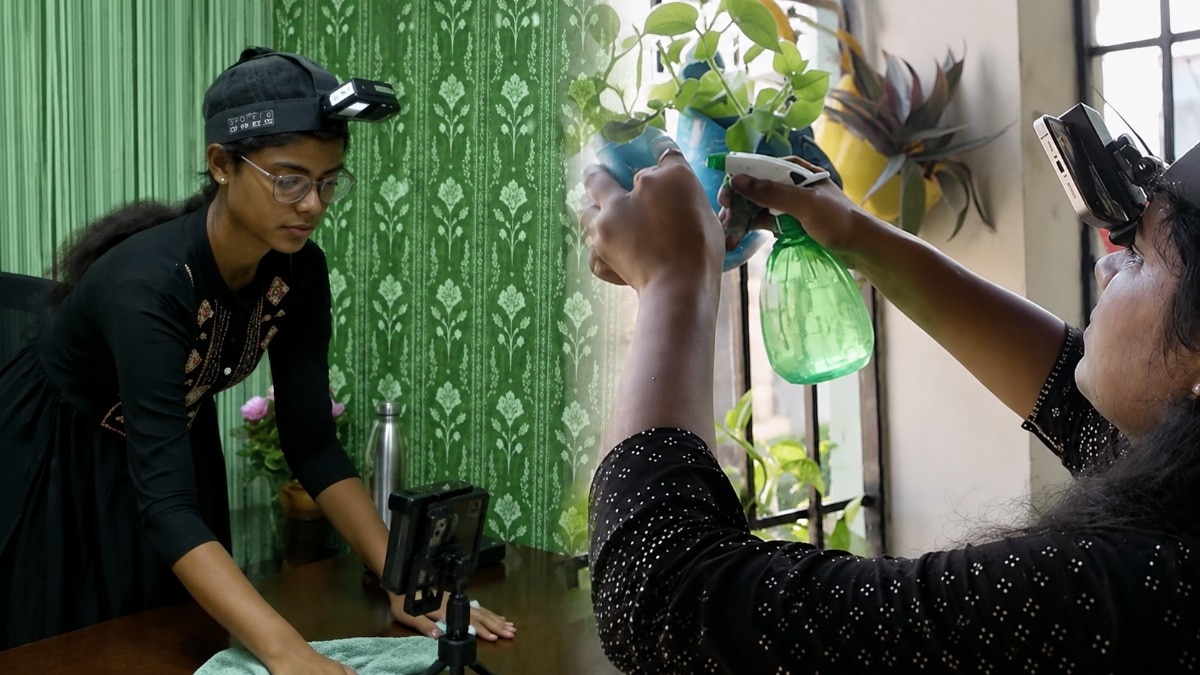
AFP, Deutsche Welle and other outlets report that thousands of Indian homemakers and factory workers are recording first-person, or "egocentric," videos of everyday tasks for AI training. Participants use head-mounted cameras, smart glasses and motion sensors to capture activities such as cooking, folding clothes and making coffee; the footage is supplied to data firms including Objectways, which lists Fortune 500 clients and integrates with Amazon SageMaker (reported by AFP, France24 and Dawn). Reported pay is about Rs 250 per hour, and outlets quoted participants such as Nagireddy Sriramyachandra saying, "Who else will give you 250 rupees an hour just for doing housework?" Coverage highlights both growing demand for real-world robotics data and concerns about automation's impact on India's large informal workforce, which a recent NITI Aayog reference places at roughly 490 million (reported by NDTV).
What happened
AFP, Deutsche Welle (DW), Al Jazeera, France24, Dawn and other outlets report that thousands of Indian homemakers, factory workers and studio-based recorders are producing first-person, or "egocentric," video to train robots. Participants wear head-mounted cameras, smart glasses and motion sensors to capture tasks such as cooking, folding towels, slicing fruit, according to AFP and Al Jazeera. Reported pay is about Rs 250 per hour, and AFP published participant quotes from Nagireddy Sriramyachandra including "Who else will give you 250 rupees an hour just for doing housework?" Several reports identify Objectways, a Tamil Nadu-based AI data company with offices in India and the United States, as a collector of such footage and note the firm's work with Amazon SageMaker (AFP, France24, Dawn).
Technical context
Industry reporting frames this work as the collection of egocentric data, a modality distinct from third-person video because it captures occlusions, hand-object interactions and continuous body motion from the actor's perspective. For practitioners, egocentric datasets improve models for manipulation, action segmentation and imitation learning by providing densely aligned visual and motion signals. Collecting high-quality egocentric data requires device calibration, synchronized motion sensors, consistent annotation or automated labeling pipelines, and careful handling of domain shift between studio and in-home footage. These operational details raise familiar engineering trade-offs: annotation cost versus label fidelity, sensor noise mitigation, and the need for balanced coverage across object types and routines.
Industry context
Public reporting places this trend at the intersection of two forces: increasing demand for real-world data to close the sim-to-real gap in robotics, and platforms that monetize flexible, low-barrier work in regions with large informal labor pools. Several outlets cite projections for rapid growth in humanoid and service robotics demand; for example, news coverage referenced a Morgan Stanley projection of more than one billion humanoid robots by 2050 (France24/AFP). Coverage also invoked policy and labour concerns, with NDTV referencing a NITI Aayog-related point that discussions about AI often overlook India's informal workforce of roughly 490 million.
What to watch
Observers should follow:
- •how dataset licensing and consent practices evolve for egocentric collections, including explicit terms for commercial reuse
- •whether major robotics vendors or cloud ML providers expand purchases or brokerage of such datasets
- •changes in pay rates, worker protections and third-party platform terms that affect the economics of this labor pool
- •technical shifts toward simulator augmentation or synthetic egocentric data generation that could reduce reliance on human-recorded footage. These indicators will matter for data scientists building manipulation and imitation models, for ML ops teams planning ingestion pipelines, and for ethicists tracking consent and privacy in embodied-data collection
Key Points
- 1Egocentric video collection monetizes routine tasks, supplying robotics teams with first-person interaction data that standard datasets lack.
- 2Pay of about Rs 250 per hour creates flexible income but raises labor and consent questions for India's large informal workforce.
- 3For practitioners, egocentric datasets improve manipulation and imitation learning but increase requirements for sensor calibration and annotation pipelines.
Scoring Rationale
Solid multi-outlet story covering a real and growing data collection trend relevant to robotics and imitation learning practitioners. Well-corroborated by AFP wire with regional republication. Not a major model release or research breakthrough; the primary value is the practitioner-relevant context on egocentric data pipelines and labor economics.
Sources
Public references used for this report.
View 6 more sources
- The Indian workers training AI robots to take their jobs - France 24france24.com
- The Indian workers training AI robots to take their jobsuk.finance.yahoo.com
- Indian Workers Get Rs 250 an Hour to Teach AI Robots That Will Replace Themnewsgram.com
- The Indian workers training AI robots to take their jobs | TCEtce.exchange
- The Indian workers training AI robots to do their jobs | The Starmagzter.com
- India's AI Trainers Teach Robots the Skills That May Replace Themmillichronicle.com
Practice interview problems based on real data
1,625 SQL & Python problems across 15 industry datasets — the exact type of data you work with.
Try 250 free problems