Chrome Canary Tests Gemini Password Change Automation
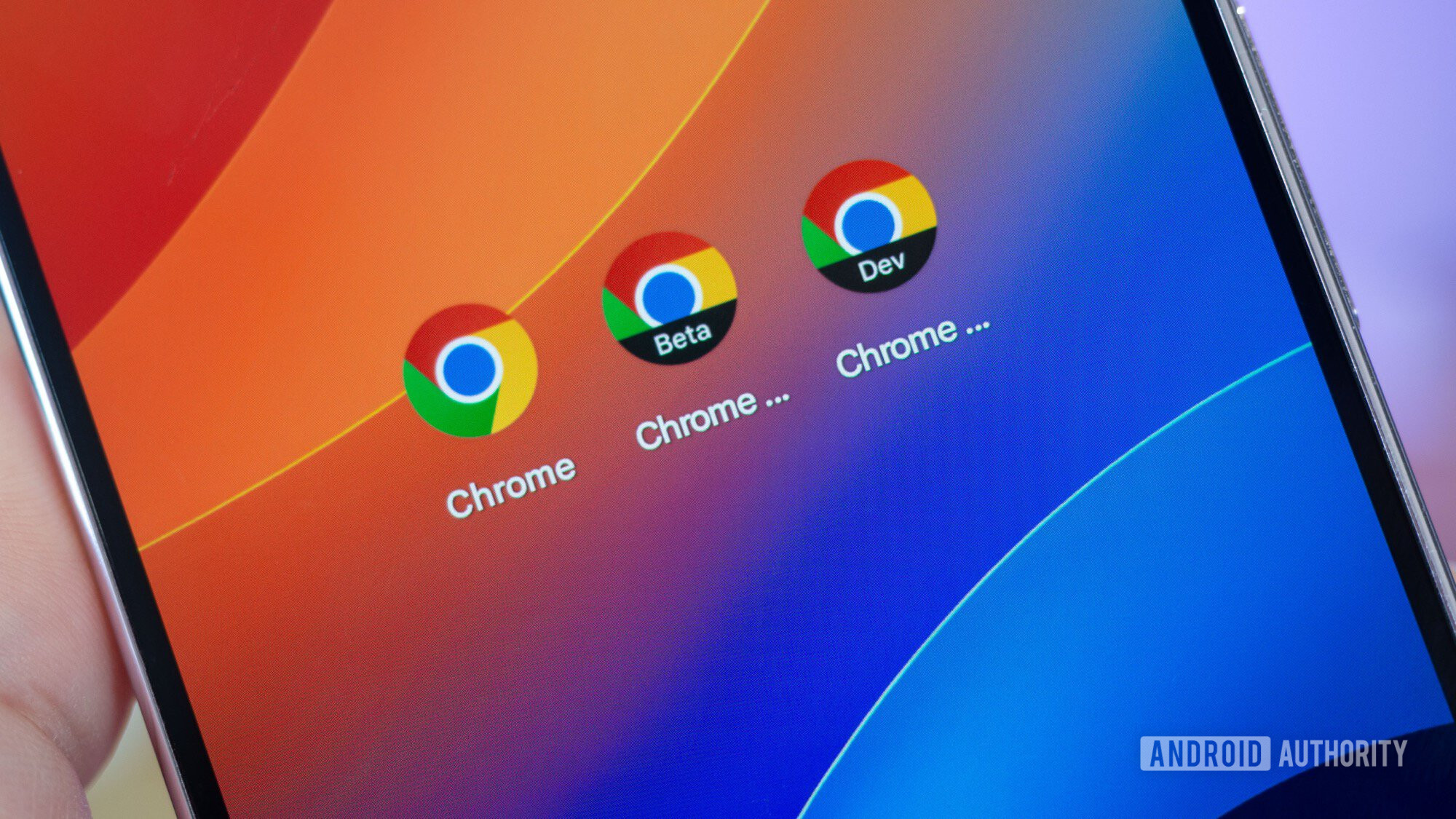
Google's Chrome Canary is testing a Gemini-powered "Change it for me" option for weak and reused passwords as of August 13, 2026. The desktop experiment, hidden behind a "Password change with Glic" flag, failed to update a password in Android Authority's Windows 11 test. The feature builds on Chrome's existing automated password-change support for compromised credentials on supported sites.
Google's Chrome Canary is testing a Gemini-powered option that attempts to change weak and reused passwords from Google Password Manager, according to Android Authority. The desktop experiment replaces the usual external "Change password" link with a "Change it for me" control bearing Gemini branding when the hidden "Password change with Glic" flag is enabled.
Android Authority reported that the flag was present in the latest desktop Canary build but not in Chrome Canary for Android at publication. In its Windows 11 test, selecting the new control left the password manager at "Attempting to sign-in..." before it returned an error that the password could not be updated. The feature is therefore an unfinished Canary experiment, not a generally available Chrome capability.
Extending Chrome's existing password workflow
Chrome already supports automated password changes on some websites after it detects a compromised password. Android Authority characterizes the new Canary work as an extension of that workflow to weak and reused credentials. The publication also notes that code references to AI-assisted password tools had appeared in Chromium Gerrit commits in 2024.
Google announced automatic password changes for weak or compromised credentials at Google I/O 2025, The Verge reported. Under that announced workflow, Google Password Manager can prompt a user to fix a detected credential and, on supported websites, generate and update a replacement password. Parisa Tabriz, Chrome's VP and GM, told The Verge that Chrome would not change a bad or compromised password without user consent.
Security and implementation questions
The experiment matters because password managers can identify risky credentials, but correcting them typically requires a site-specific sequence of authentication, password-policy validation, form submission, and confirmation. An automated workflow has to work across inconsistent account-management pages while preserving user approval and avoiding changes to the wrong account.
For security teams, the distinction between compromised, weak, and reused passwords is material. A compromised password is known or suspected to have been exposed, while reuse can create cross-service exposure even where an individual password has not been disclosed. Industry experience with browser-driven automation suggests that reliability depends heavily on each website's account flows, including MFA prompts, anti-automation controls, and password-reset rules.
Chrome's Canary channel is intended for experimental features and is not evidence of a release timetable. The source material does not provide a stable-release timetable for this Gemini-branded interface, identify which websites it would support, or explain how the model-assisted portion of the workflow would operate.
Key Points
- 1Chrome Canary exposes a Gemini-branded password-change control, but Android Authority's test found the experimental workflow failed before updating credentials.
- 2The prototype expands automated remediation from compromised passwords toward weak and reused credentials, which can create cross-service security exposure.
- 3Browser-based credential automation typically depends on site-specific authentication and reset flows, making consent, MFA handling, and reliability central implementation concerns.
Scoring Rationale
The experiment concerns a widely deployed browser and a security-sensitive workflow with potential relevance to password-manager and identity practitioners. Its practical impact remains limited because it is hidden in Canary, fails in reported testing, and has no stated stable-release timetable for this interface.
Sources
Public references used for this report.
Practice interview problems based on real data
1,625 SQL & Python problems across 15 industry datasets — the exact type of data you work with.
Try 250 free problems