Humanoid Robots Show Persistently Lower Productivity In Practice
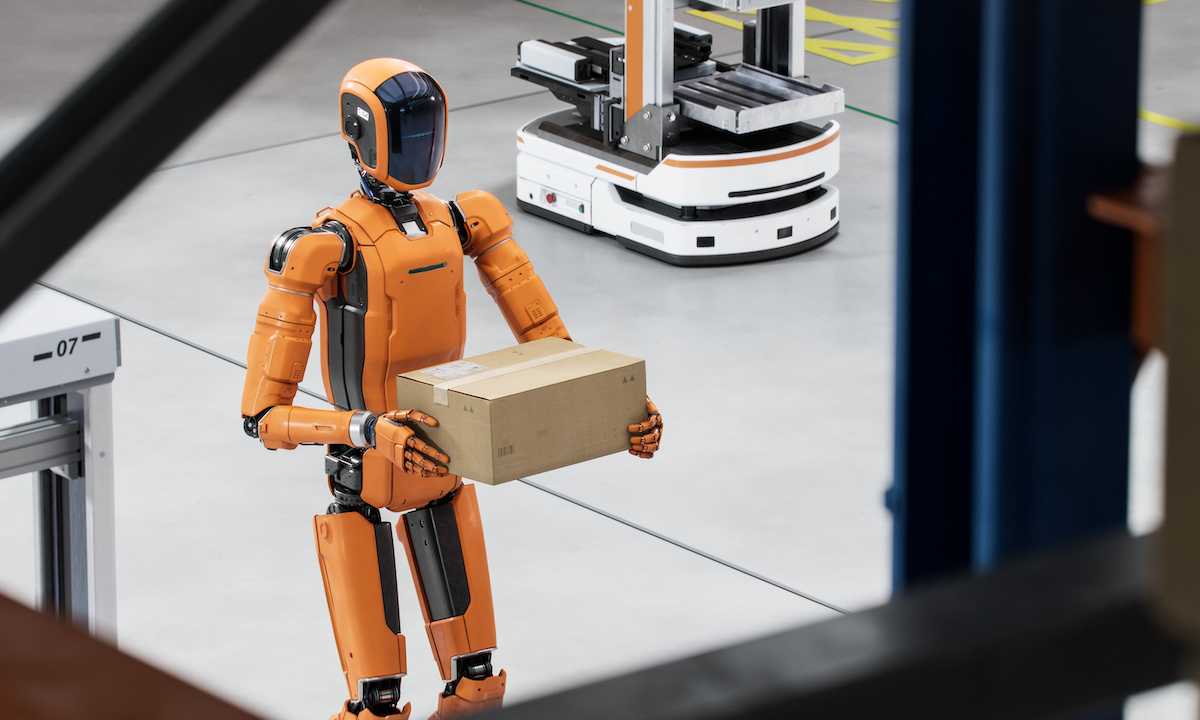
Recent industry research and academic studies report that humanoid robots underperform in real-world settings, operating at less than half the efficiency of human workers in early deployments. Problems stem from physical execution—vision, grasping, locomotion—and the costs of supervision, resets and recalibration. The findings suggest firms achieve measurable productivity only in structured, repetitive tasks such as warehousing, while general-purpose replacement remains a longer-term prospect.
Key Points
- 1Reports show humanoid robots operate at less than half human efficiency in early real-world deployments.
- 2Identifies physical execution limits—vision, grasping, locomotion and edge cases that degrade sustained throughput.
- 3Implies firms should deploy robots in structured, repetitive environments like warehousing while retaining human oversight.
Scoring Rationale
Synthesizes credible industry and academic evidence; limited novelty and incremental findings constrain transformative impact.
Practice interview problems based on real data
1,625 SQL & Python problems across 15 industry datasets — the exact type of data you work with.
Try 250 free problems