Huawei Confirms Camera‑Equipped AI Glasses Launch
What happened
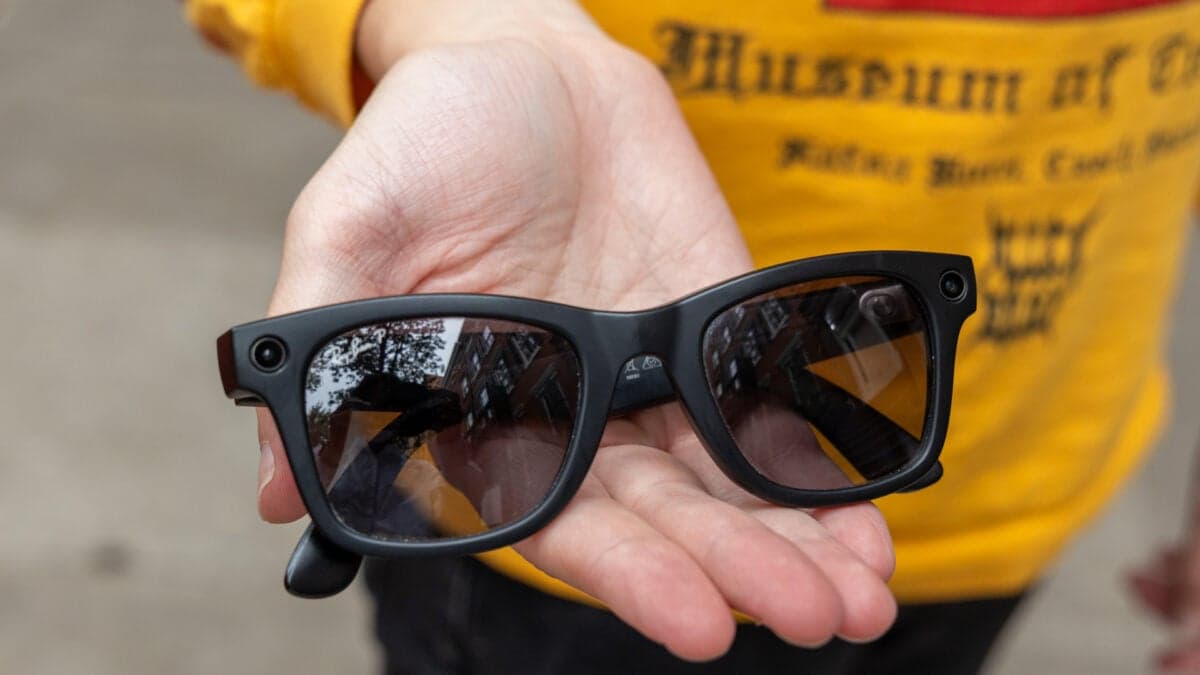
Huawei’s Consumer Business CEO, He Gang, confirmed that the company will ship its first AI glasses with an integrated camera on April 21. Public leaks dating to January and the device’s promotional material indicate the product centers on photography, video capture, translation and computer‑vision features.
Technical context
The device appears to follow the established non‑display smart‑glasses architecture exemplified by Meta’s Ray‑Ban Meta AI glasses and other Chinese smart‑glasses clones. That architecture typically treats the glasses as a sensor and I/O device, offloading compute to a paired smartphone or cloud via Bluetooth/Wi‑Fi while doing lightweight local processing for latency‑sensitive tasks. Core features in existing implementations include camera‑first capture, AI‑assisted translation, object recognition, and short‑form media workflows.
Key details from the source
He Gang provided the release date (April 21) in a company confirmation. Leaked specifications from January suggest photography/video and AI (translation and computer vision) will be central. Like Meta’s non‑display glasses and Meta’s screen‑based models, Huawei’s glasses are expected to integrate primarily through phone tethering rather than being standalone compute platforms. Meta currently does not sell its smart glasses in China, which gives Huawei a clear domestic commercial opportunity.
Why practitioners should care
This announcement isn’t just another consumer gadget — it signals continued convergence of ubiquitous sensing, edge/phone‑assisted inference, and on‑device AI UX patterns that will shape application design and system tradeoffs. Engineers should anticipate standard constraints: limited local compute, power/thermal caps, Bluetooth/Wi‑Fi bandwidth limits, and the need for graceful degradation when connectivity or phone resources are limited. Product teams should plan for privacy controls, consent flows, and optics/ergonomics that affect real‑world data quality and user adoption.
What to watch
Look for technical disclosures about on‑device compute (NPU capabilities), SDKs or APIs for integration with Huawei phones, latency and power benchmarks, and privacy features (LED indicators, permissions, local vs cloud inference). Also monitor whether Huawei differentiates through deeper smartphone integration or unique ML features beyond the current Ray‑Ban Meta playbook.
Scoring Rationale
A major smartphone vendor confirming mainstream AI glasses matters to practitioners because it reinforces an emergent product architecture (camera sensor + phone‑assisted AI) and raises privacy, integration, and inference placement issues. The news is timely and regionally significant but not a fundamental research breakthrough.
Practice interview problems based on real data
1,500+ SQL & Python problems across 15 industry datasets — the exact type of data you work with.
Try 250 free problemsStep-by-step roadmaps from zero to job-ready — curated courses, salary data, and the exact learning order that gets you hired.